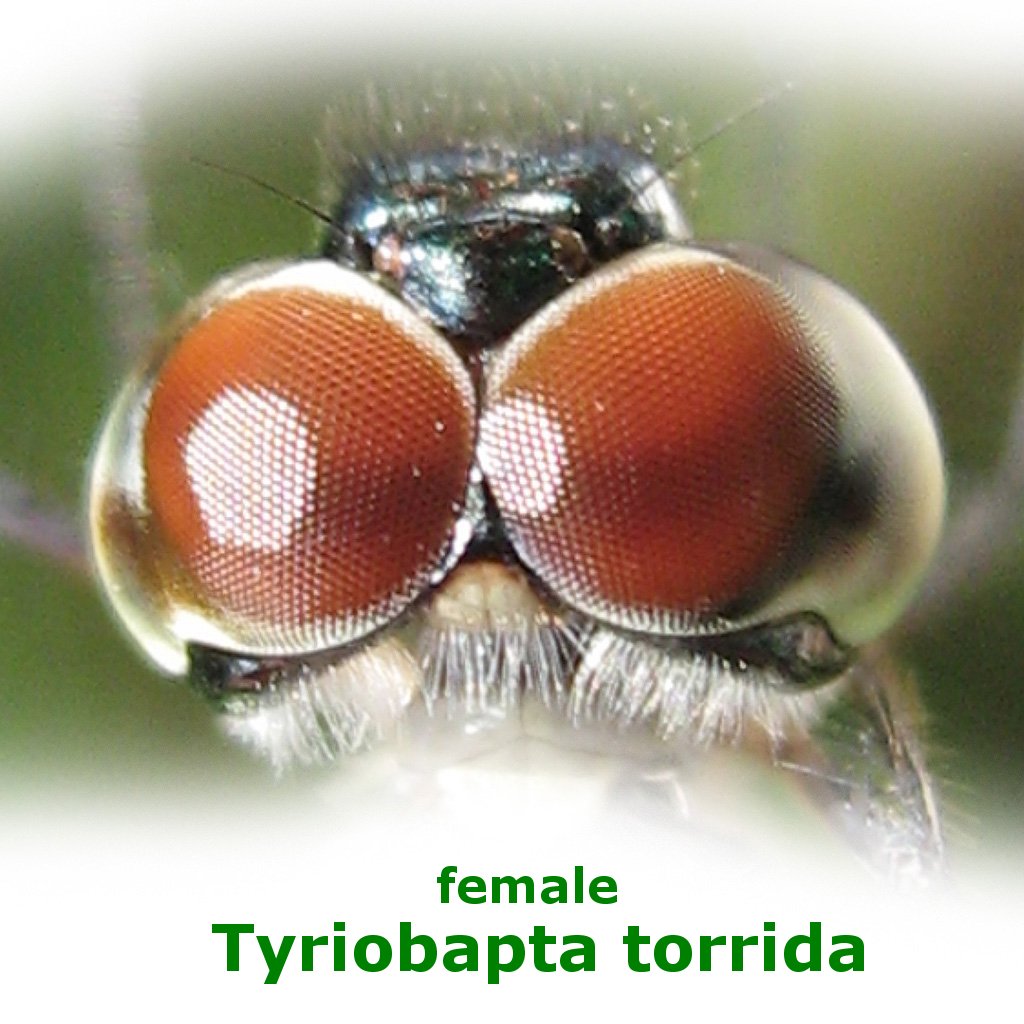
 |
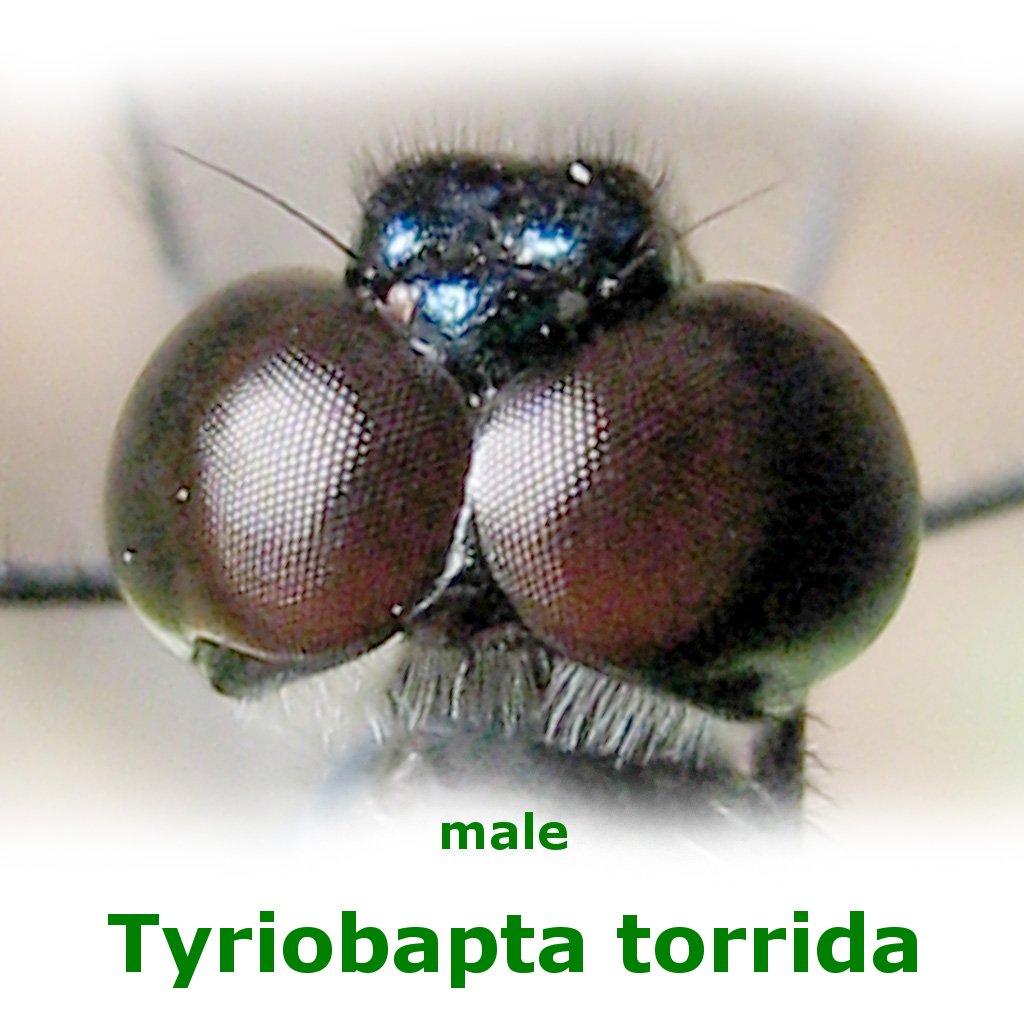 |
|
Female Tyriobapta torrida |
Male Tyriobapta torrida |
Tyriobapta torrida Kirby,
1889
|
||
| Found in Asia: China, Indonesia, Malaysia, Peninsular Malaysia, Thailand | ||
| Sub-Order: ANISOPTERA | Super-Family: LIBELLULOIDEA | Family: LIBELLULIDAE |
|
Among the 3 Tyriobapta species, the most abundant and widespread species is Tyriobapta torrida . It is the largest member of the genus and the males are recognized by the broad, slightly metallic bluish-black area at the base of the hind wings. It is found from the lowlands to about 600 m. Both sexes perch vertically on tree trunks which they defend against all comers, perhaps in order to maintain feeding territories. Tyriobapta torrida are mainly confined to forested swampy areas.Towards the middle of the day it is common to see males racing back and forth over small pools, chasing each other and mating with females as they arrive to oviposit. This pair of Tyriobapta torrida were caught in tandem on 22 August 2007 in National Park of Tawau. Tyriobapta torrida is normally spotted on tree trunk in shady environment. For unknown reason, Tyriobapta torrida likes hugging tree trunks. Even when disturbed, it will hover away only briefly and return just as promptly. The male (displaying a large black patch at the base of both hind-wings) are always found to be gregarious. |
|
|
|
|
Female Tyriobapta torrida |
Male Tyriobapta torrida |
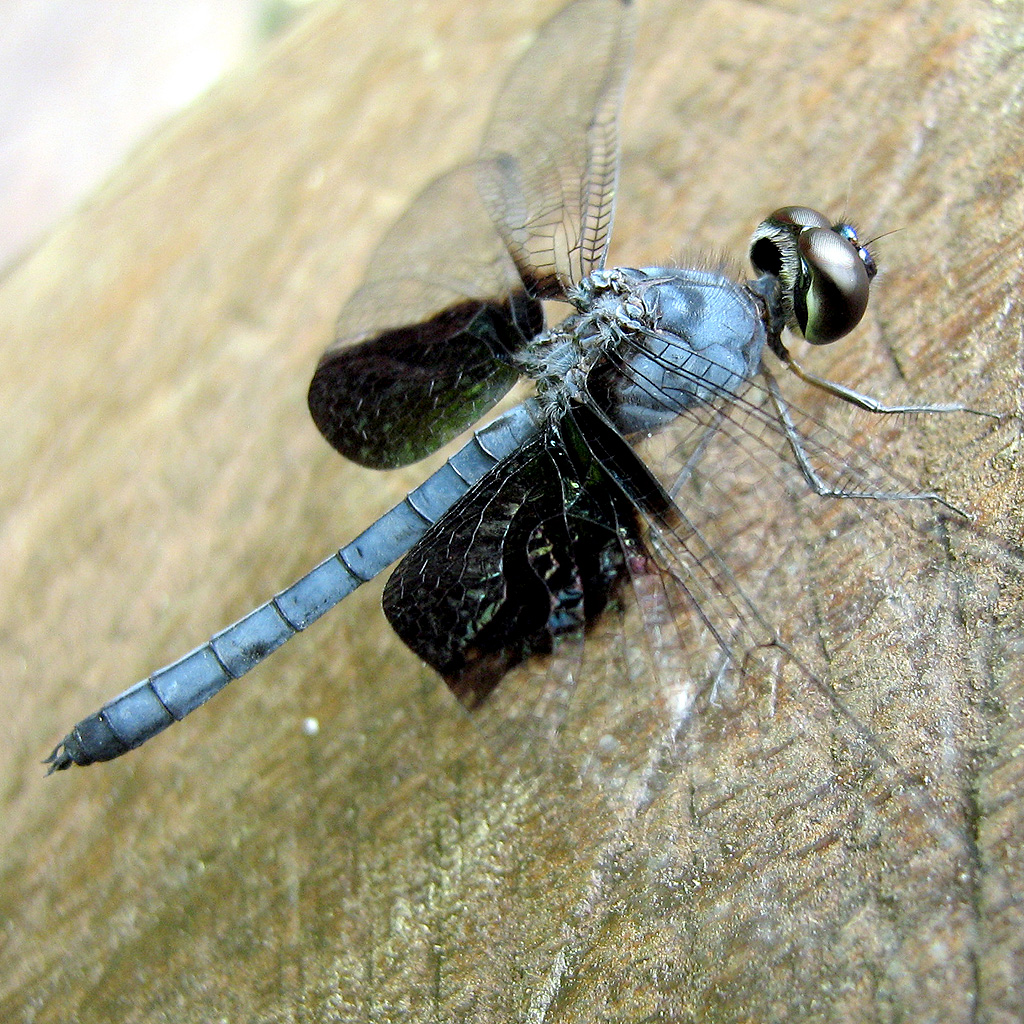 |
Tyriobapta torrida is the most widespread species among the 3 Tyriobapta species in Sabah. . It is found in the lowlands forested swampy areas. |
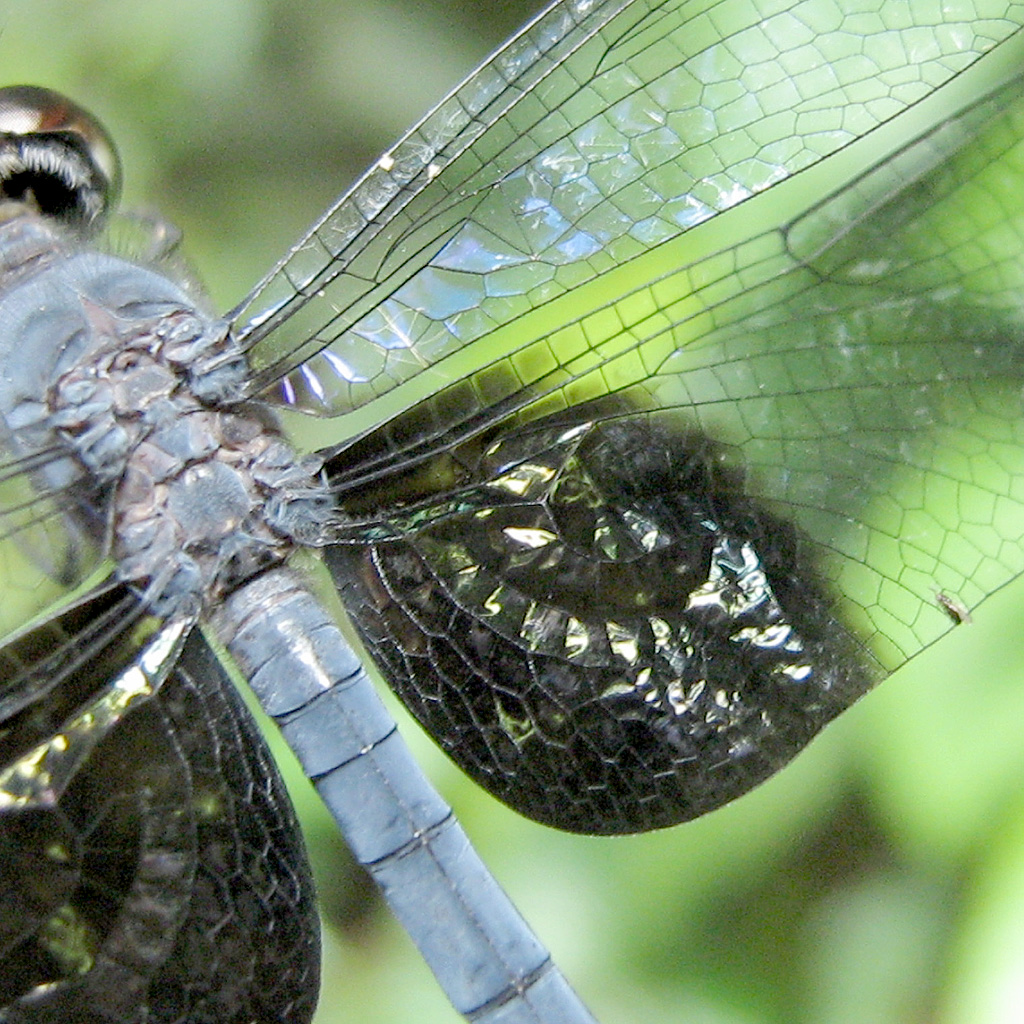 |
The males are easily identified by this broad, slightly metallic bluish-black area at the base of the hind wings |
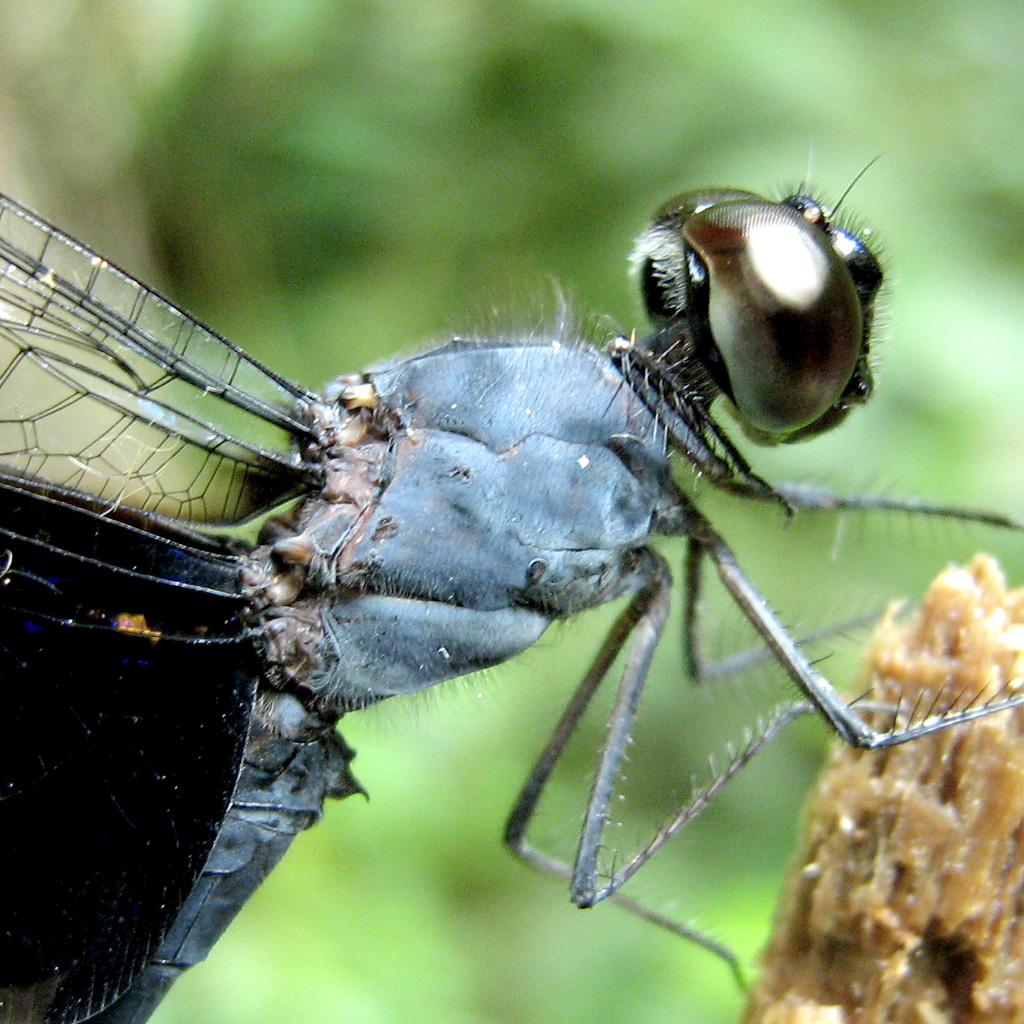 |
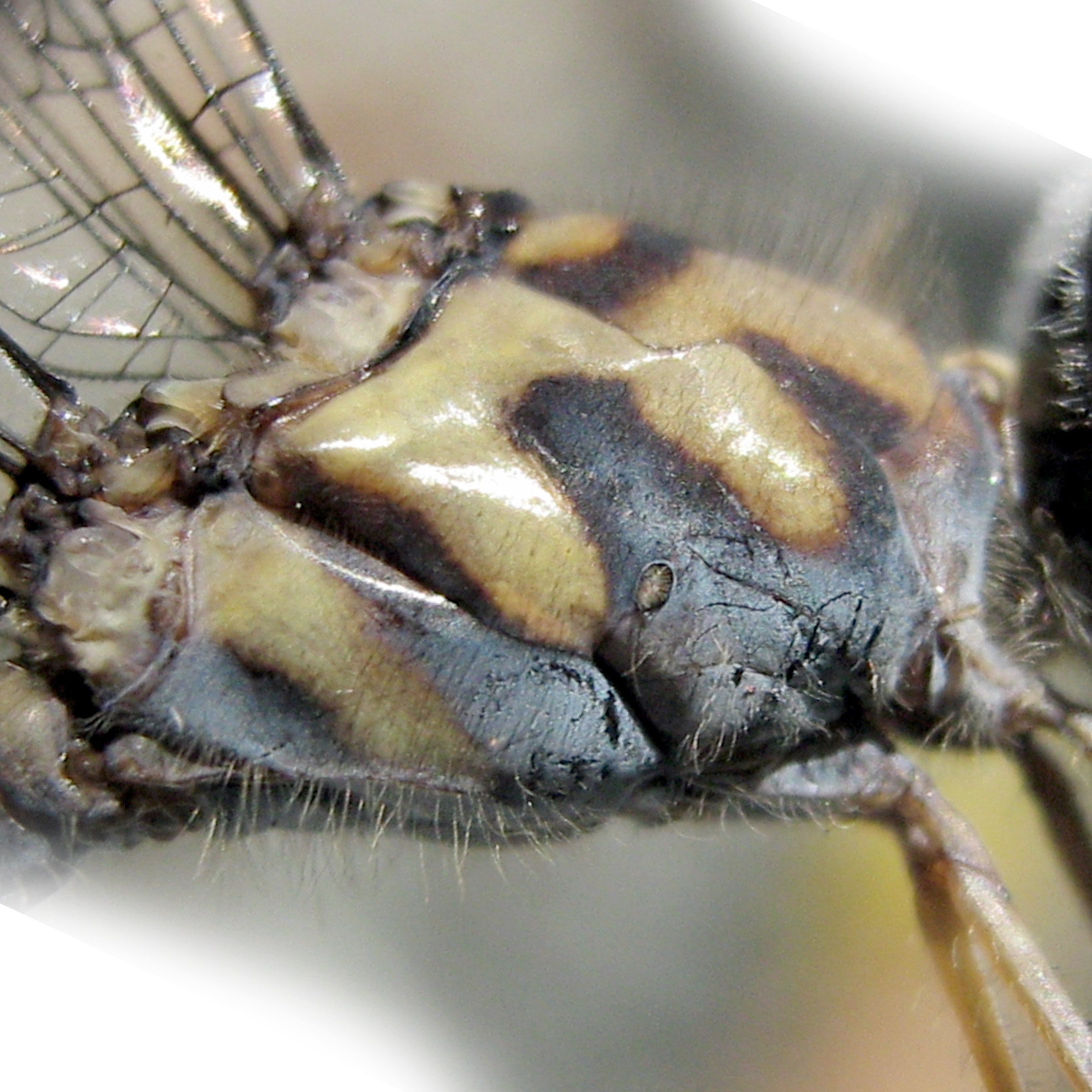
A male Tyriobapta torrida is rather ordinary and dull in color with no unique marking on the thorex. It is only the metallic black area at the hind wings that make it looks attractive. |
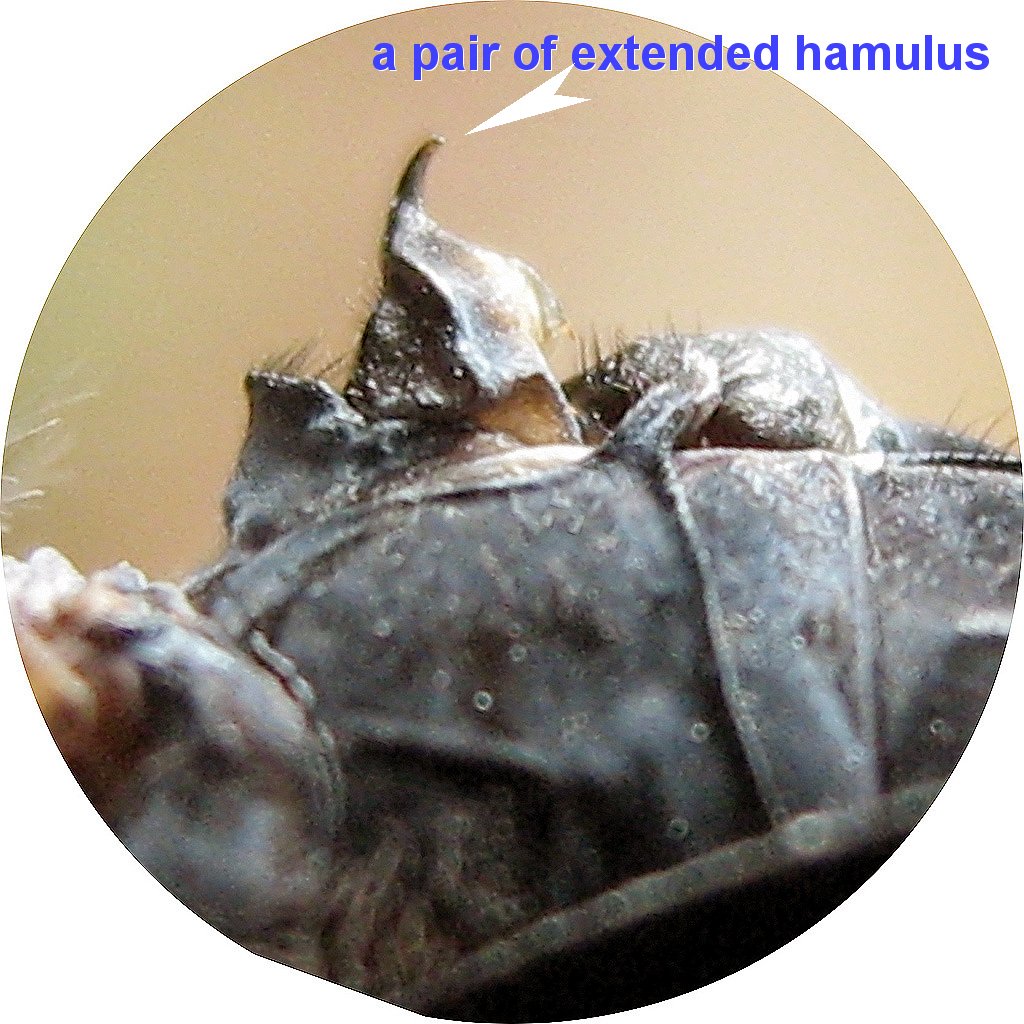 |
Segment 2 of a matured male Tyriobapta torrida with a pair of extended hamulus. |
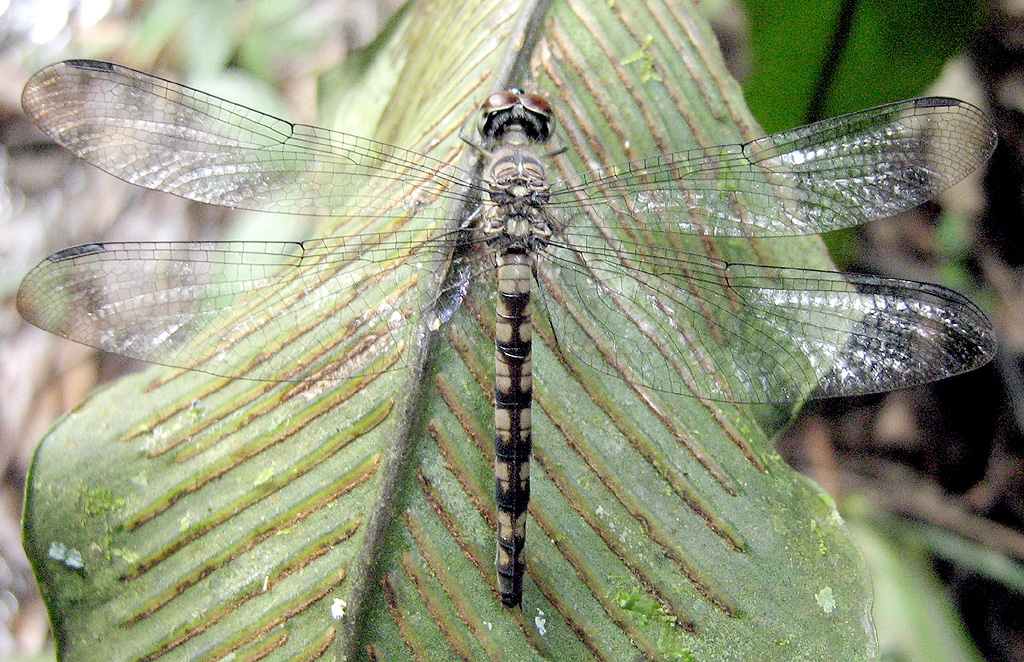
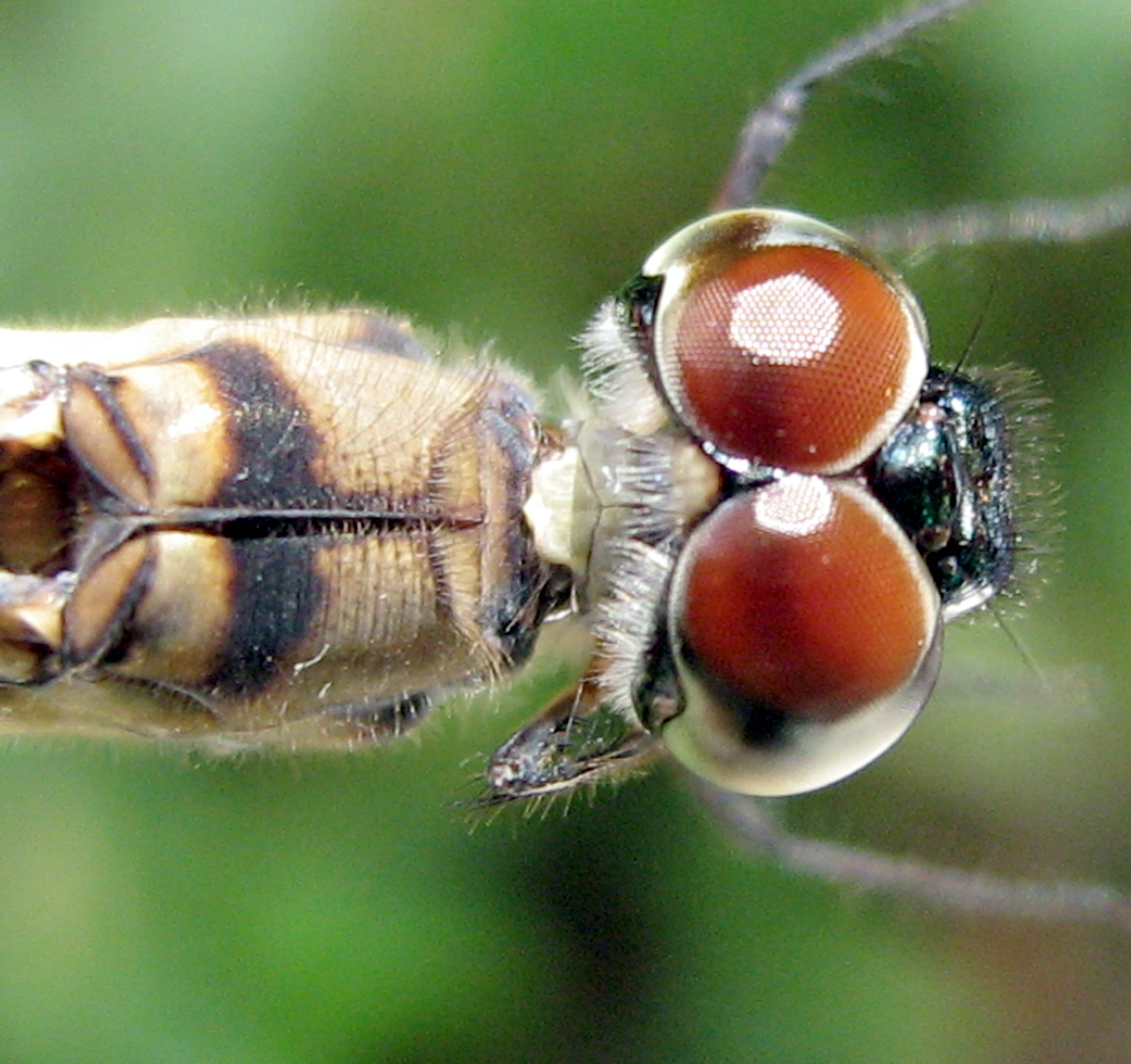
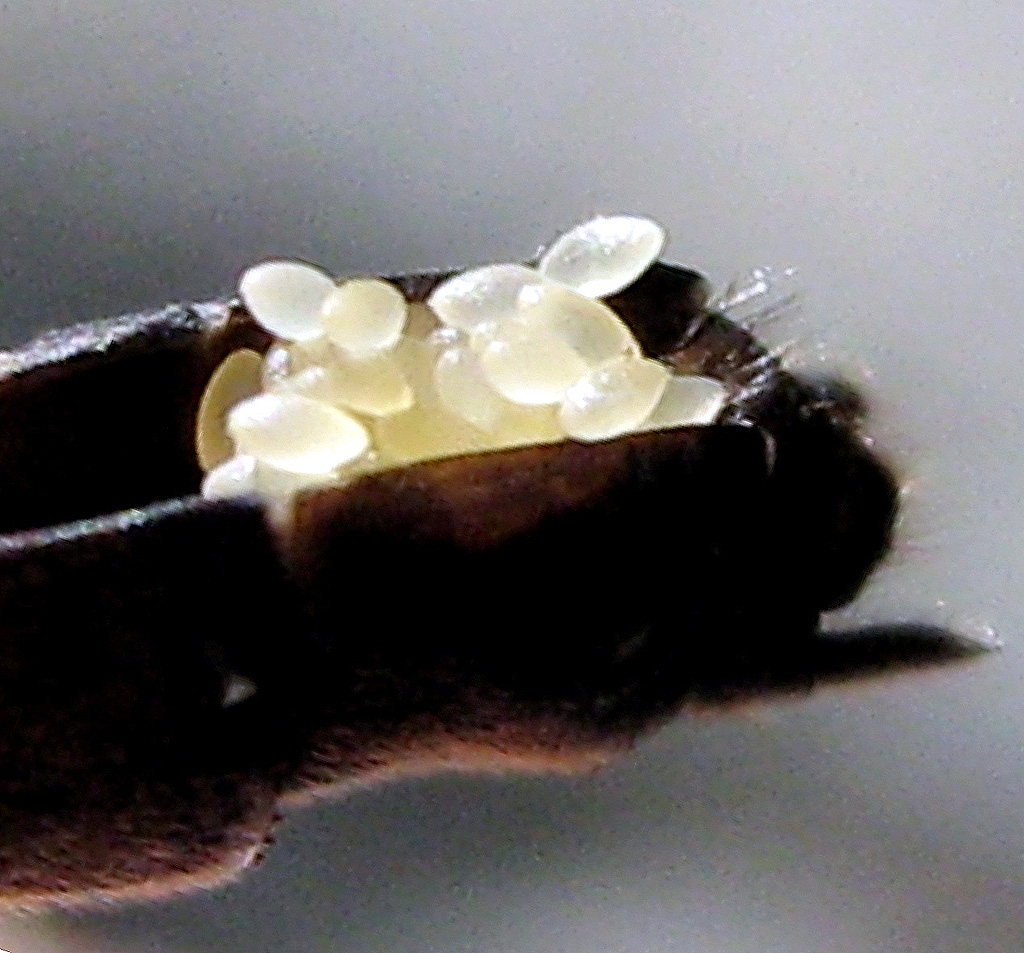
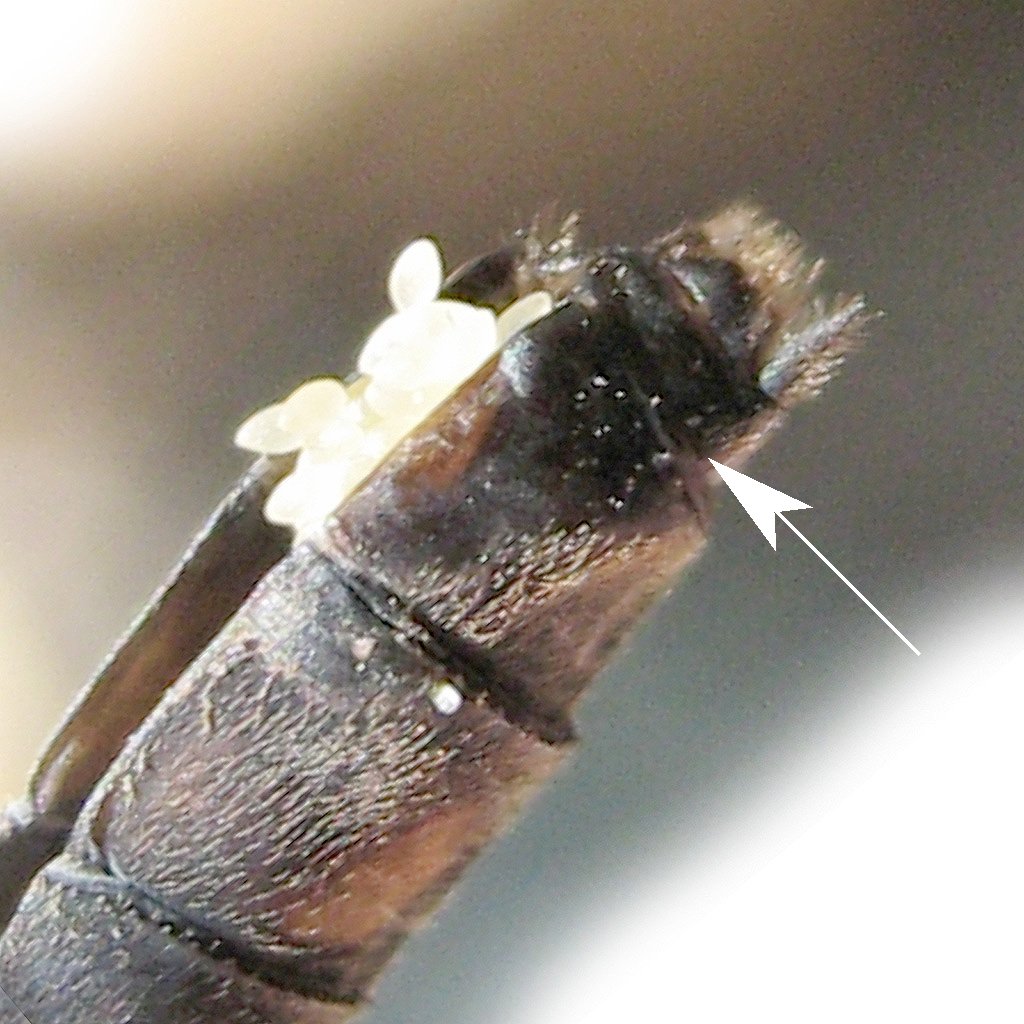
A female Tyriobapta torrida.
This is a medium size dragonfly measuring :
Hind wing span = 64mm
Whole body length = 36mm
 |
|
 |
|
 |
|
 |
|
| Disclaimer: The Dragonflies of Sabah is an educational resource written largely by and for SMK (secondary school) students in Malaysia. TDS doesn't cover all species in Sabah, nor does it include all the latest scientific information. Though we edit our pages for accuracy, we cannot guarantee all information in these pages. While we provide references to books and websites that we believe are reputable, we cannot necessarily endorse the contents of references beyond our control. |