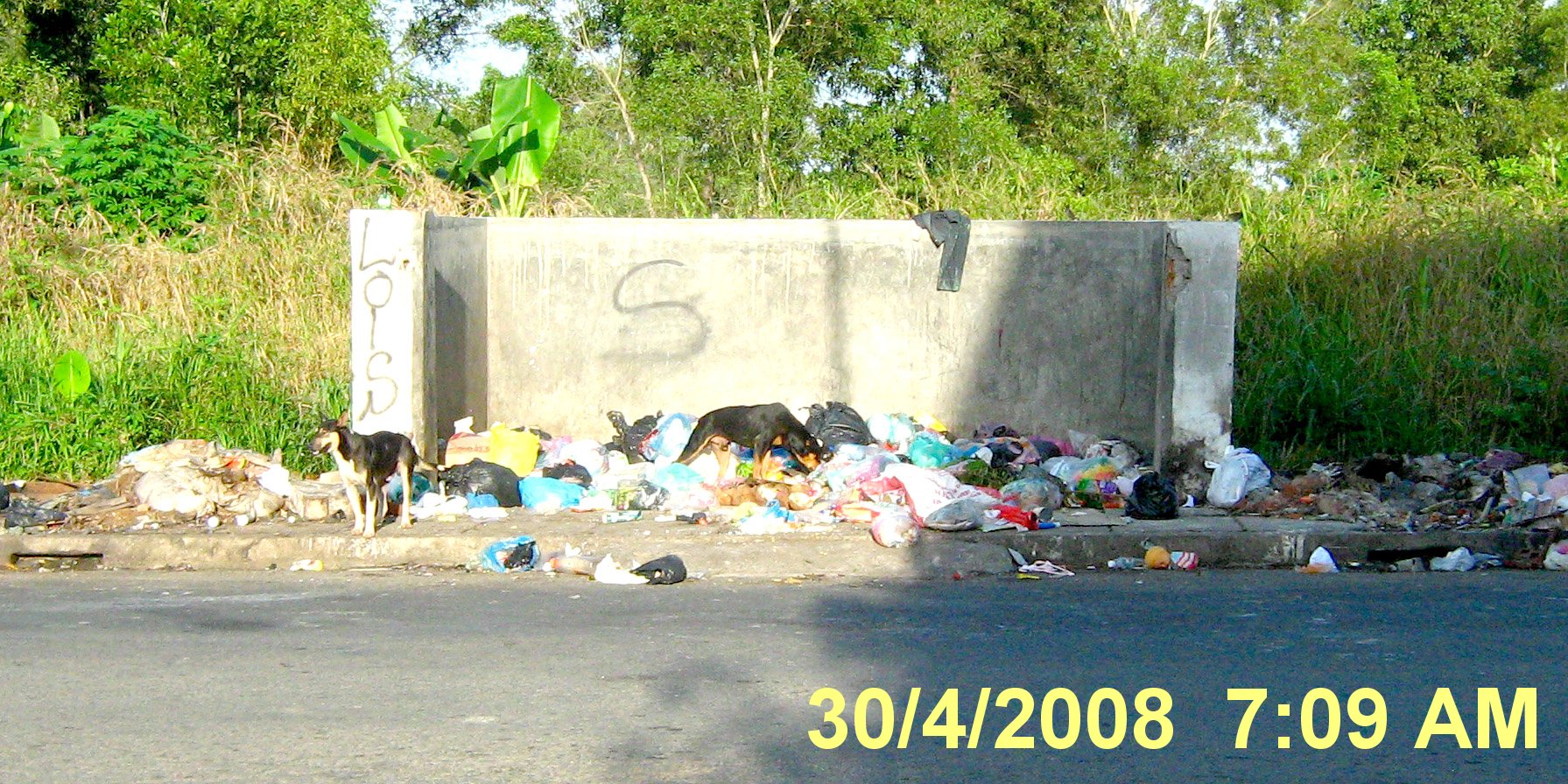
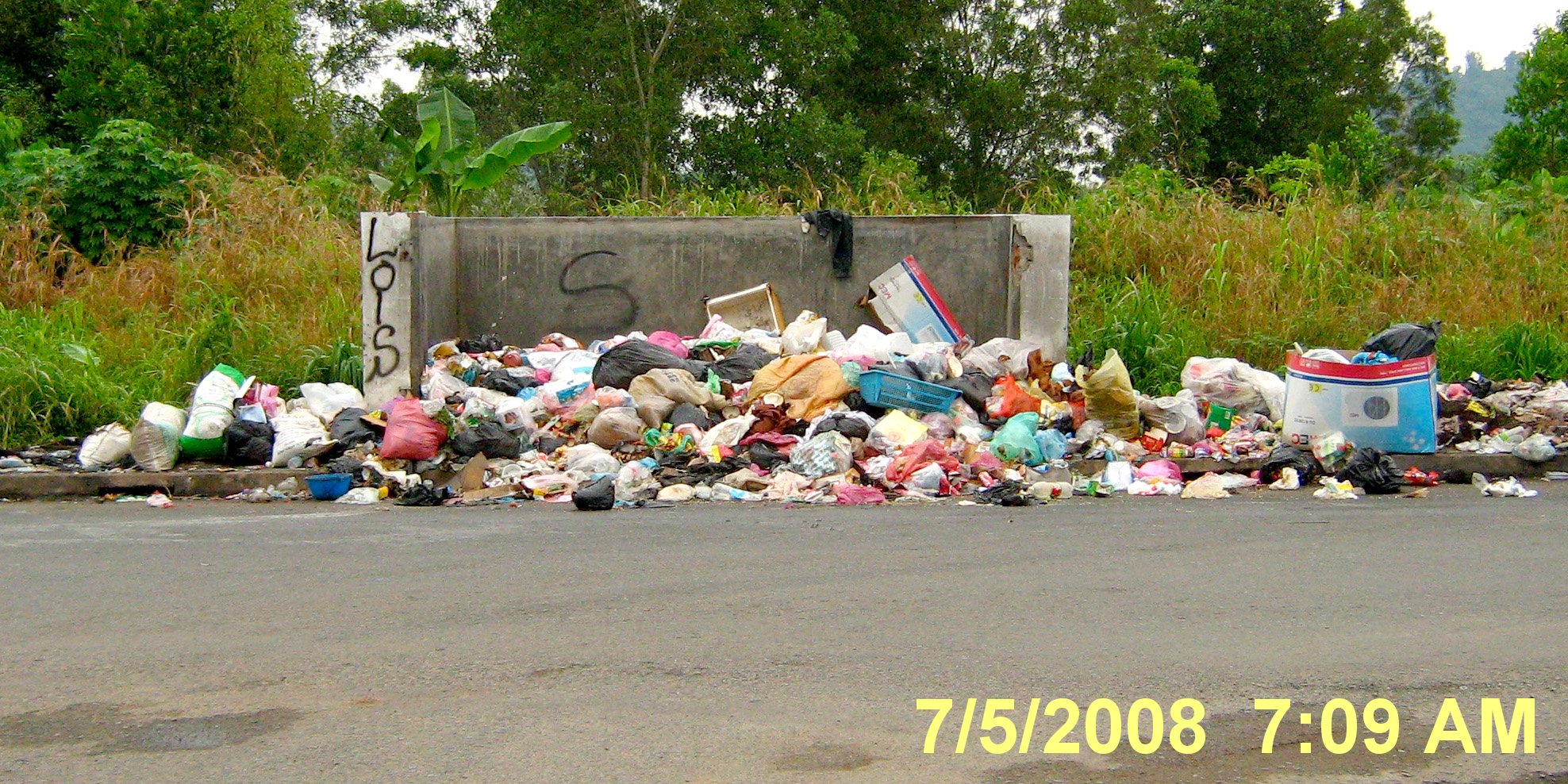
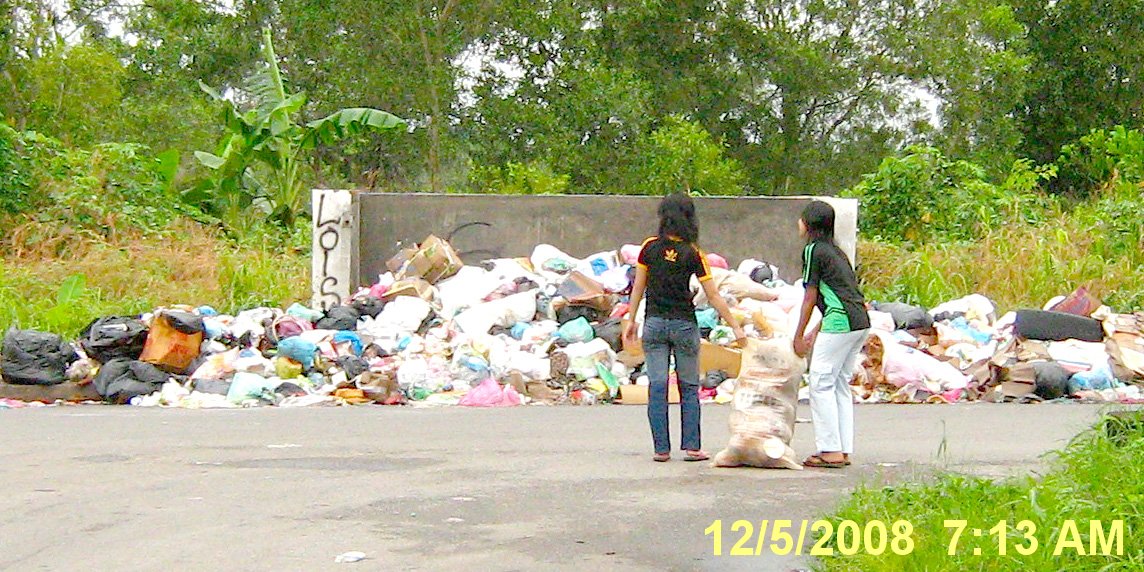
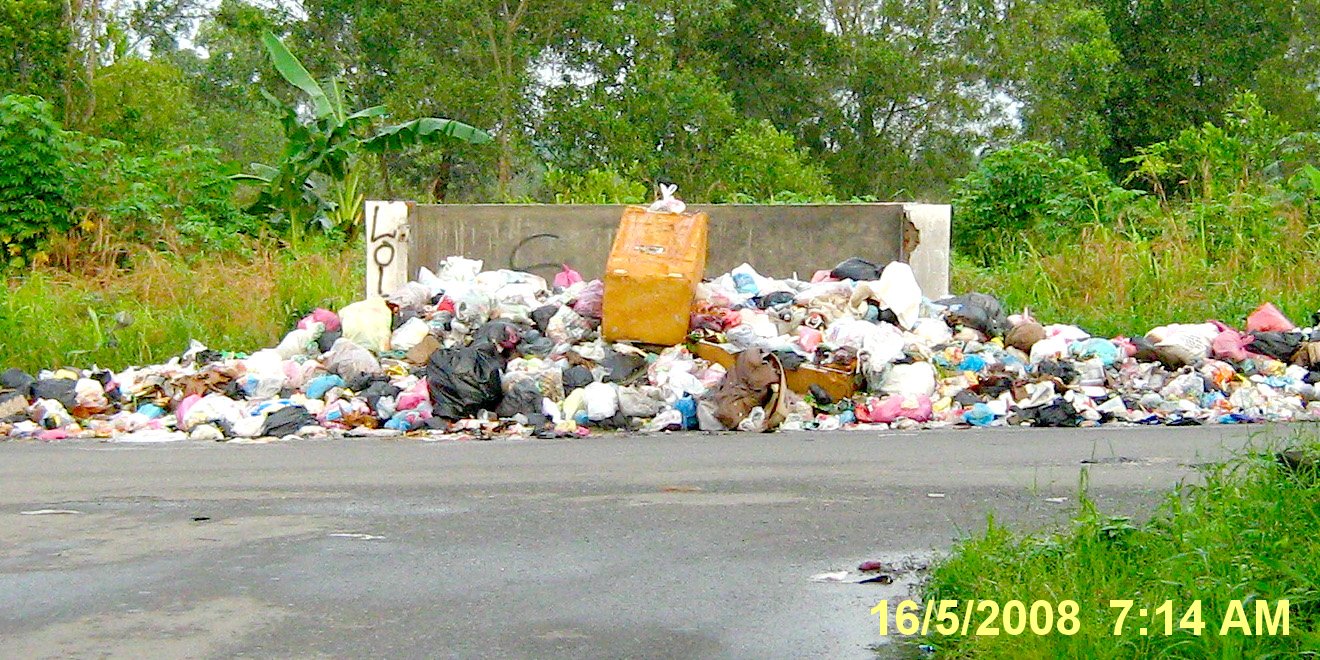
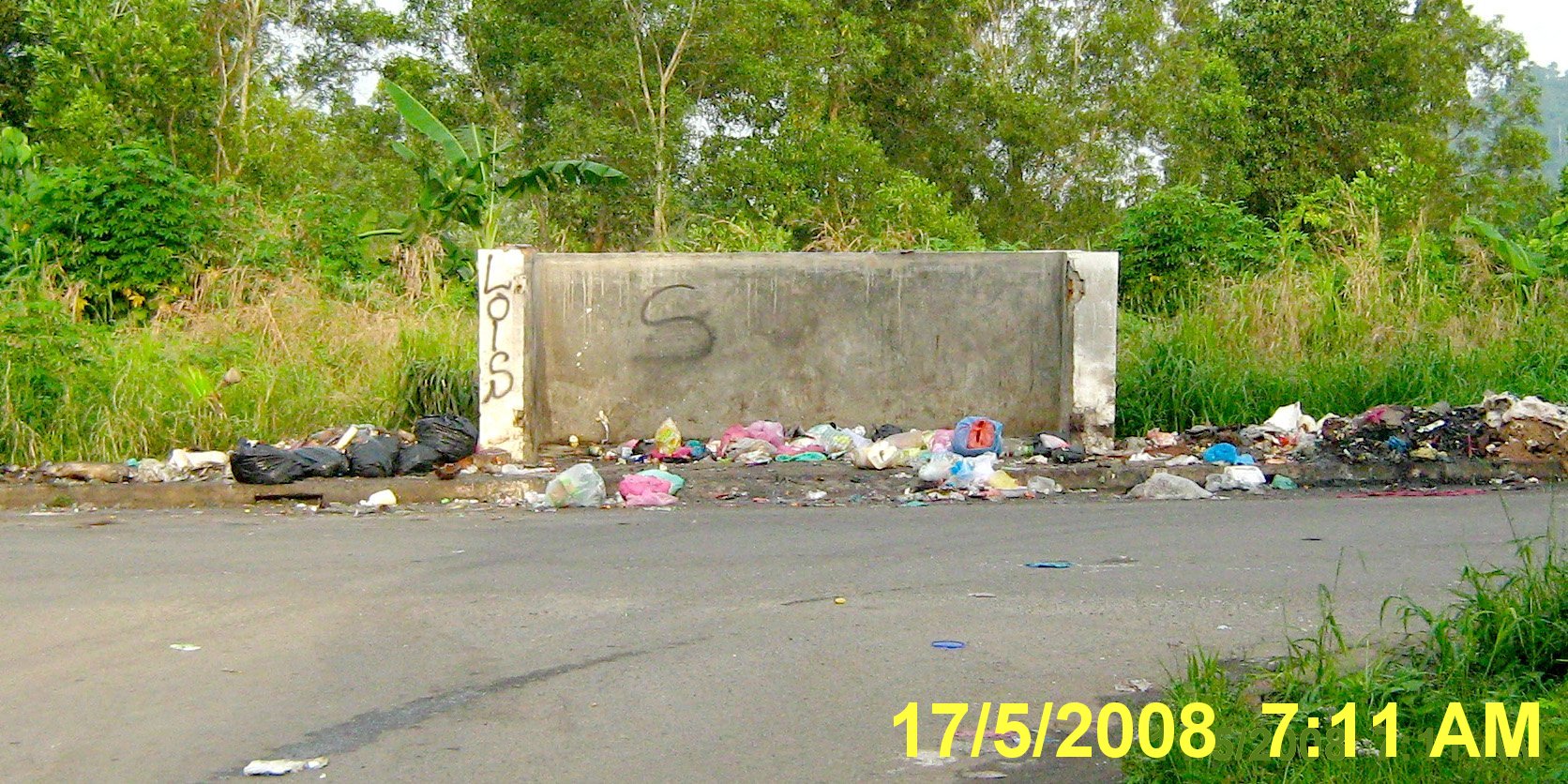
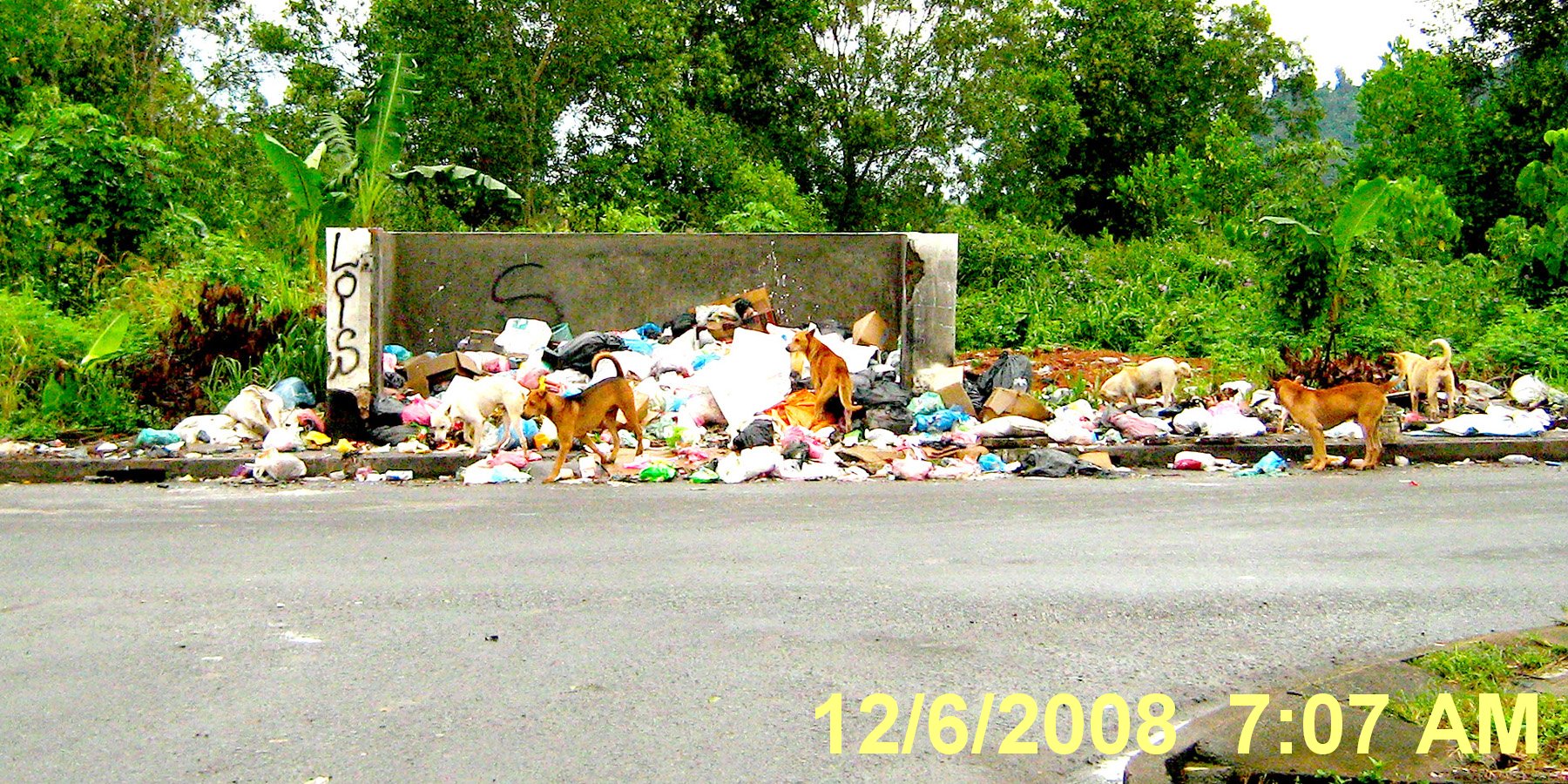
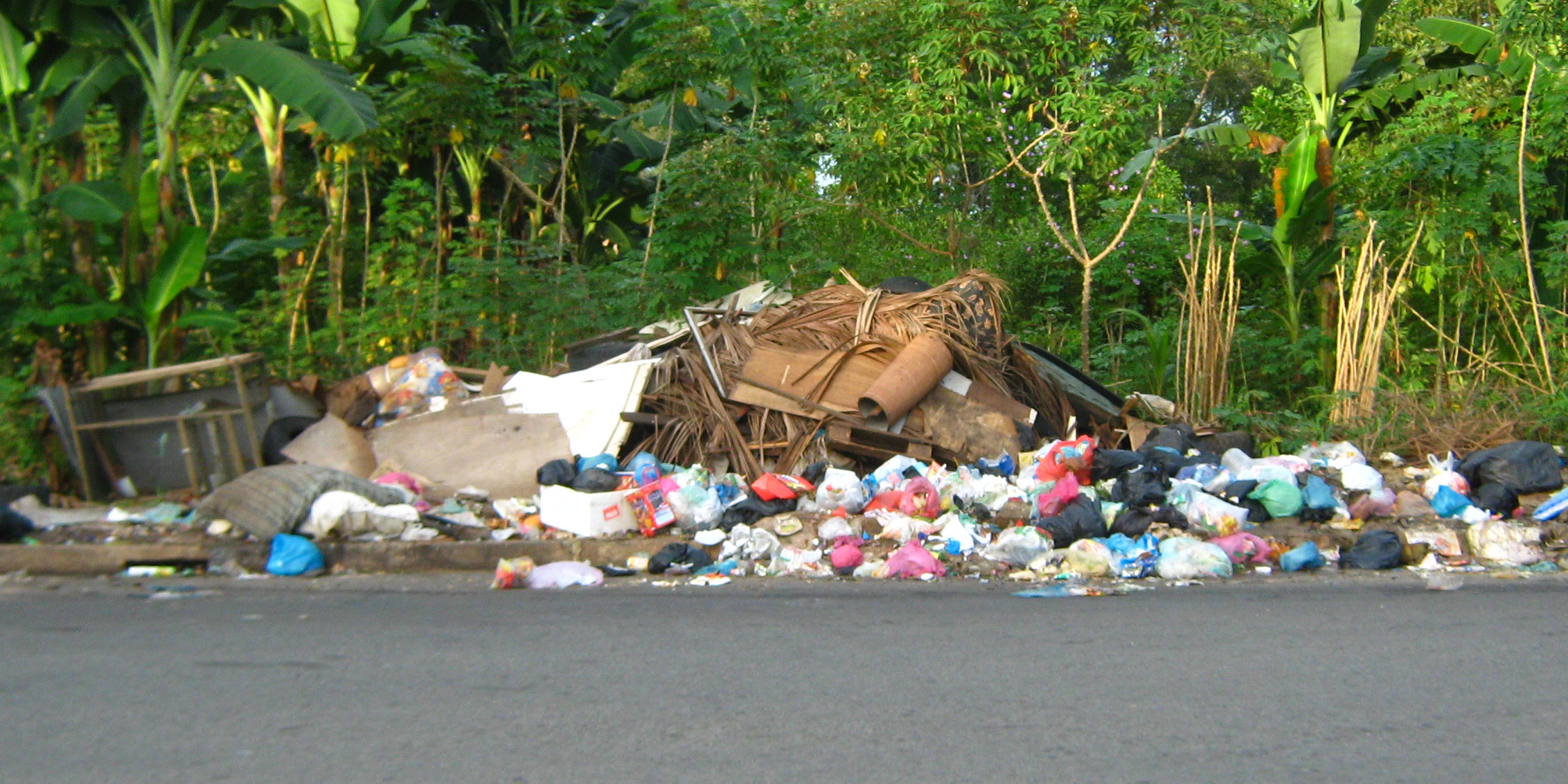
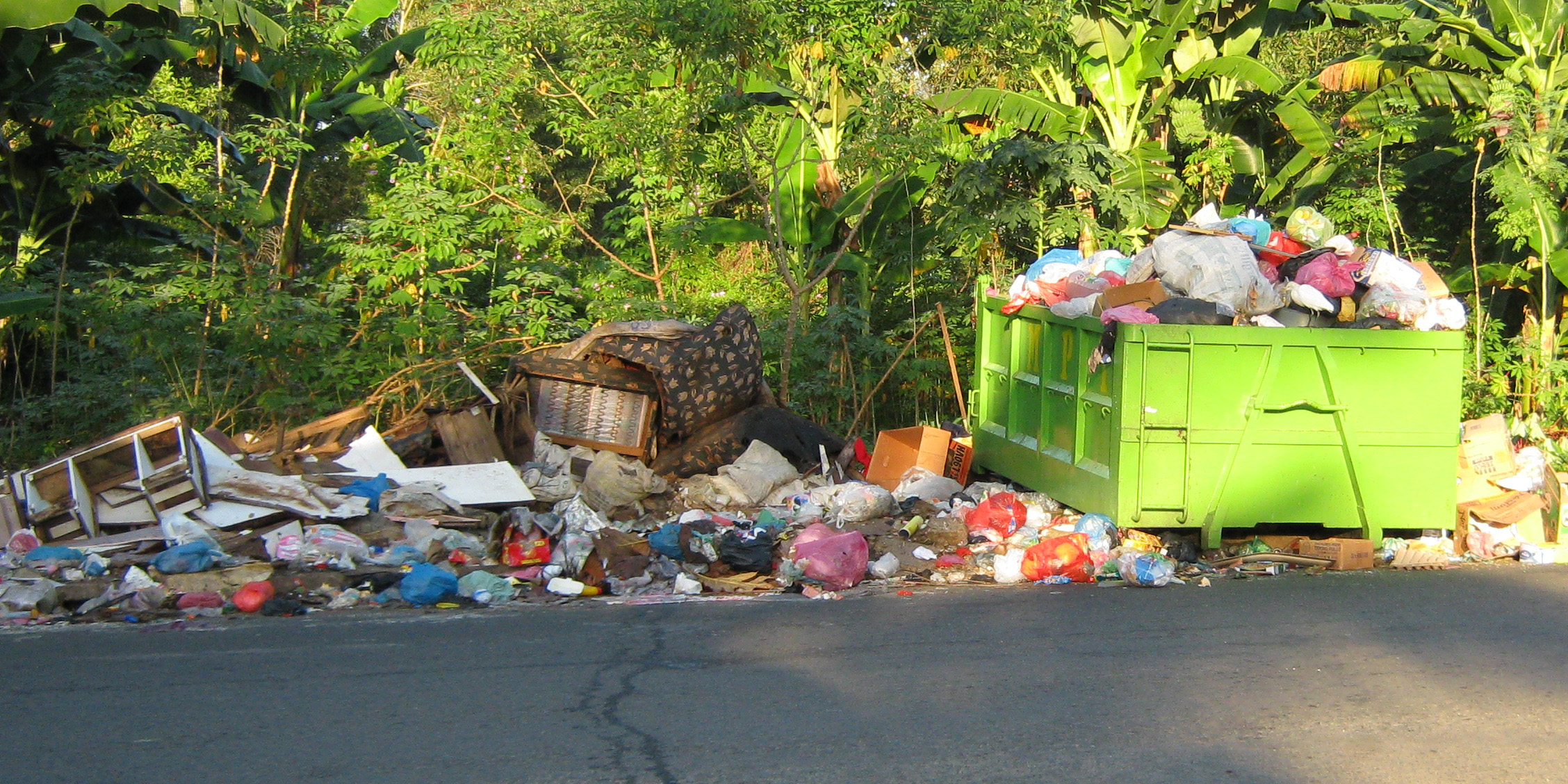
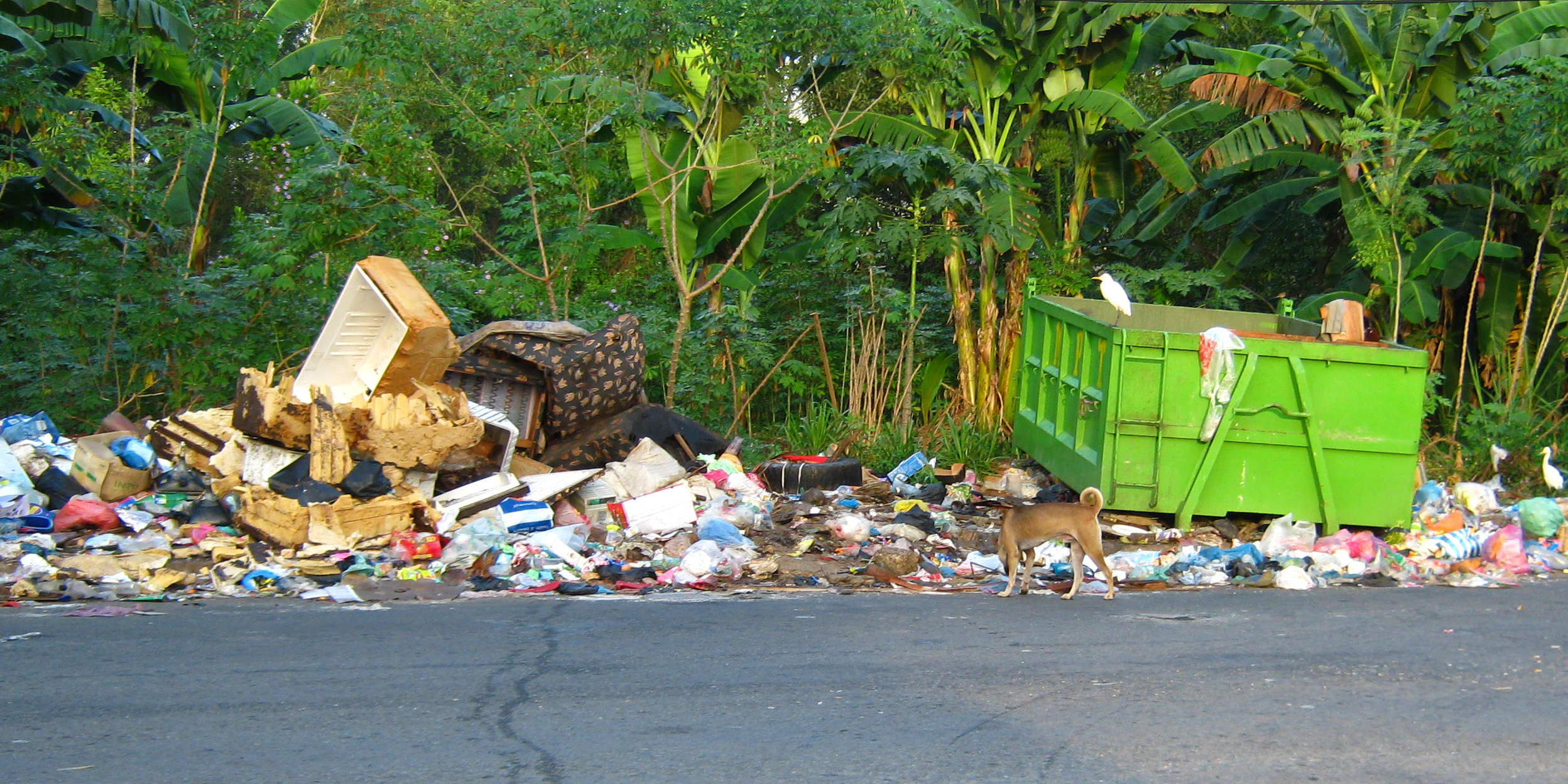
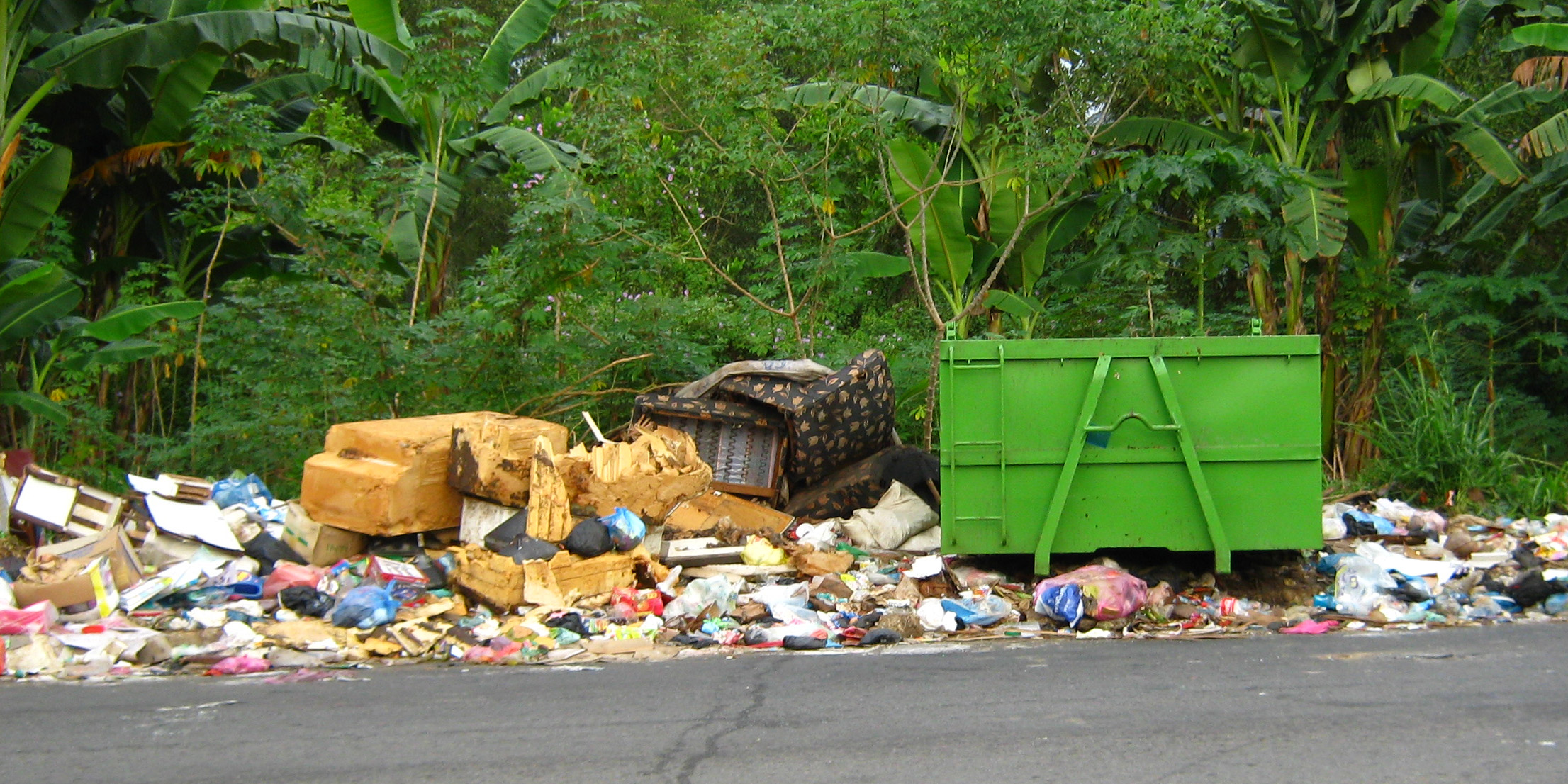
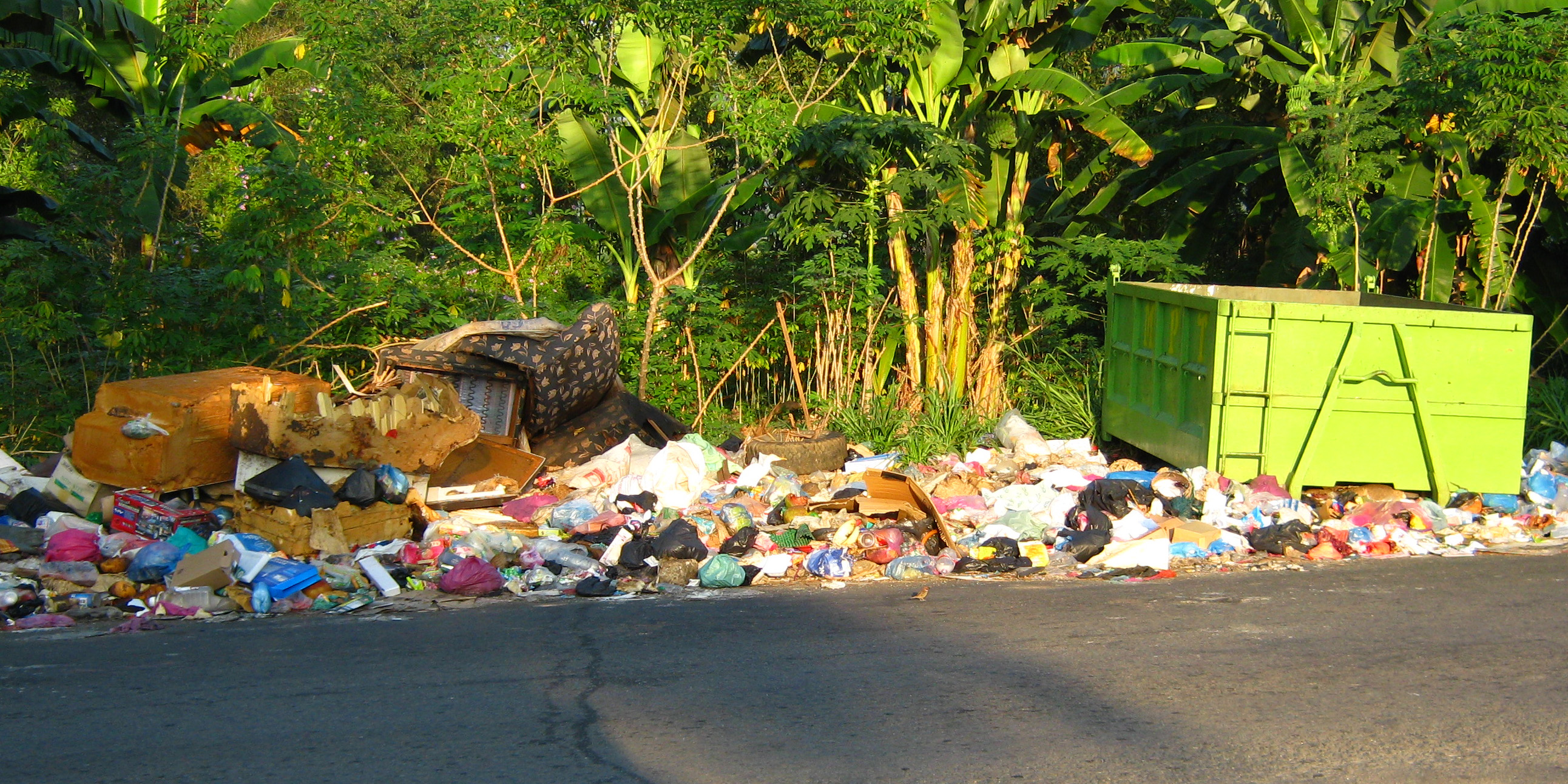
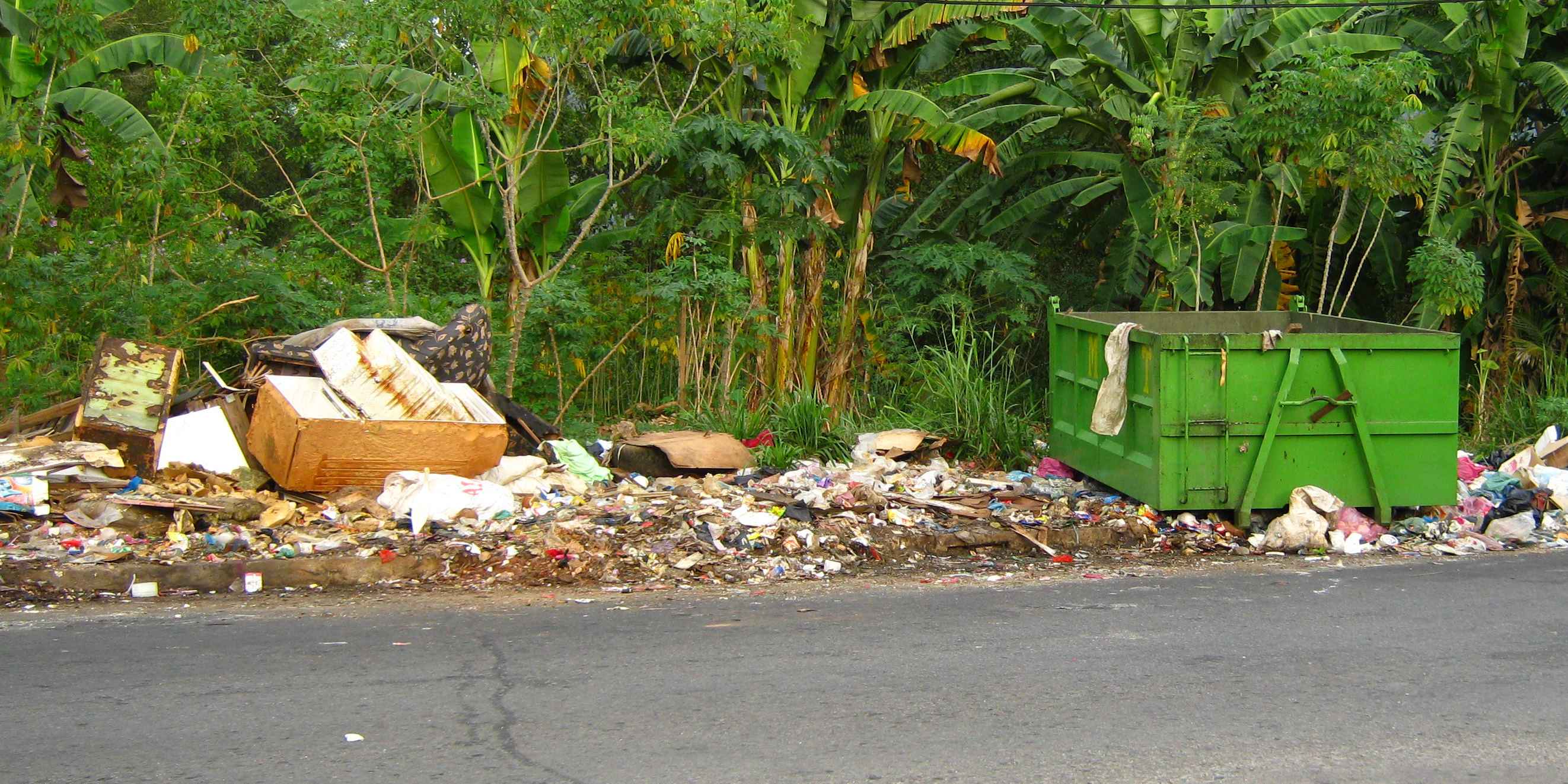
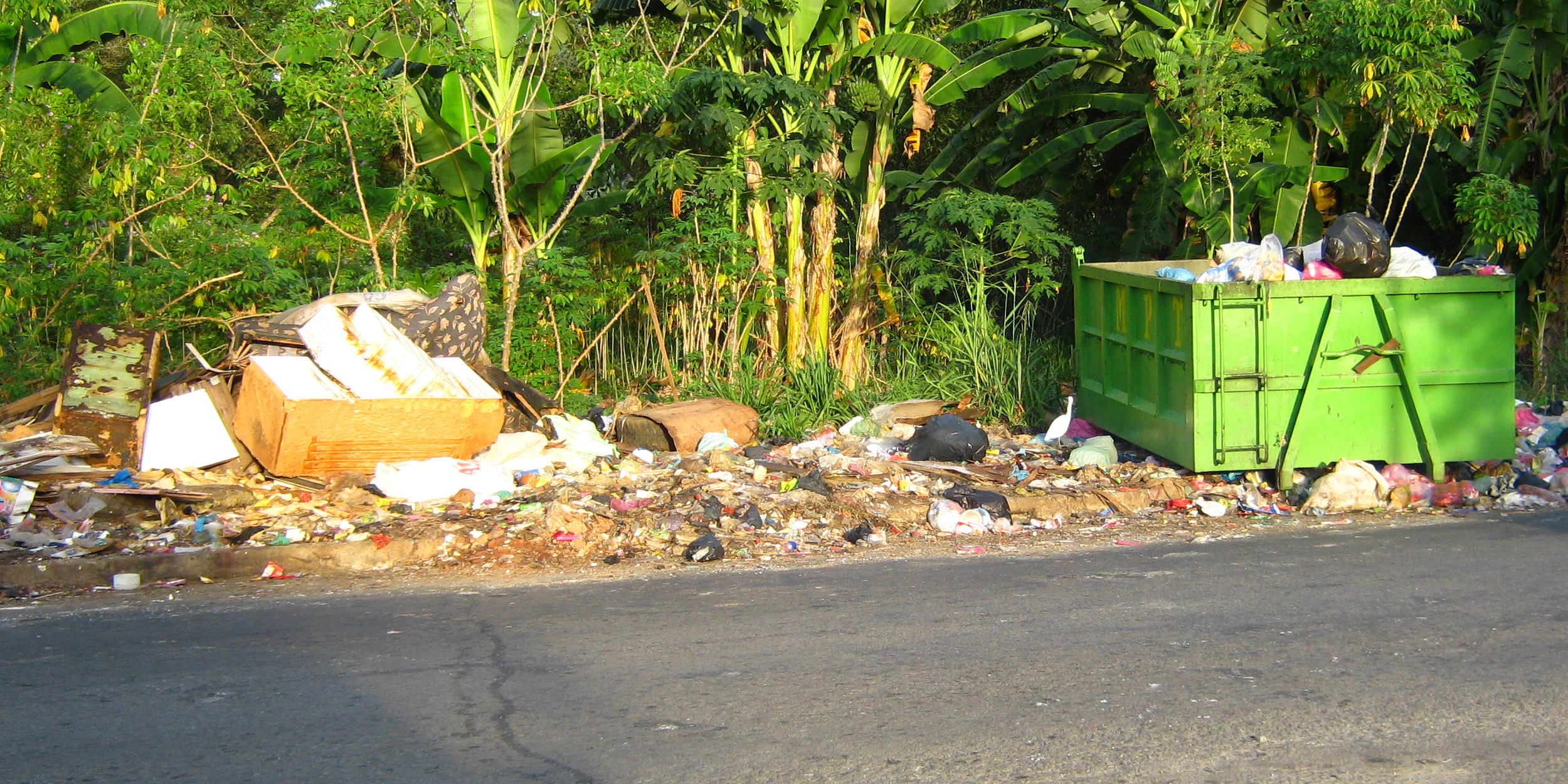
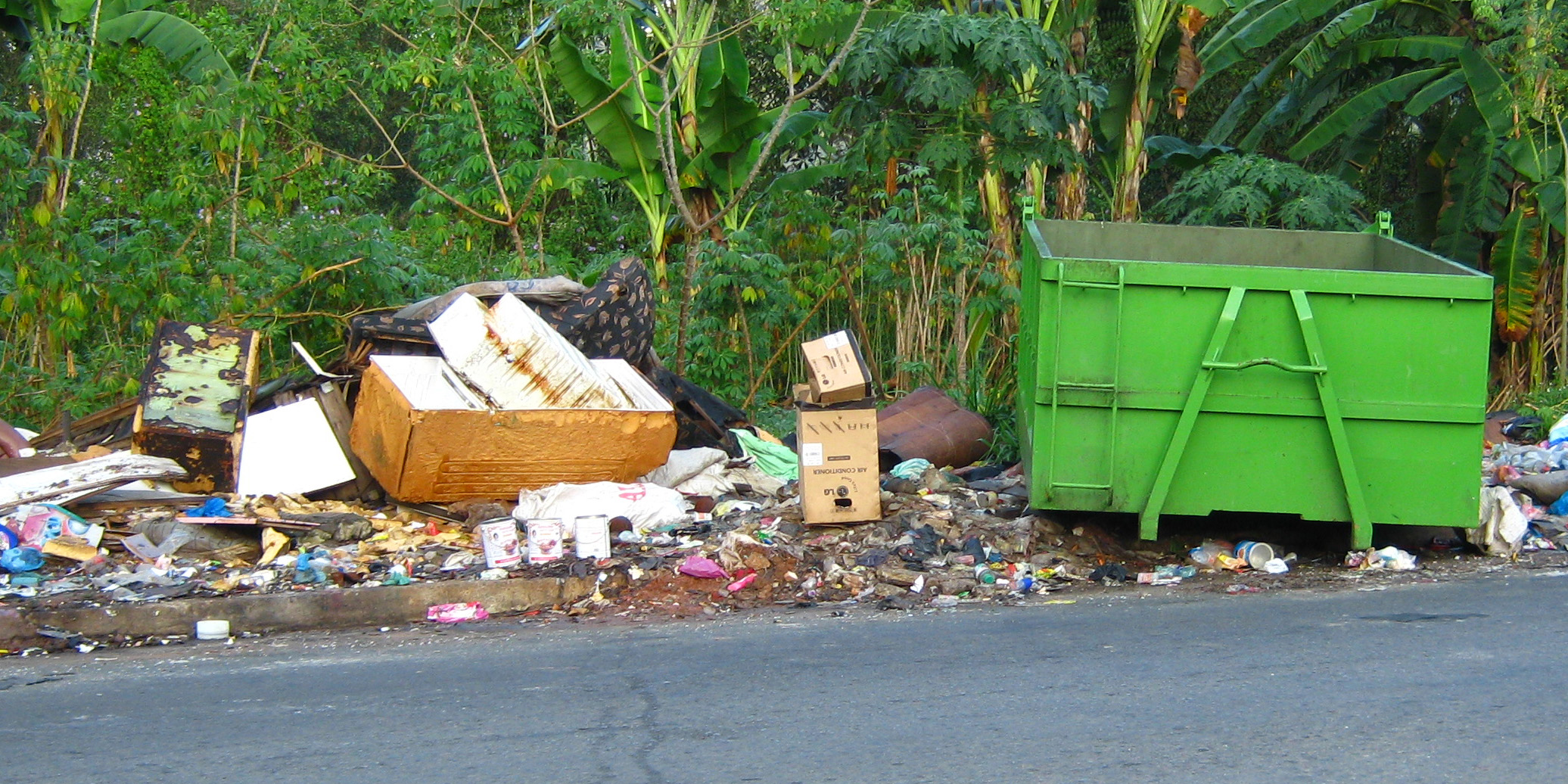
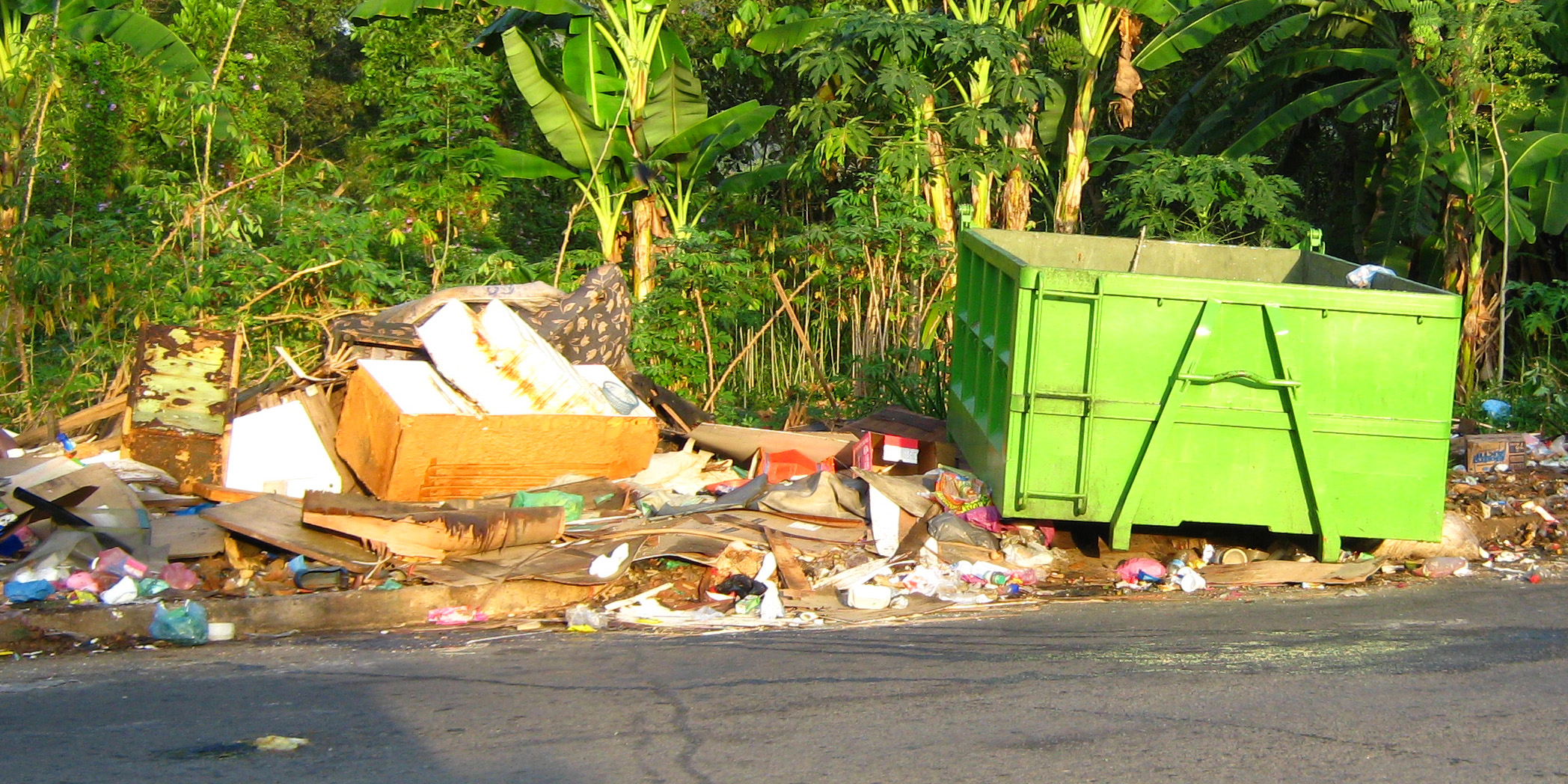
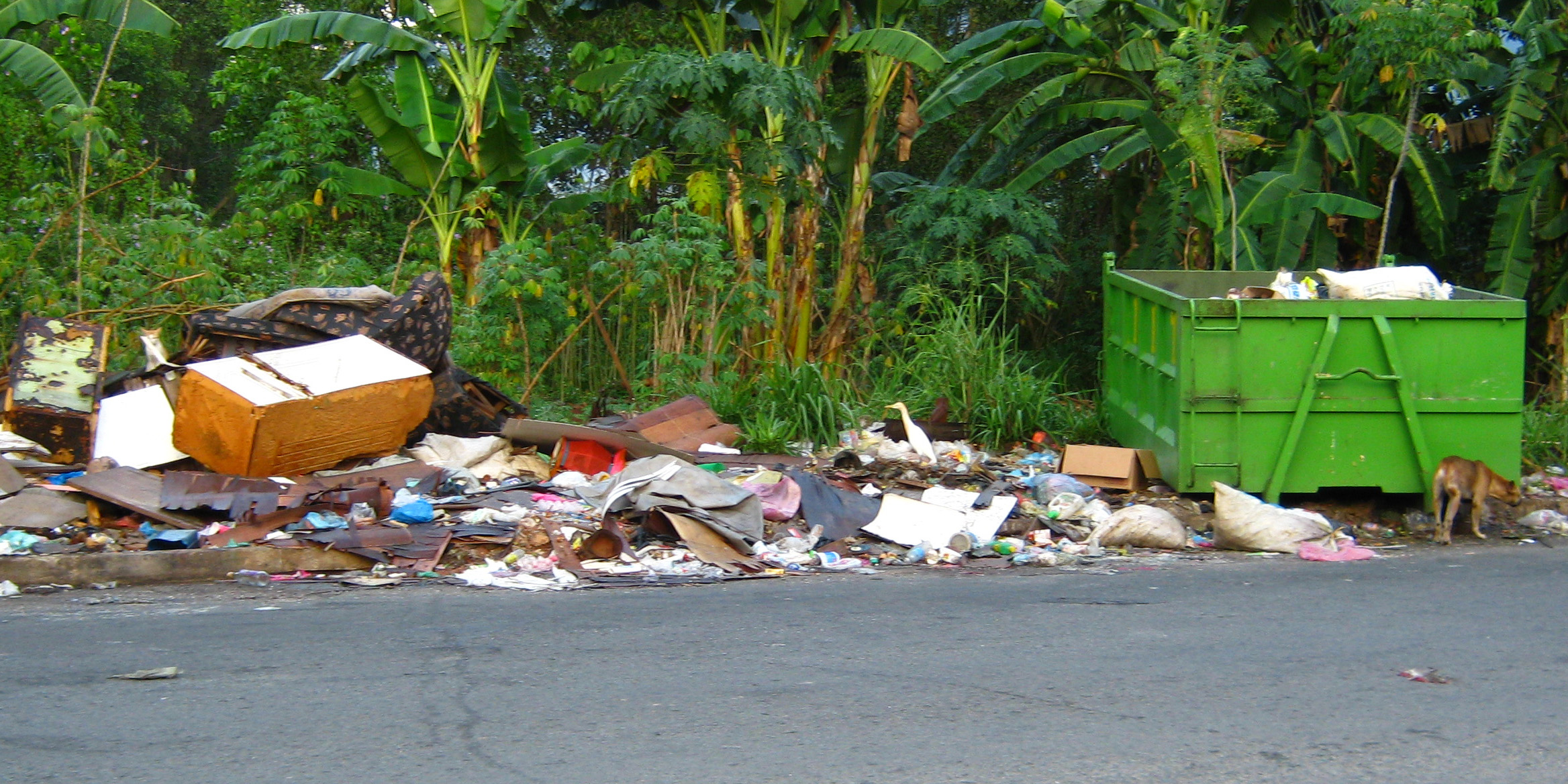
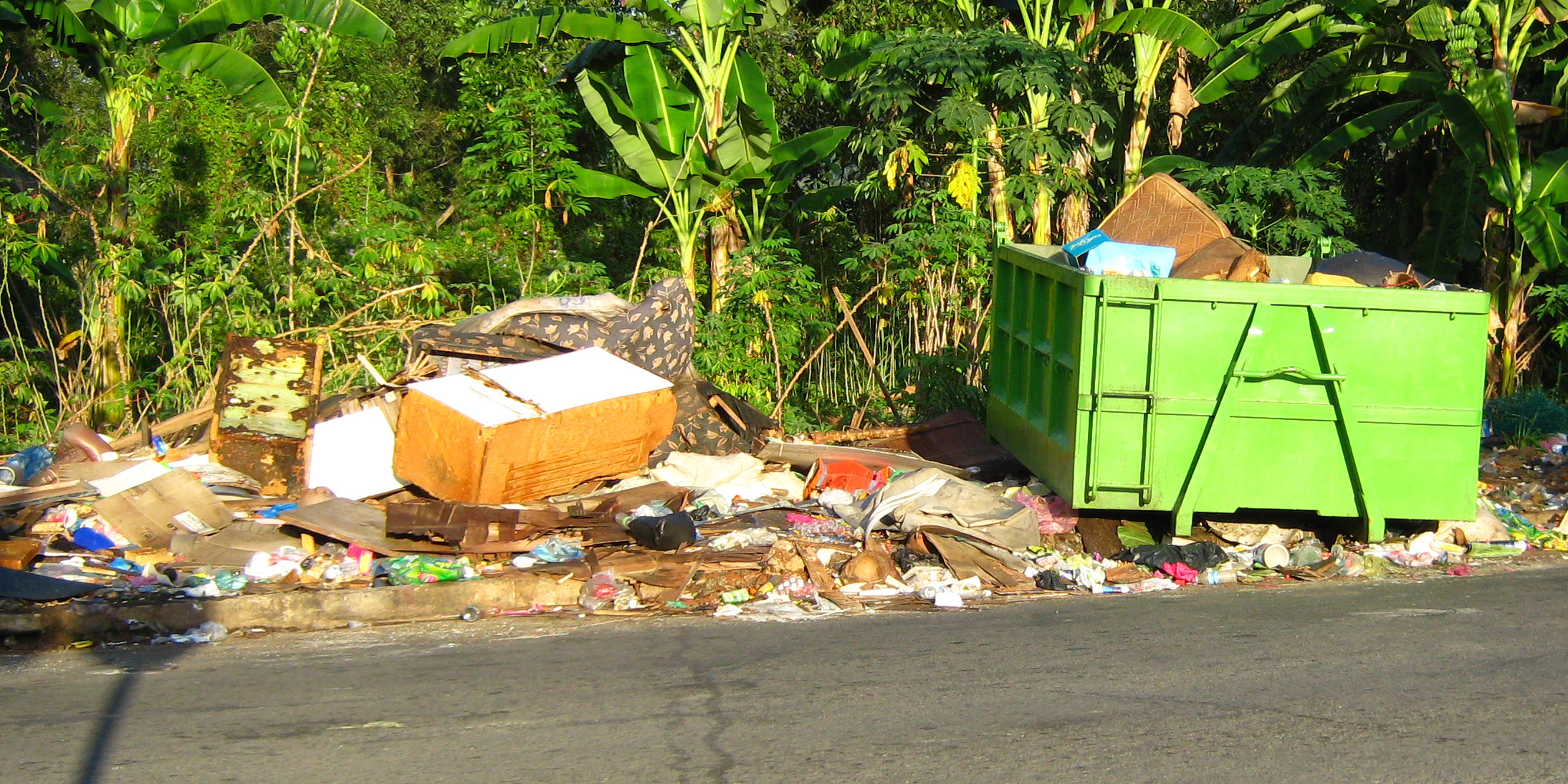
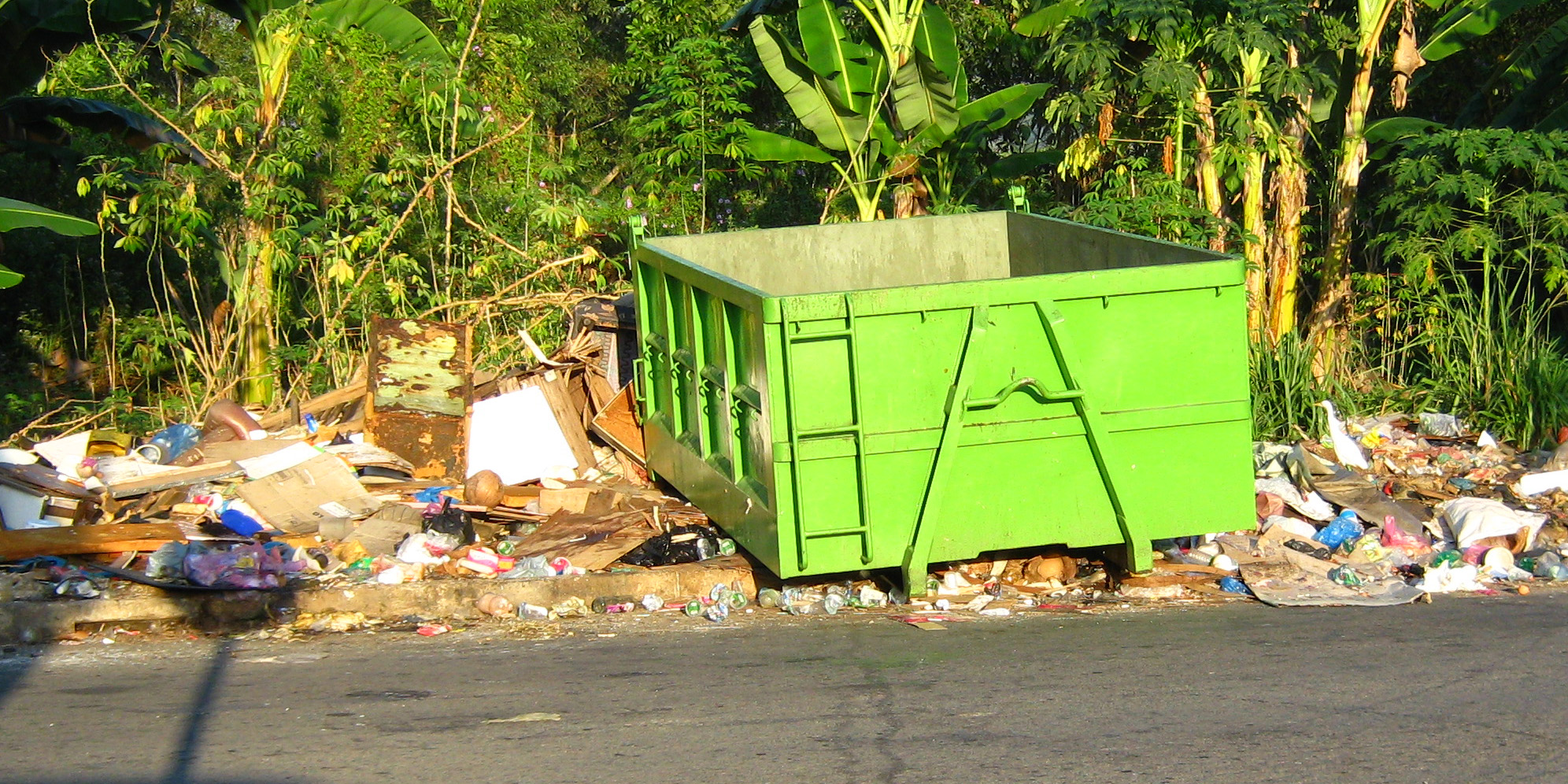
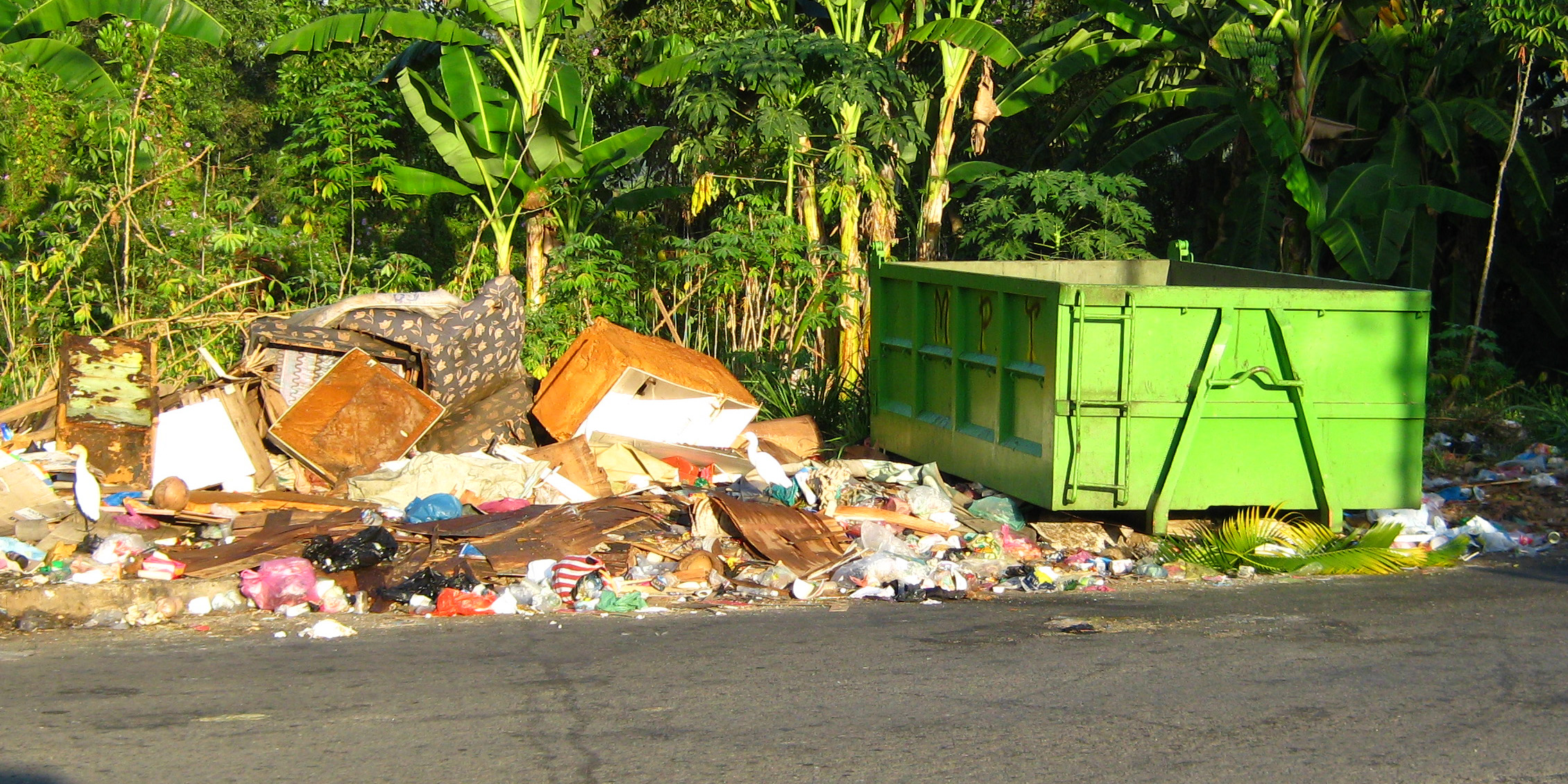
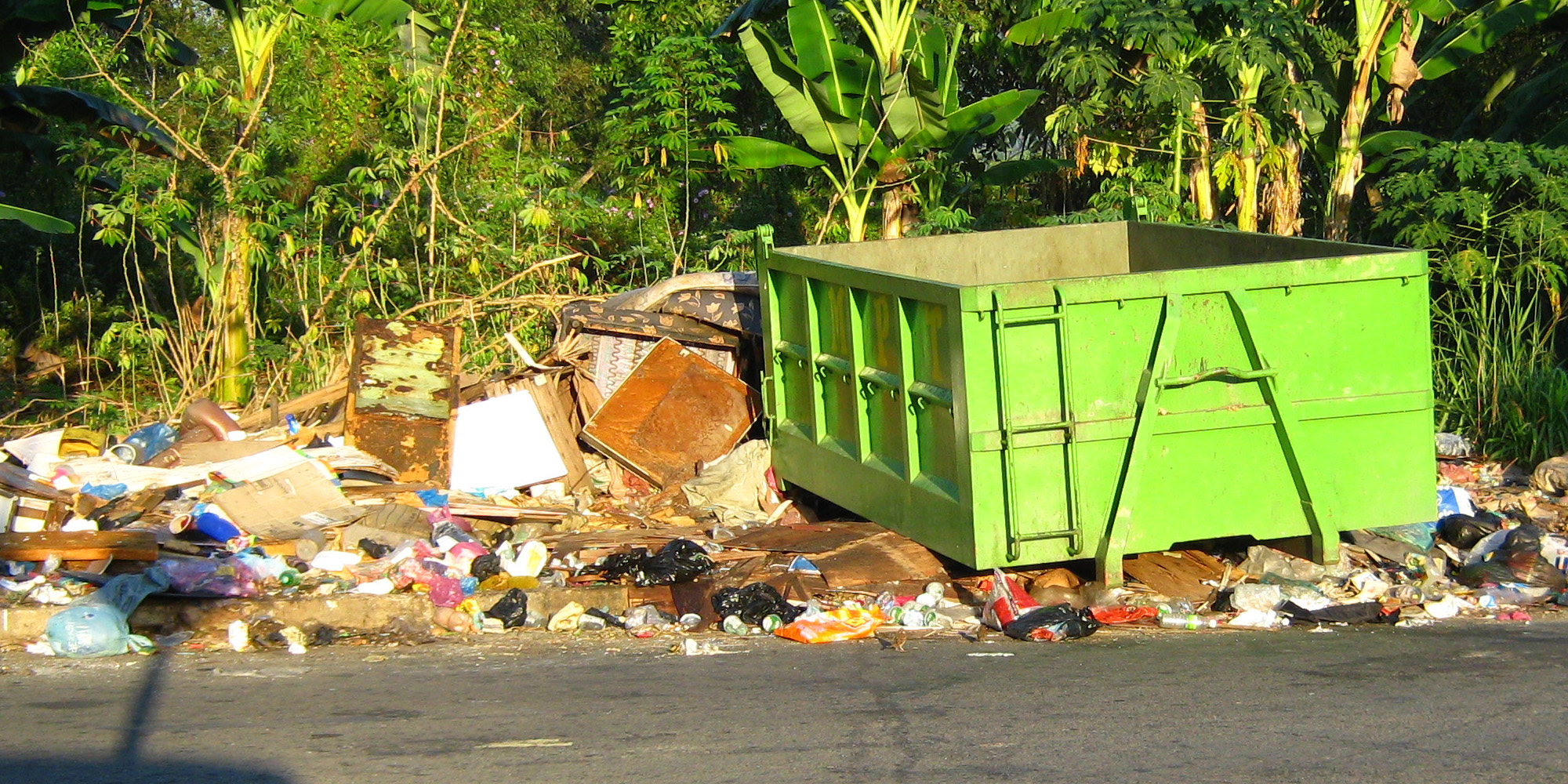
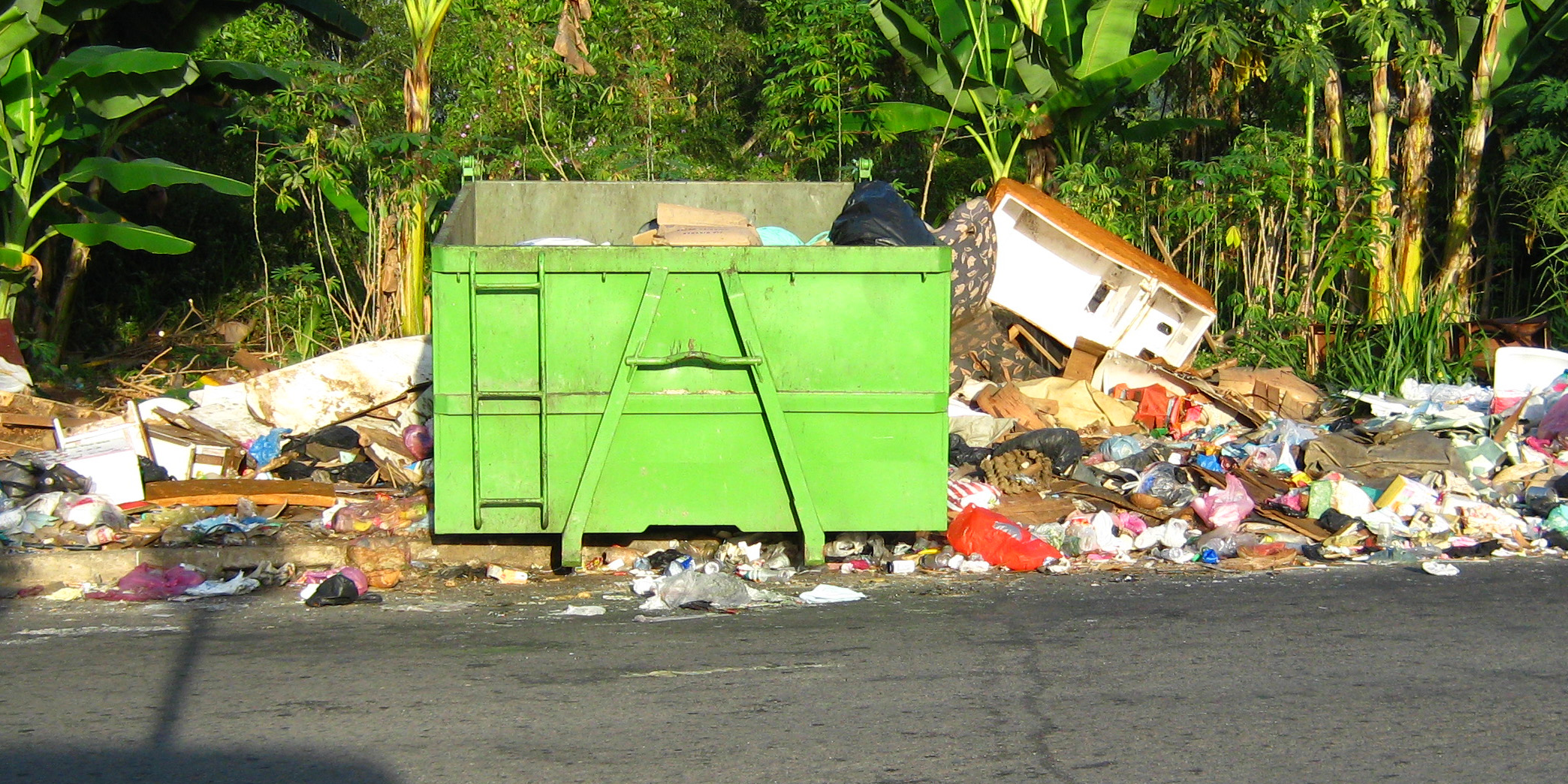
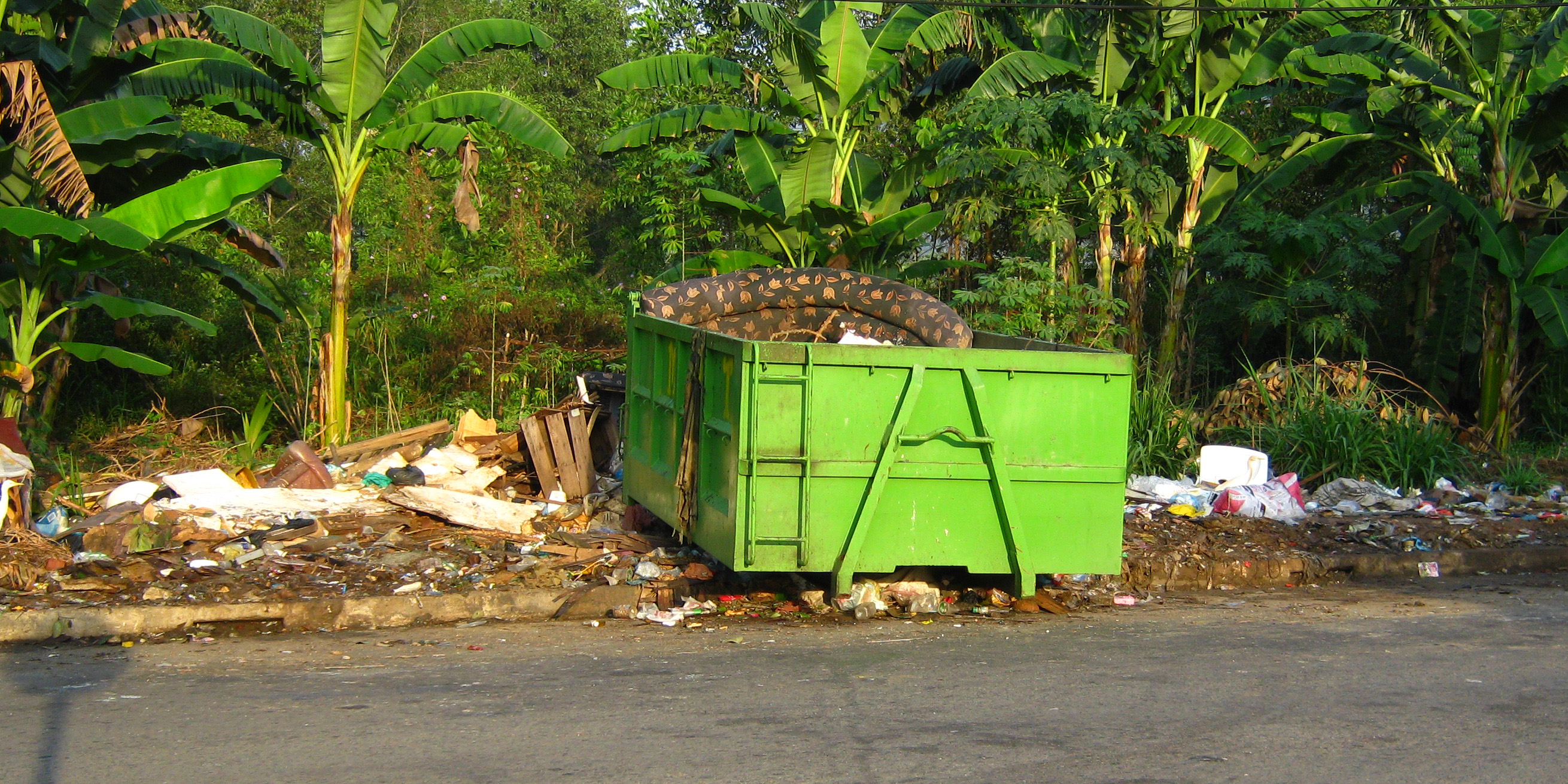
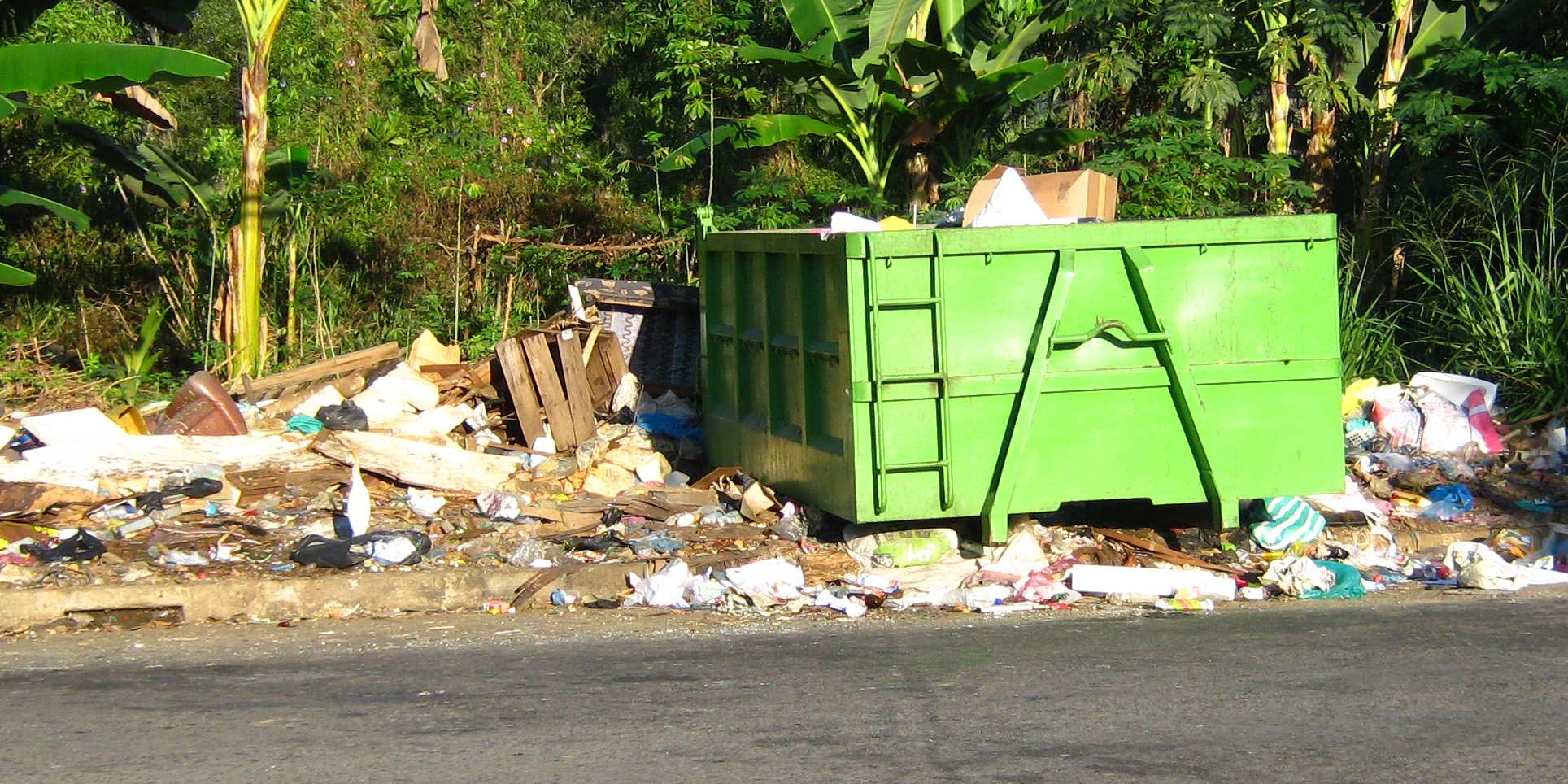
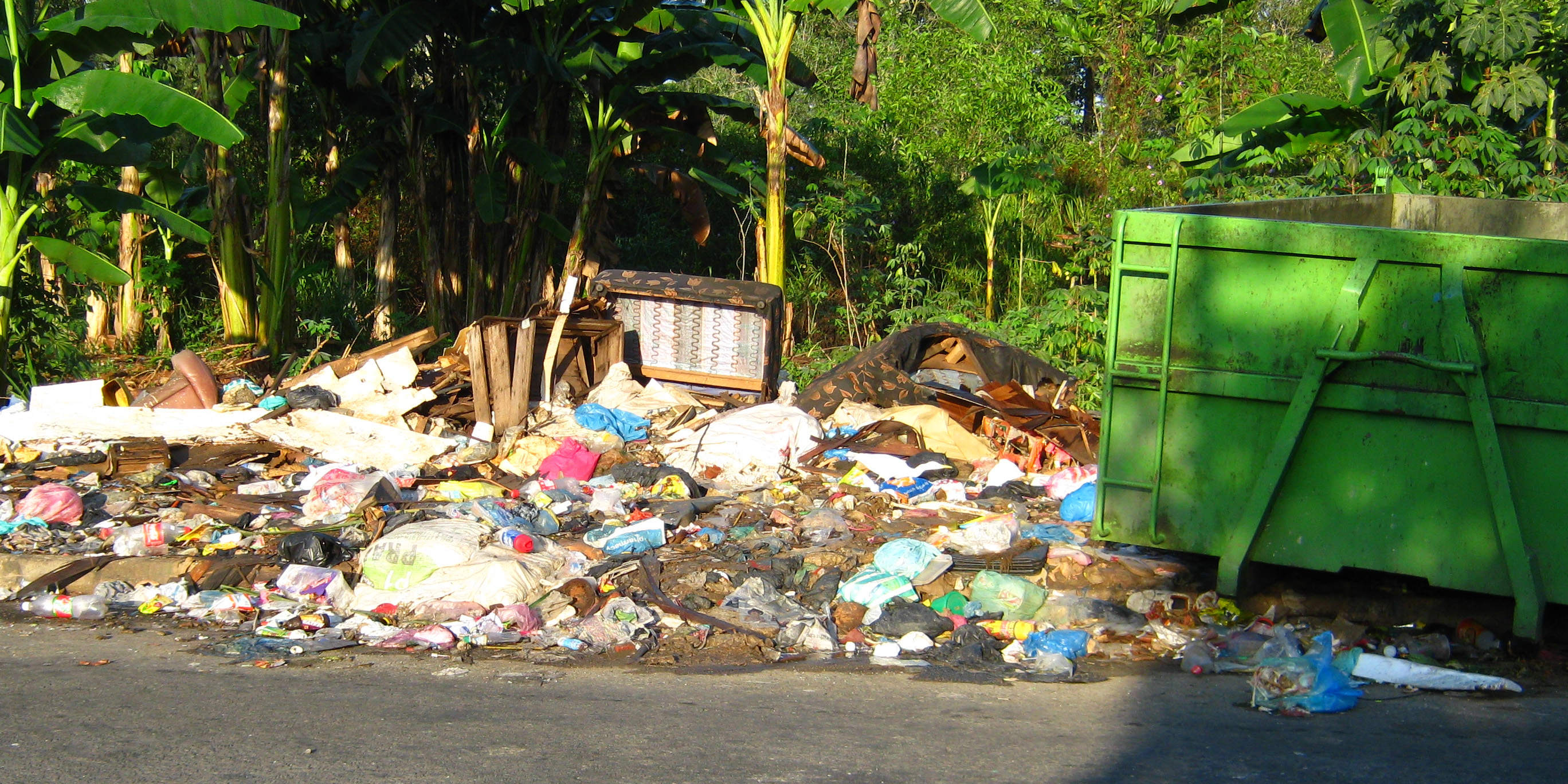
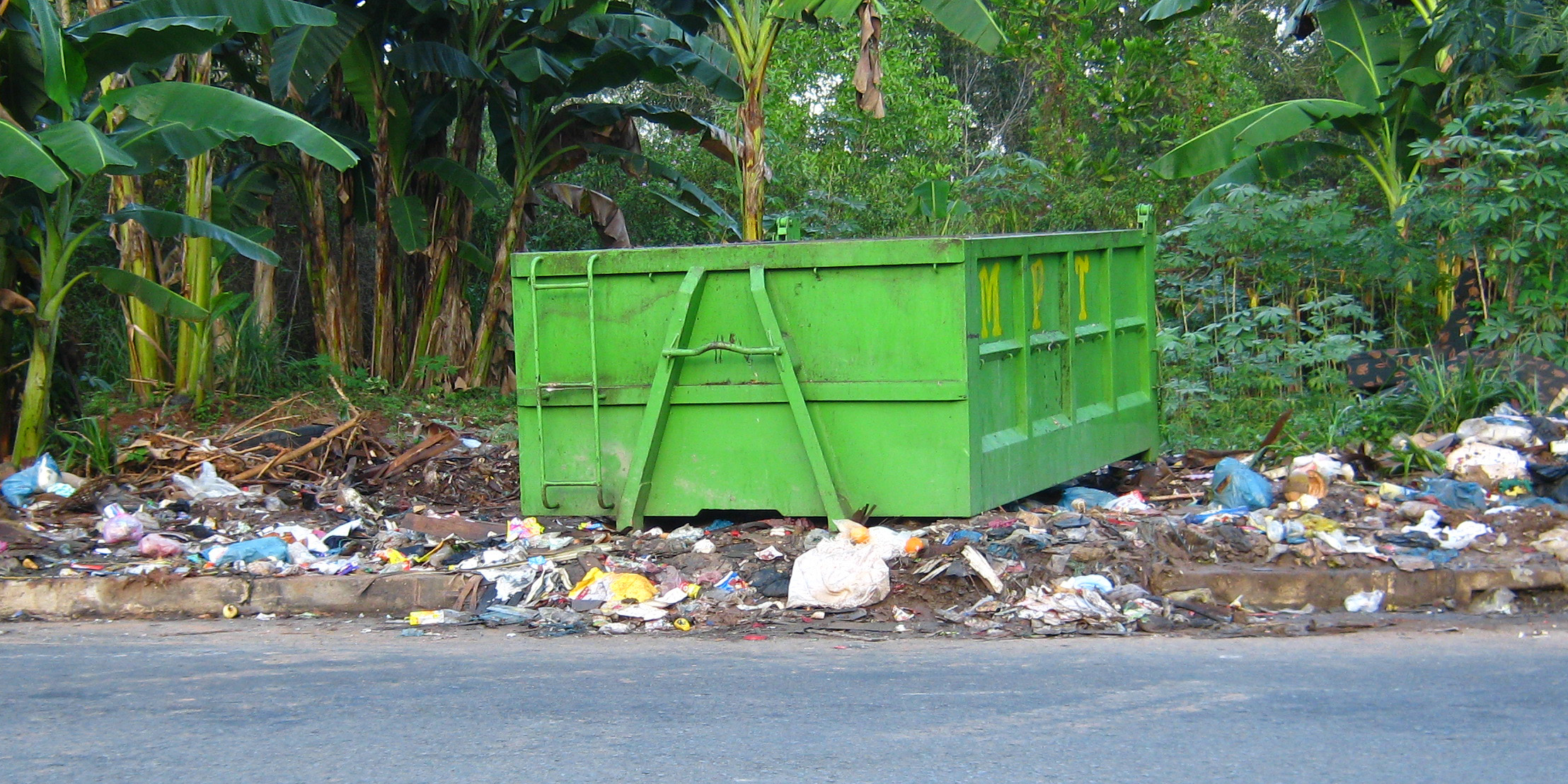
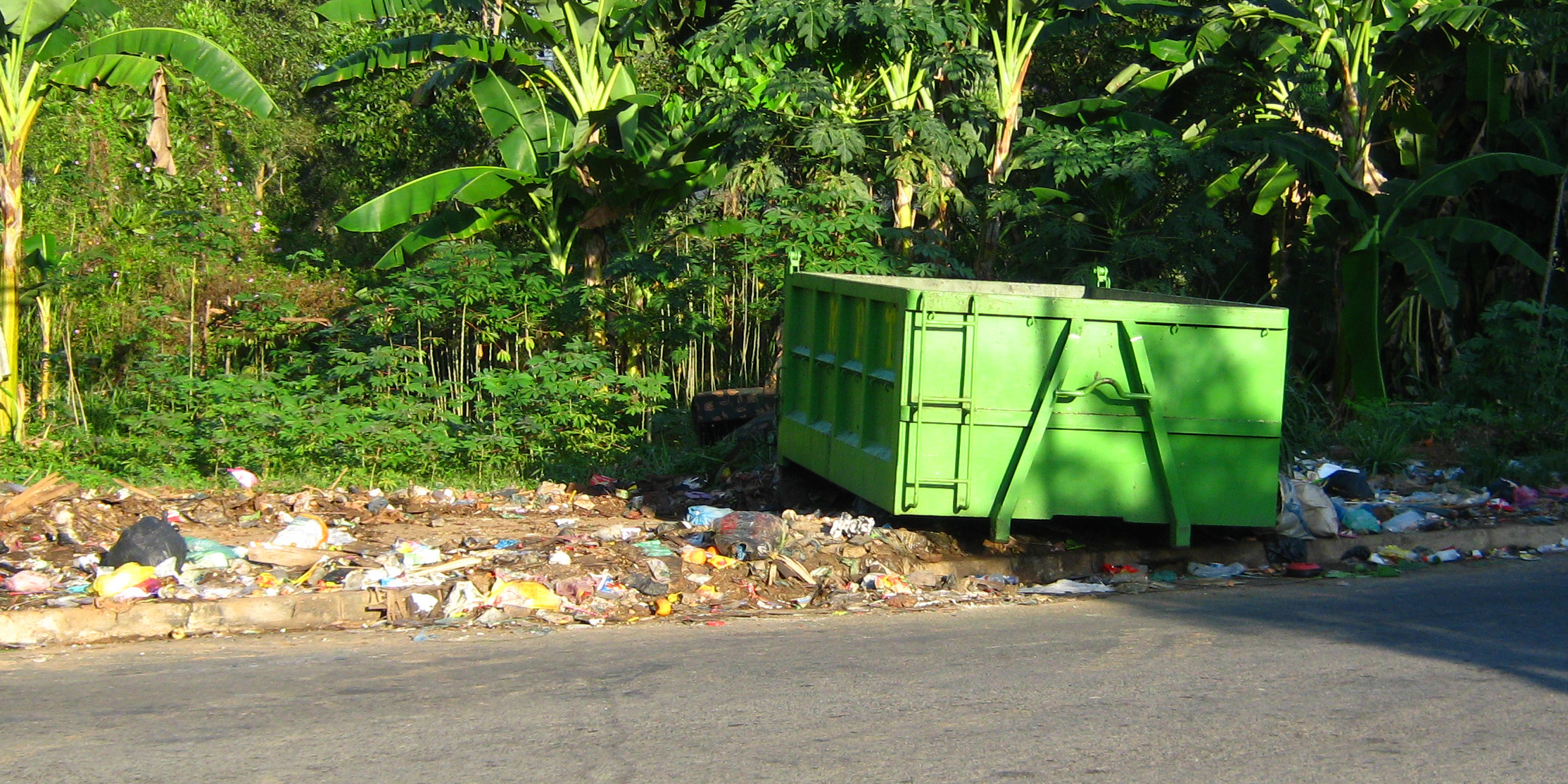
| Source : TAWAU MUNICIPAL COUNCIL
LOCAL GOVERNMENT ORDINANCE 1961
(No. 11 of 1961)
TAWAU MUNICIPAL COUNCIL (ANTI-LITTER) BY-LAWS 1984
(G.N.L 73 of 1984)
In exercise of the powers conferred upon it by subsection (1) of
section 50 of the Local Government Ordinance 1961, the Tawau
Municipal Council, with the approval of the Minister, has made the
following by-laws:
1. Citation and commencement.
These by-laws may be cited as the Tawau Municipal Council
(Anti-litter) By-laws 1984, and shall apply to the whole area under
the jurisdiction of the Council and shall be deemed to have come
into force on the 1st day of April 1984.
2. Interpretation.
“building” means any home, hut, stall, shed or roofed enclosure,
whether used for the purpose of human habitation or otherwise, and
also any wall, fence, platform, staging, gate, post, pillar, paling,
frame, hoarding, slip, dock, wharf, pier, jetty, landing-stage or
bridge or any structure, support or foundation connected to the
foregoing;
“garden refuse” means any refuse from garden and agricultural
operations;
“litter” means any dust, sand, earth, gravel, clay, stone, paper,
ashes, carcase, refuse, leaves and branches, grass, straw, boxes,
barrels, bales, shavings, sawdust, garden refuse, stable refuse,
trade refuse, manure, garbage, bottles, glass, can, food container,
food wrapper, particles of food or other things or articles;
“occupier” includes any person in actual occupation of any premises
or having the charge, management or control thereof, and in the case
of property subdivided or let to various tenants or lodgers, the
person who for the time being receiving the rent payable by the
tenants or lodgers whether on his own account or as agent for any
person entitled thereto or interested therein;
“owner” shall have the same meaning assigned to it in the Local
Government Ordinance, 1961;
“place of public resort” means any building or defined or enclosed
place used or constructed or adapted to be used either ordinarily or
occasionally as a church, chapel, mosque, temple or other place
where public worship or religious ceremony are performed (not being
merely a dwelling-house so used), or as a cinema, theatre, public
hall, public concert room, public ballroom, public lecture room or
public exhibition room, or as a public place of assembly for persons
admitted thereto by ticket or otherwise, or used or constructed or
adapted to be used either ordinarily or occasionally for any other
public purpose;
“public place” includes every public highway, street, road, sea
beach, bridge, square, court, lane, alley or passage, bridle way,
footway, parade, wharf, jetty, quay, public park, garden or open
space (enclosed or unenclosed), and every theatre, place of public
entertainment of any kind or any place of public resort to which
admission is obtained or to which the public have access, whether on
payment or otherwise;
“stable refuse” means the dung or urine of horses, cattle, sheep,
goats, buffaloes or pigs, and the sweepings or refuse of drainage
from any stables or sheds for keeping horses, cattle, sheep, goats,
buffaloes, pigs or poultry;
“street” means any road, square, footway, back lane or passage
whether a thoroughfare or not, over which the public have a right of
way, also the way over any public bridge, and also includes any
road, footway, or passage, open court or open alley used or intended
to be used as a means of access to two or more holdings, whether the
public have a right of way there over or not; and all channels,
drains, ditches and reserves at the side of any street shall be
deemed to be part of such street;
“trade refuse” means the refuse of any trade, manufacture or
business of any building operations;
“vehicle” means any vehicle whether mechanically propelled or
otherwise.
3. What constitutes an offence.
Any person who-
(a) places, deposits or throws or causes or allows to be placed,
deposited or thrown any litter in any public place;
(b) dries any article of food or any article or thing in any public
place;
(c) throws, places, spills or scatters any blood, brine, swill
noxious liquid or other offensive or filthy matter of any kind in
such manner as to run or fall into any public place;
(d) drops, spills or scatters any dirt, sand, earth, gravel, clay,
loam, stone, grass, straw, shavings, sawdust, ashes, garden refuse,
stable refuse, trade refuse, manure, garbage or any other thing or
matter in any public place, whether from a moving or stationary
vehicle or on any other manner;
(e) sieves, shakes, cleans, beats or otherwise agitates any lime,
ashes, sand, coal, hair, waste paper, feathers or other substances
in such manner that it is carried or likely to be carried by the
wind to any public place;
(f) throws or leaves behind any bottle, glass, can, food container,
food wrapper, particles of food or any other articles or things in
any public place;
(g) during the construction, alteration or demolition of any
building or erection or at any time whatsoever, deposits, drops,
leaves or places, or cause to be deposited, dropped, left or placed
in or onto any public place, any stone, cement, earth, sand, wood or
other building material, thing or substance, or who fails to take
reasonable precautions to prevent danger to the life, health or
well-being of persons using any public place from flying dust or
falling fragments or any other materials,
shall be guilty of an offence.
4. Presumption as to offender.
For the purposes of by-law 3 (d), where the thing is dropped, split
from a vehicle or drops or spills therefrom, the driver or the owner
of the vehicle shall be deemed to have committed the offence unless
the contrary is proved.
5. Occupier of land/building liable.
If in any case it is shown that any dust or other substance in these
By-laws mentioned has been deposited in any public place in
contravention of these By-laws from any building or land or that any
such water or offensive matter has run, drained or been thrown or
put upon into any street or drain in contravention of these By-laws,
it shall be presumed that the offence was committed by or by the
permission of the occupier of such building or land.
6. Occupier to keep footways, backyard and canopies clean.
The owner or occupier of any premises shall cause the immediate
vicinity of his premises, including the footways and backyards
abutting thereon and canopies projecting from any building over the
footways, to be swept and kept clean.
7. Occupier to keep private street clean.
The owner or occupier of any premises abutting on a private street
shall cause such portion of the street as fronts, adjoins or abuts
on his premises and up to the centre thereof to be kept clean.
8. Penalties.
(1) Any person who commits a breach or contravenes any of the
provisions of these By-laws shall be liable to a fine not exceeding
five thousand ringgit and in the case of a continuing offence to a
further fine of two hundred ringgit for every day during which the
offence continues.
(2) In addition to or in substitution for the penalty provided in
paragraph (1) of this by-law any expense incurred by the Council in
consequence of any breach or contravention of these By-laws or in
the execution of any work directed by these By-laws to be executed
by any person and not executed by such person, whether performed by
the Council or some other contractor, together with a surcharge or
not more than ten per centum of such expense shall be paid by the
person committing such breach or failing to execute such work and
may be recoverable as if such sum were a civil debt.
9. Compounding of offences.
(1) Any officer of the Council duly authorised by it in writing may
in his discretion compound any offence under these By-laws by
collecting from a person reasonably suspected of having committed
the offence a sum not exceeding one hundred ringgit.
(2) On payment of such sum of money, no further proceedings shall be
taken against the person in respect of such offence.
(3) The payment shall be evidenced by a receipt issued by the
officer so authorised to compound the offence.
10. Power of arrest.
(1) Any officer of the Council duly authorised by the Council or any
police officer may arrest without warrant any person who commits in
his presence or whom he reasonably believes to have committed any
offence under these By-laws:
(a) if the name or address of the person is unknown to him and the
person declines to give his name and address; or
(b) if there is reason to doubt the accuracy of his name or address.
(2) A person arrested under this by-law shall be detained and shall
be brought before a Magistrate’s Court within twenty-four hours
unless his name and address are sooner ascertained.
11. Repeal.
The Tawau Municipal Council (Anti-litter) By-laws 1980 is hereby
repealed.
Dated at Tawau this 3rd day of May 1984.
DATUK HAJI BISTARI JINRAIN,
President,
Tawau Municipal Council.
I approve the foregoing By-laws.
Dated at Kota Kinabalu this 29th day of August 1984.
AYUB AMAN,
Ministry of Town and Country Development.
September 2006 |