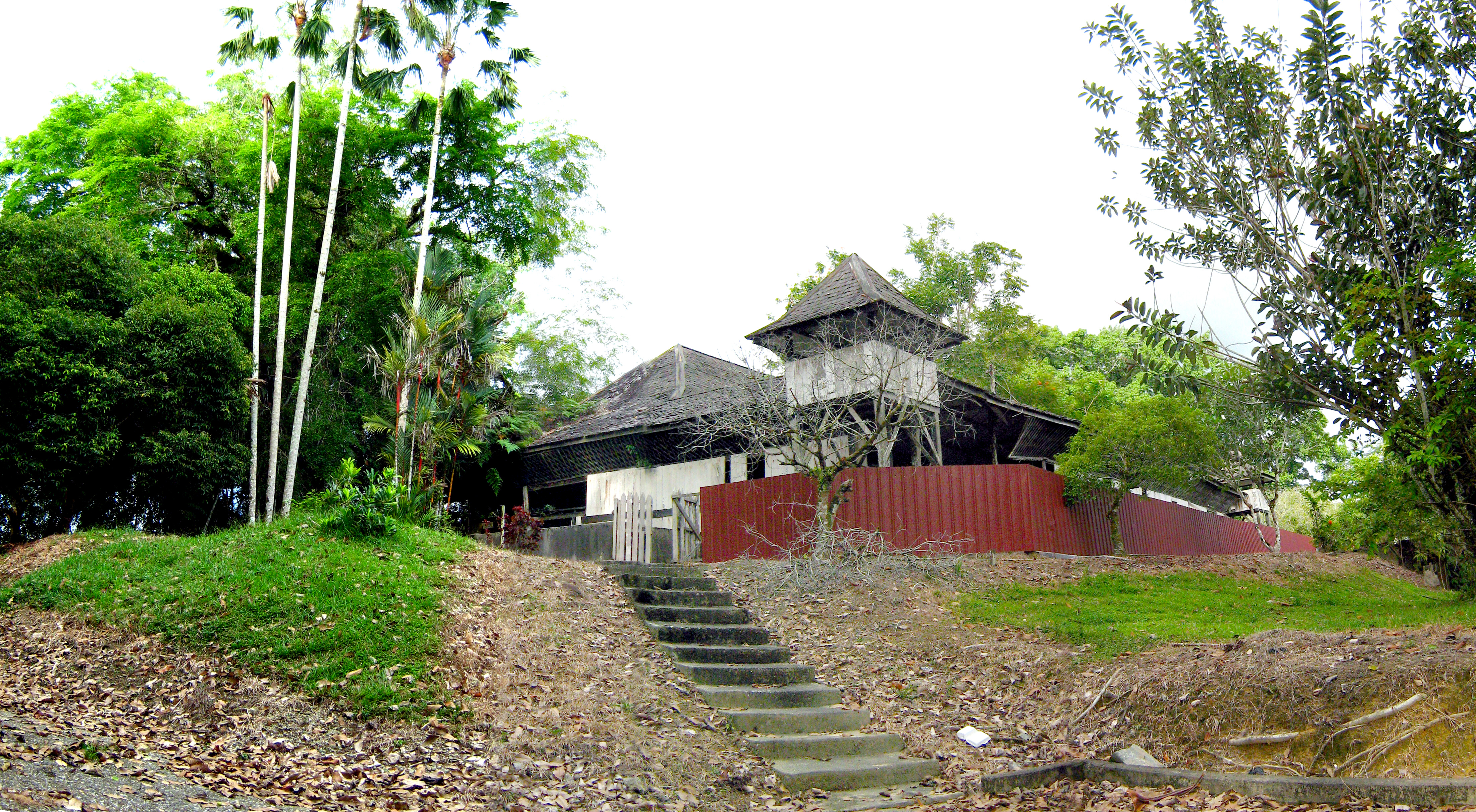
Sri Aman is basically famous for three things - Fort Alice,
Benak and the Mount Hosanna Chapel.
The town of Simanggang was
established in 1849 and served as a fort
and an administrative centre for the Raja Brook government.
The first Resident of Simanggang
was James Brooke.
In 1849, the Raja of
Sarawak built a fort called James Fort at the mouth of Skrang River.
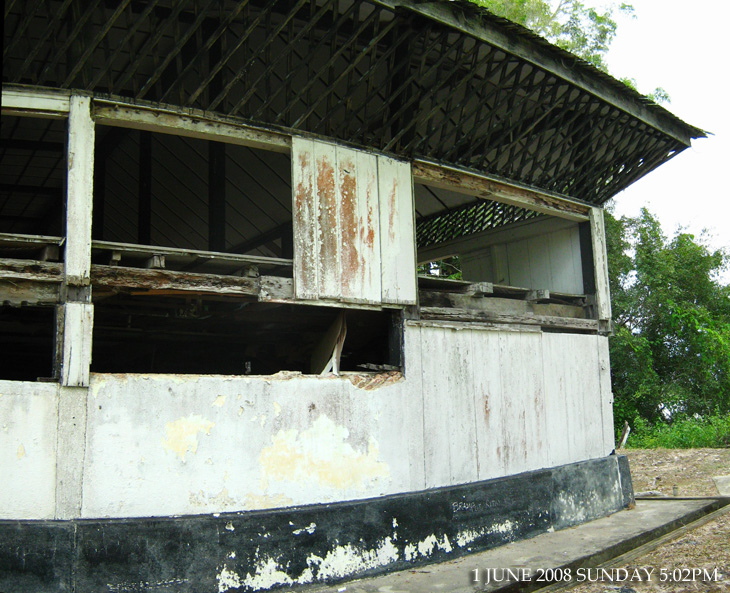
Alice Fort is a "fort" made of wood, a fort
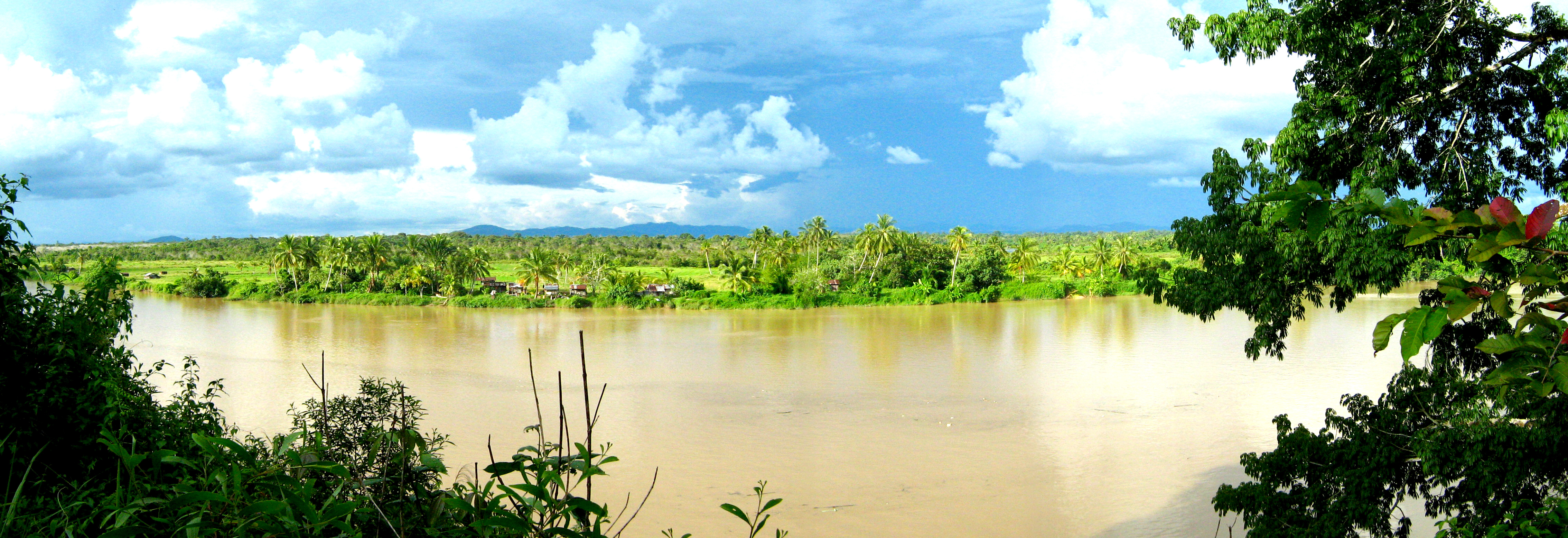
not meant to withstand ground attacks but attacks from the river below.
This is where Fort Alice outpost used to be mounted with cannons aimed at the river
which was the main mode of transport at that time.
The historical town of Sri Aman will soon have a
museum with the restoration of this Fort Alice
overlooking the Lupar River.
Fort Alice has been identified as one of the heritage sites to be promoted as a
tourism product and as a cultural centre.
Restoration work will commence soon as funds are available.
In the museum, visitor
will be able to see the peace treaty signed by former Chief Minister Tun Abdul Rahman Yakub
and former communist leader Bong Kee Chok, which led to the surrender of the
communists in the 1970s.
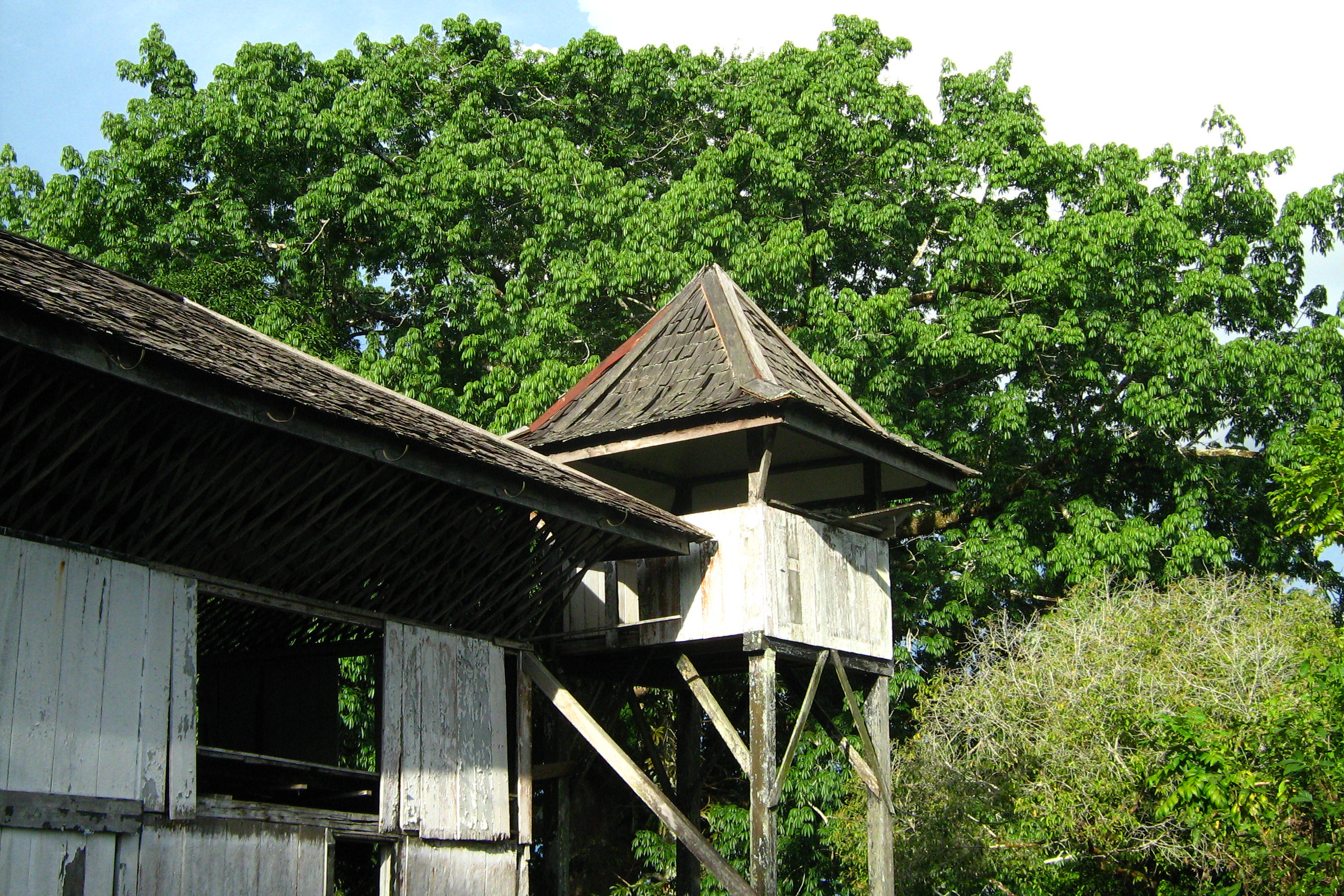
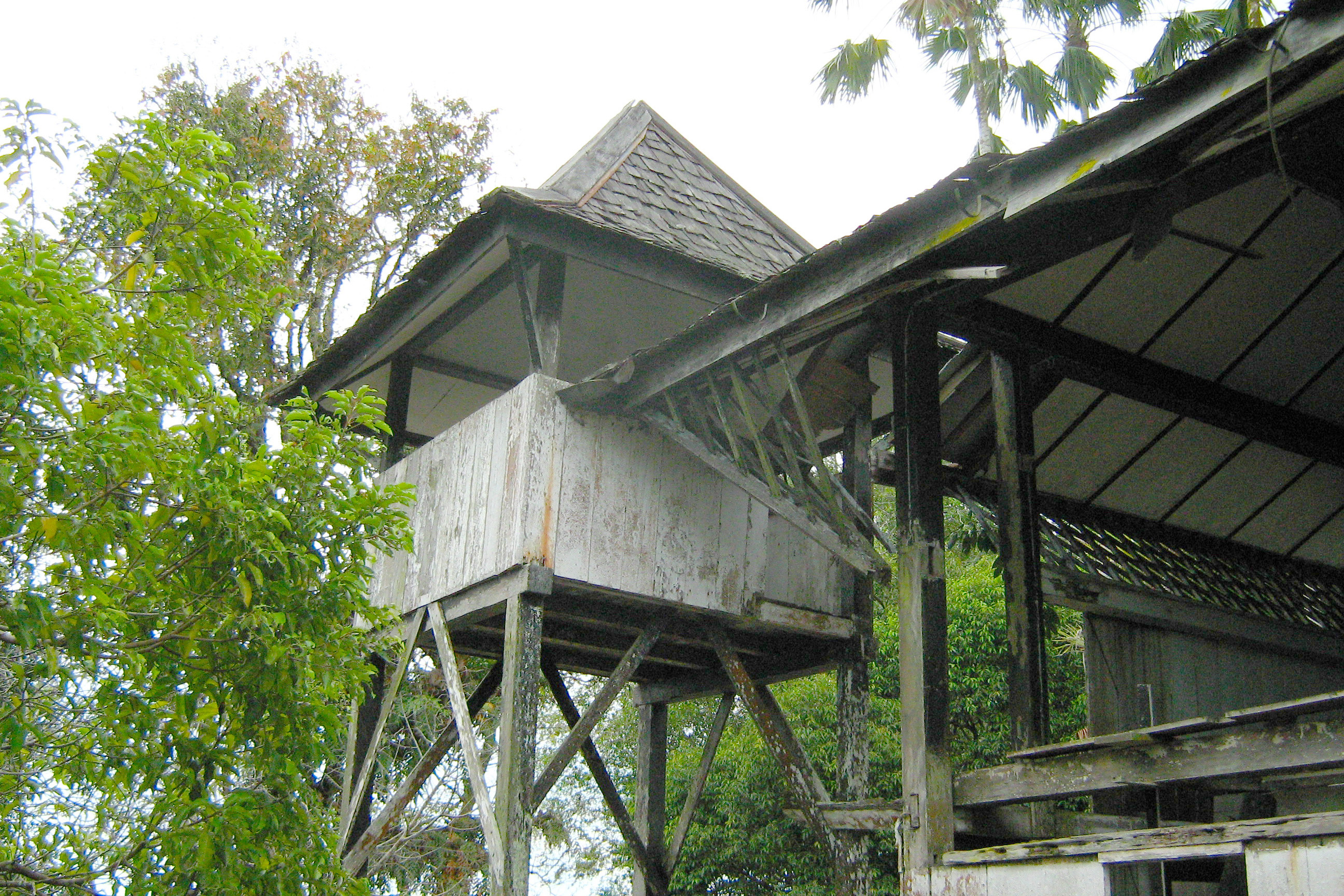
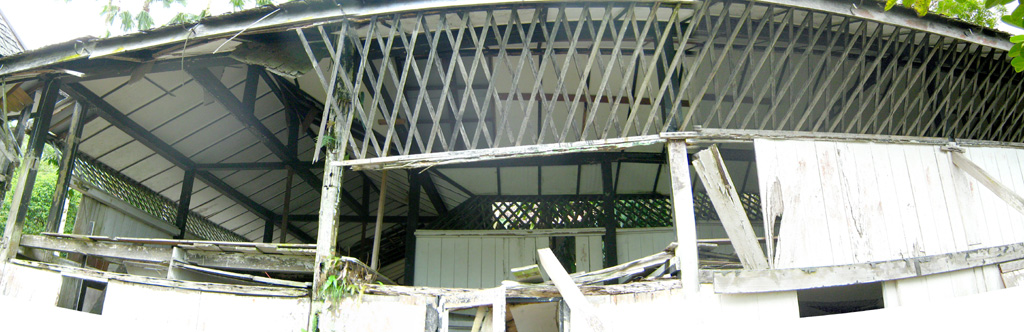
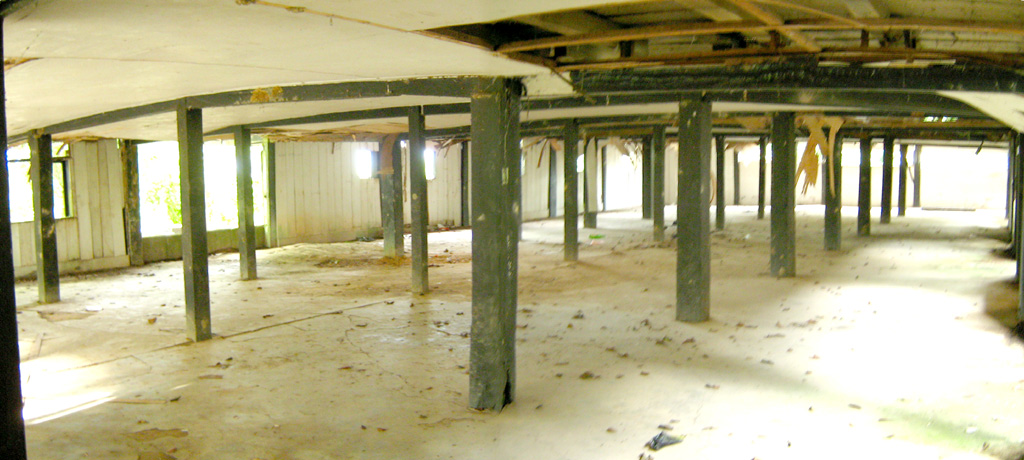
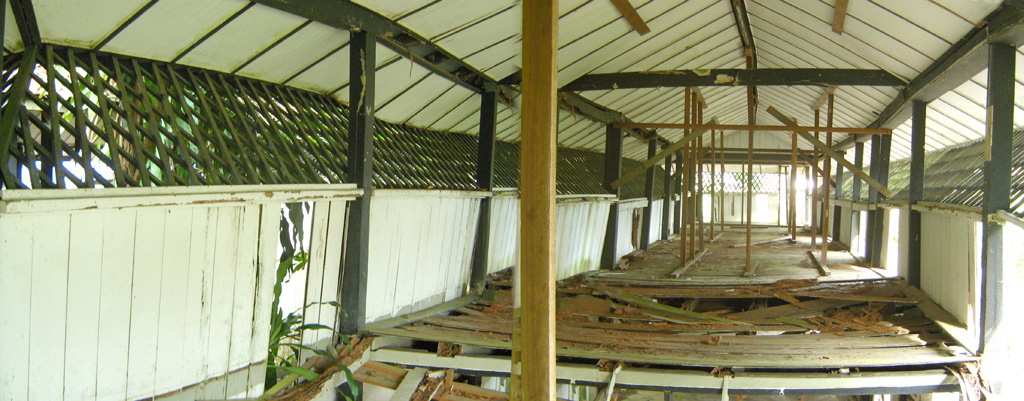
The picturesque fort is built entirely of belian (ironwood) timber with thick
walls to withstand attacks.
Fort Alice has a unique design. It is square, with a small tower at each
corner. It has an open centre courtyard, a drawbridge and a spiked iron
perimeter fence.
Fort Alice was built to prevent the Skrang Dayaks going down river to join the
Saribas Dayaks in their attacks on the coastal shipping trade.
It was also to prevent them undertaking head-hunting expeditions.
After defeating the last of the major Iban chieftains, Rentap, in 1861, White
Rajah Charles Brooke built Fort James in 1864 as a defensive structure
controlling the Lupar River.
In 1870 it was renamed after Brooke’s wife Ranee Margaret Alice Lili.
Over the years, the Fort served as a police station, community welfare
department, prison department, and other government departments.
Until 1964, a cannon was fired every day at 8pm sharp, signaling that the fort
was about to close and the day’s business with the Government was over.
A policeman would call out in Iban:
Oh Ha! Oh Ha! Oh Ha!
Jam diatu pukol lapan,
Tangga udah di-tarit,
Orang ari ulu,
Orang ari ili,
Nadai tahu niki kubu agi.
(Oh Ha! Oh Ha! Oh Ha!
The time is now eight o’clock,
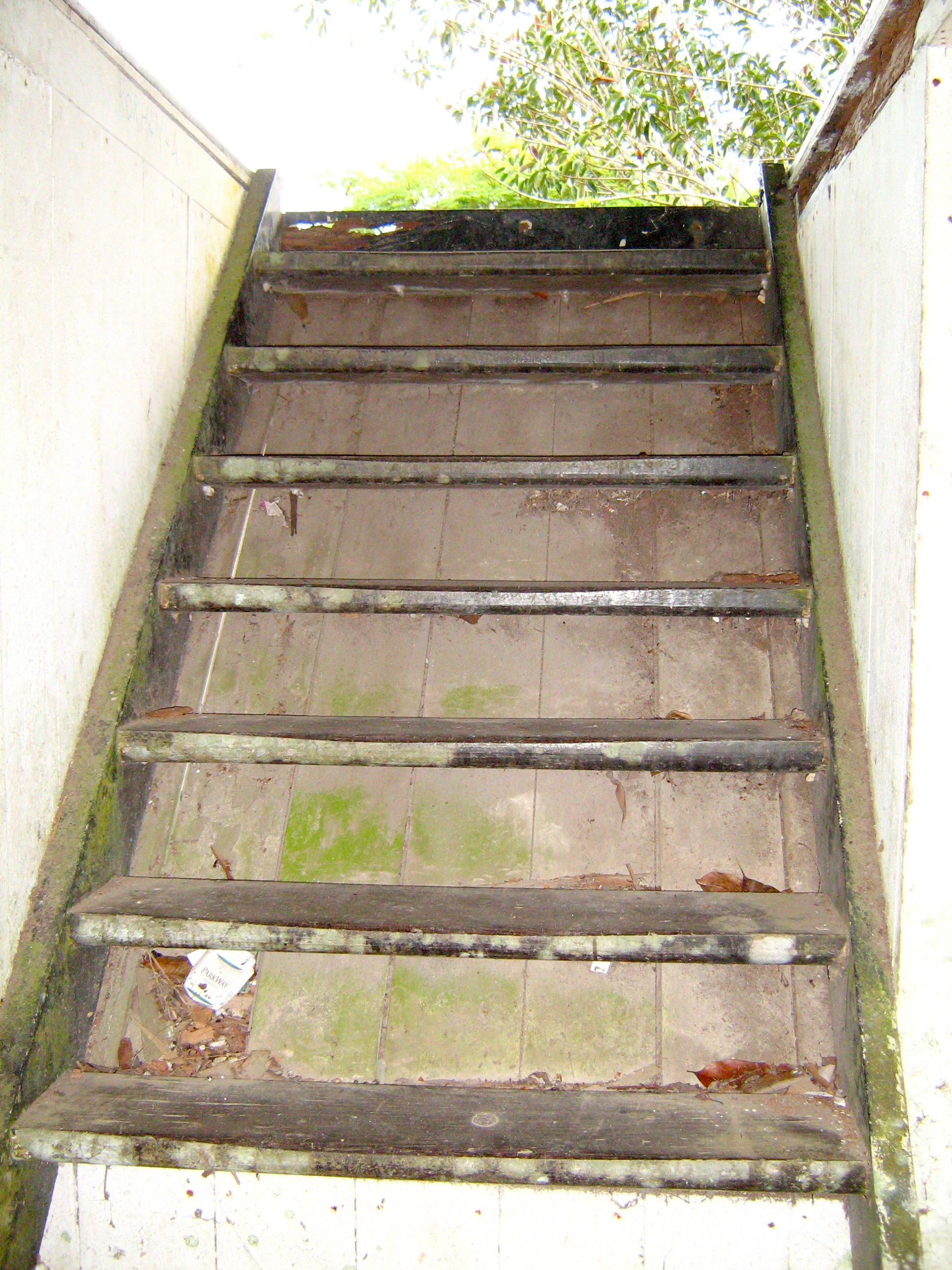
The steps have been drawn up,
People from up-river,
People from down-river,
Are not allowed into the fort.)
The fort was gazette as a Historical Monument in 1971, and is now under the
care of the Sarawak Museum.