Introduction
Tawau’s past does not exist in a single record. It survives through landscapes, documents, photographs, and stories remembered by families and communities. This section brings these fragments together to preserve the historical memory of Tawau.
How to Read Tawau’s History
History in Tawau is shaped by movement — along rivers, across seas, and between generations. Some stories are recorded in archives. Others live on through spoken memory or place-based knowledge. Each section in this hub reflects a different way the past has been remembered and understood.
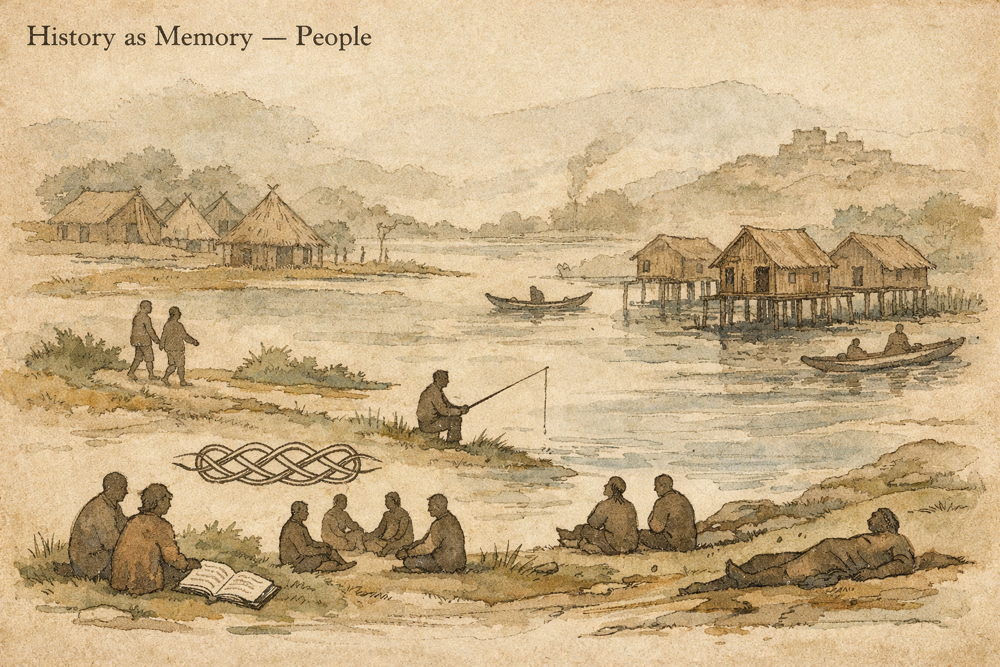
History as Memory
Beyond dates and events, history is also about how people experienced everyday life. Memory connects land, work, belief, and family across time. This collection treats history as a living record shaped by both documentation and remembrance.
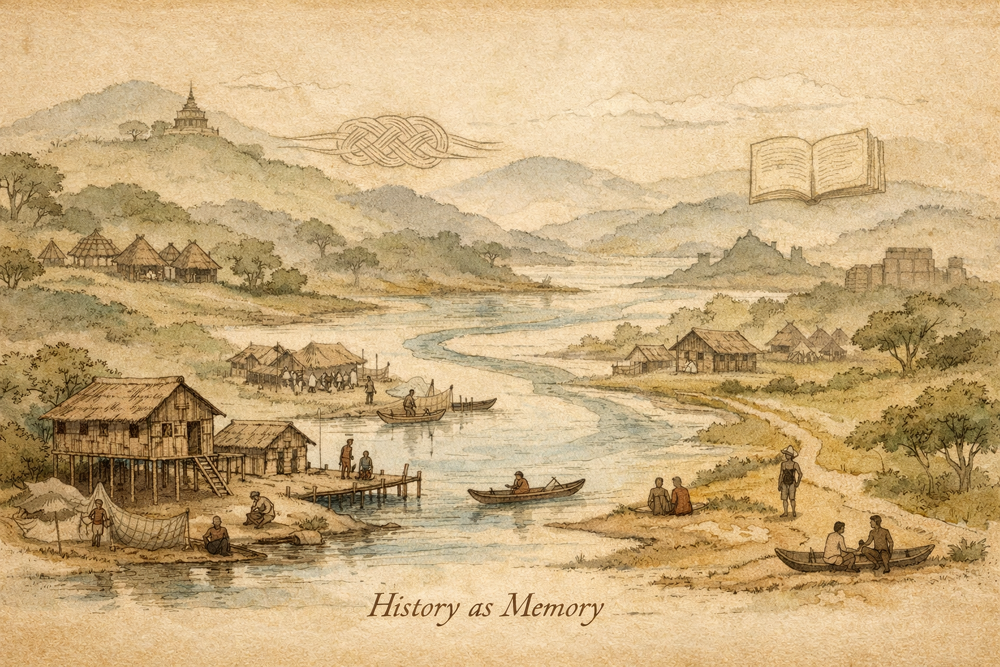
Pre-Colonial Tawau
Before colonial administration, Tawau was shaped by indigenous communities, river systems, and regional trade routes. Settlement patterns followed the natural landscape, linking people closely to land and sea. These foundations continue to influence cultural practices and place names today.
Colonial & Wartime History
Colonial administration and wartime events brought major transformations to Tawau. New economic activities, population movements, and urban development reshaped the town. Records from this period reveal both growth and disruption in everyday life.
Oral Histories
Not all history appears in written records. Oral histories preserve personal experiences, family knowledge, and community memory. These stories offer perspectives that complement official documents and timelines.
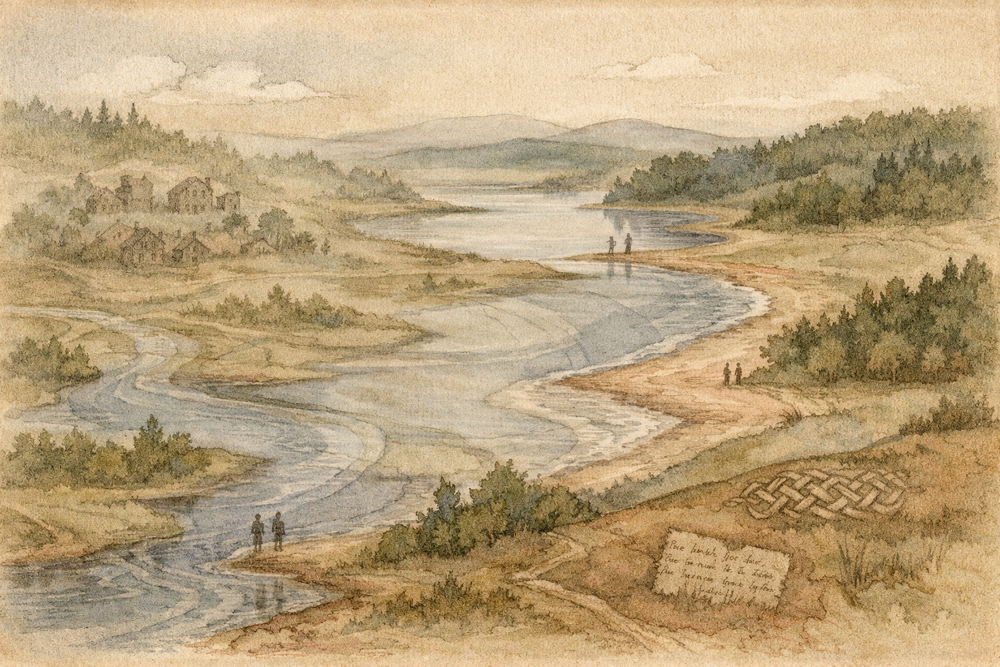
Forgotten Places
Some places once central to Tawau’s daily life are slowly fading from memory. Changing landscapes and development have left certain sites unmarked and undocumented. Recording these places helps preserve connections between people and place.
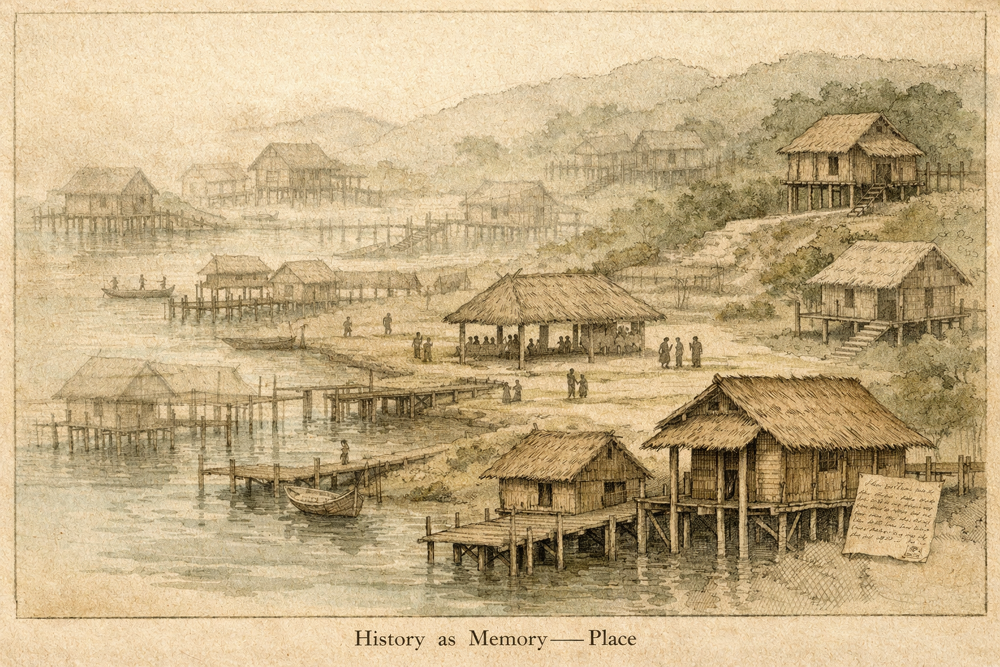
Why History & Memory Matter
Understanding the past helps explain how Tawau became what it is today. Preserving memory safeguards stories that might otherwise disappear. This collection aims to support awareness, continuity, and shared understanding.