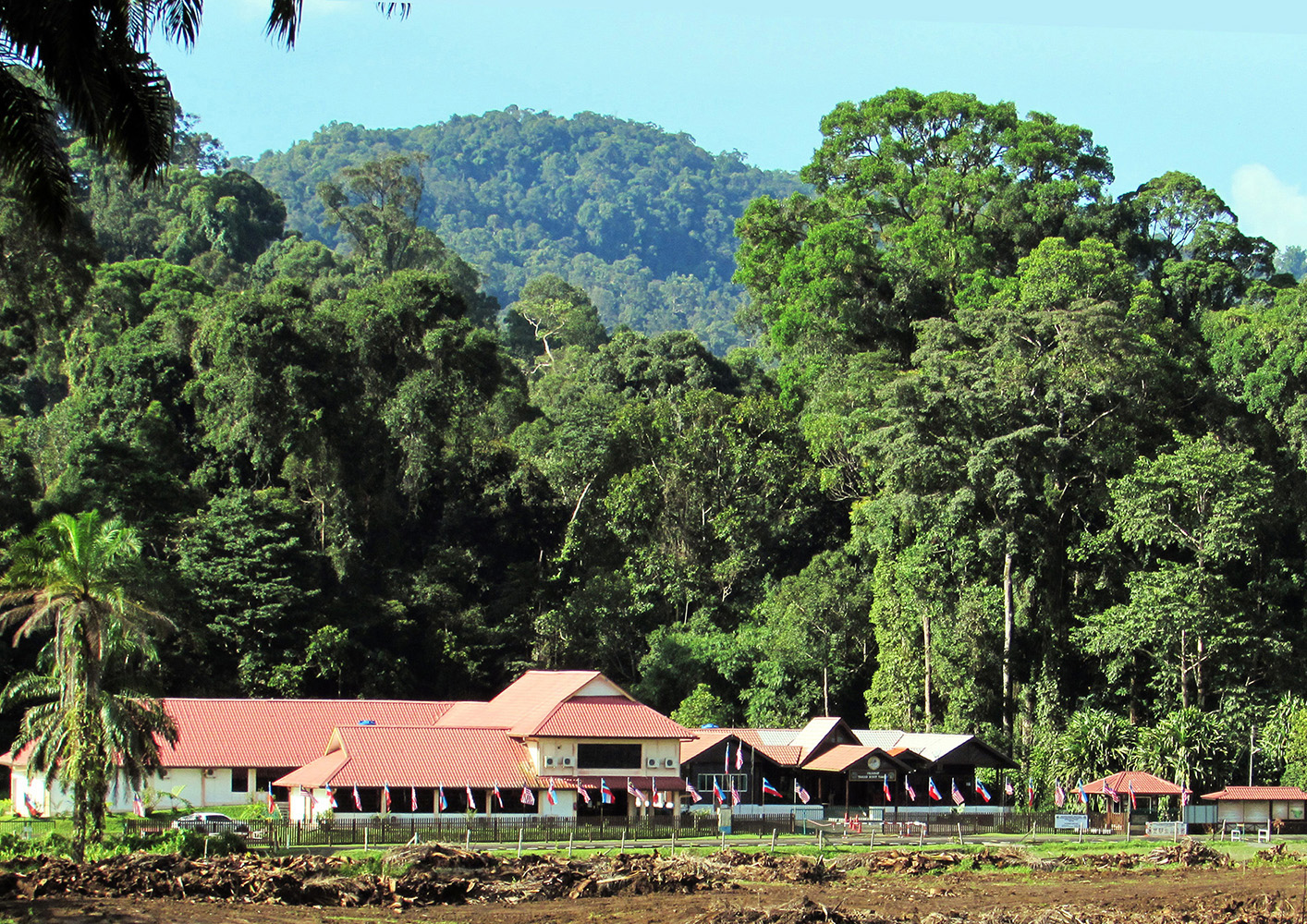
Location and Landscape
Tawau Hills Park is one of the most important inland protected areas in the Tawau region of Sabah, Malaysian Borneo. Located only a short distance from Tawau town, the park protects a large tract of forested hills, volcanic landscapes, and freshwater systems that play a critical role in supporting both biodiversity and human life in the surrounding lowlands.
Established to conserve forest ecosystems and safeguard water resources, Tawau Hills Park represents the natural backbone of inland Tawau. It is not only a refuge for wildlife, but also a living classroom where geology, ecology, and conservation intersect.
Tawau Hills Park lies inland from the coastal plain of Tawau, rising gradually into forested hills and ridges. The terrain is shaped by ancient volcanic activity, resulting in a landscape of rolling hills, rocky outcrops, waterfalls, and geothermal features.
The park’s elevation creates cooler and wetter conditions compared to nearby lowlands, allowing diverse forest types to thrive. These hills form a natural green barrier that protects the surrounding environment from erosion and flooding.
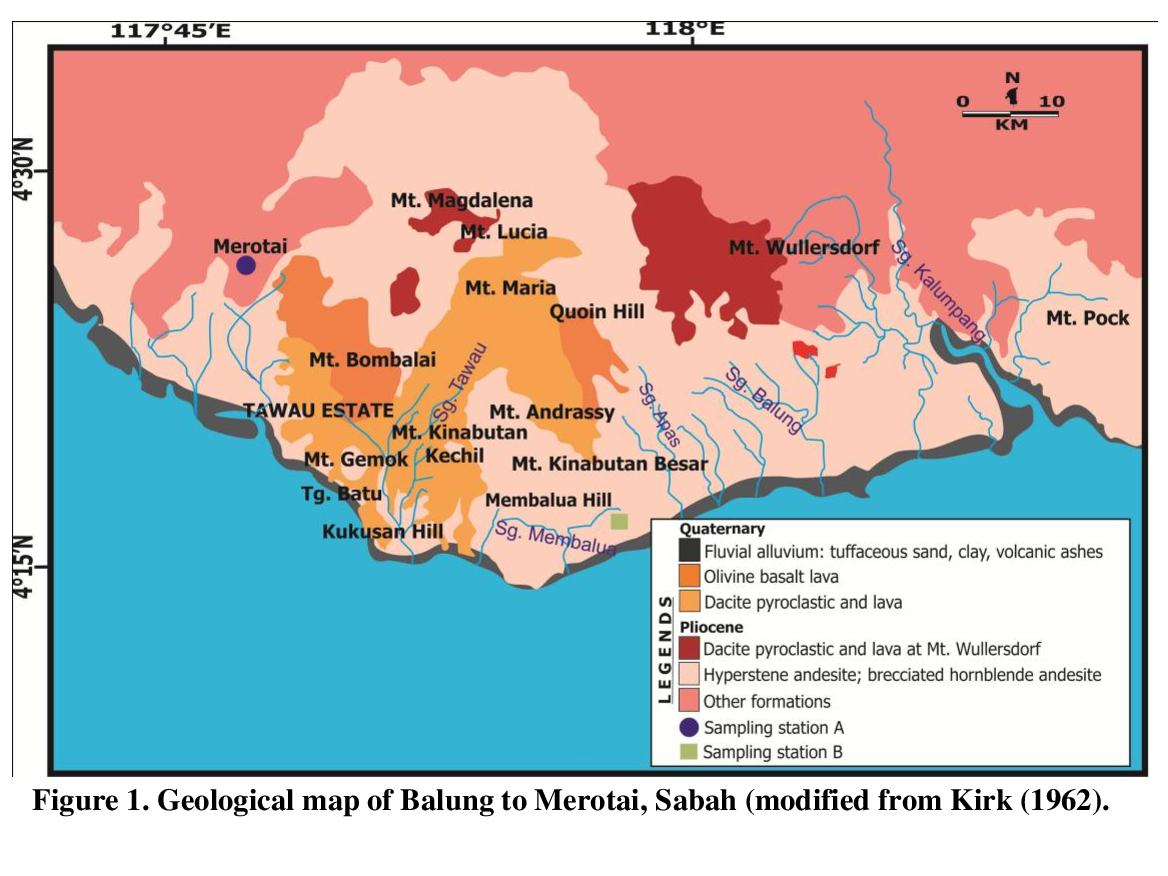
One of the defining features of Tawau Hills Park is its volcanic origin. The area is part of a broader volcanic field that shaped much of eastern Sabah millions of years ago.
Key geological features include:
These geological characteristics influence soil fertility and vegetation patterns, making the park an important site for understanding the natural history of Tawau.
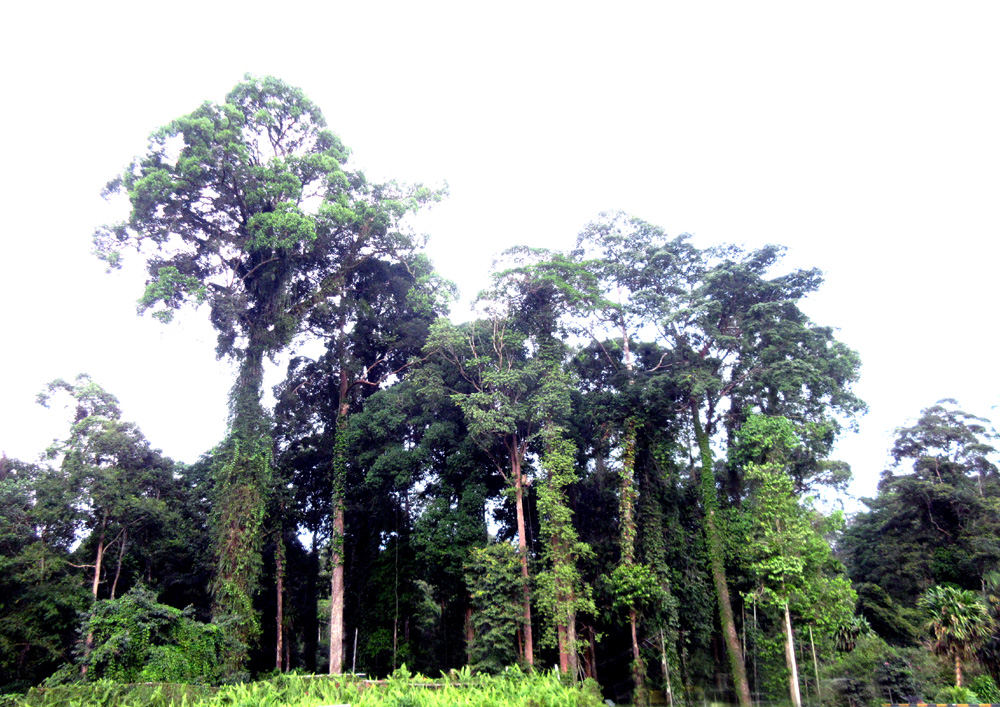
The park is dominated by lowland tropical rainforest, with gradual transitions toward hill and lower montane forest at higher elevations. These forests are dense, layered, and rich in plant diversity.
Major ecosystem functions include:
Towering dipterocarp trees, thick undergrowth, lianas, and epiphytes create complex habitats that support a wide range of animal life.
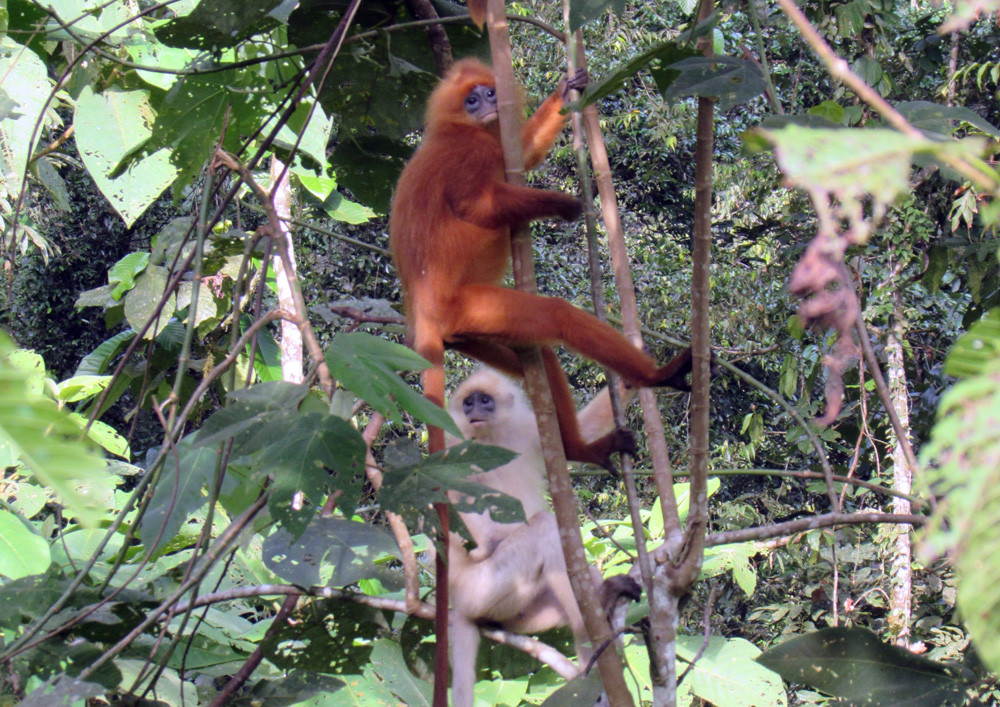
Tawau Hills Park serves as an inland refuge for many of Sabah’s forest-dependent species. While animals are often elusive, the park provides essential shelter, feeding grounds, and movement corridors.
Species known or expected to occur in the park include:
By maintaining intact forest cover, the park helps sustain wildlife populations beyond its boundaries, supporting regional biodiversity.
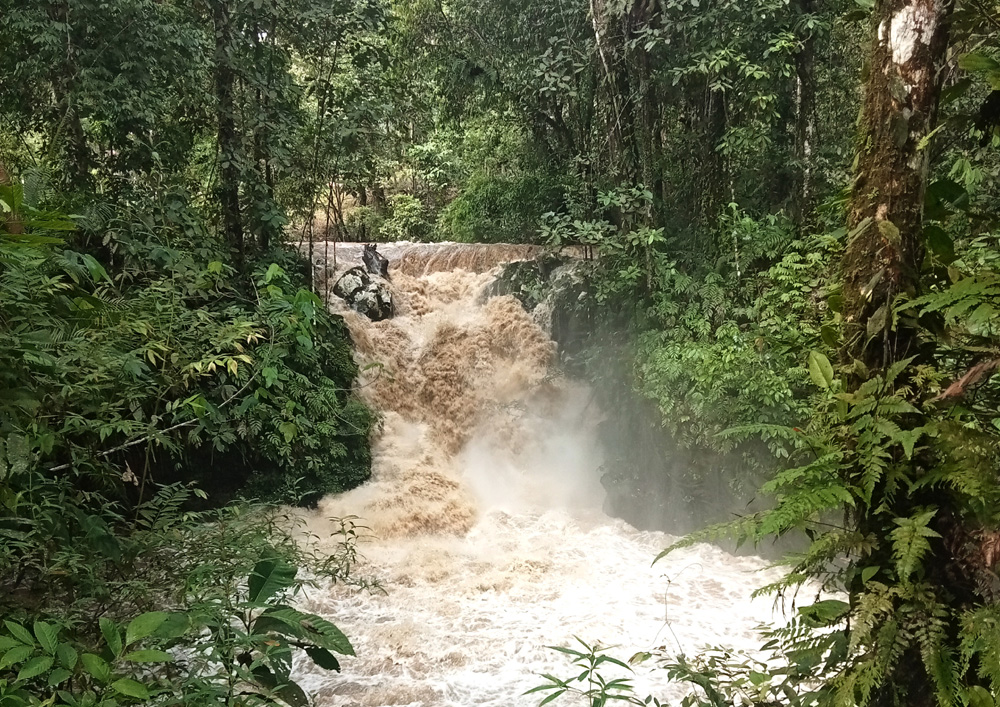
One of the most critical functions of Tawau Hills Park is water protection. Streams originating within the park supply clean water to surrounding areas, including Tawau town.
Healthy forest cover ensures:
In this way, the park directly supports human well-being, agriculture, and urban life.
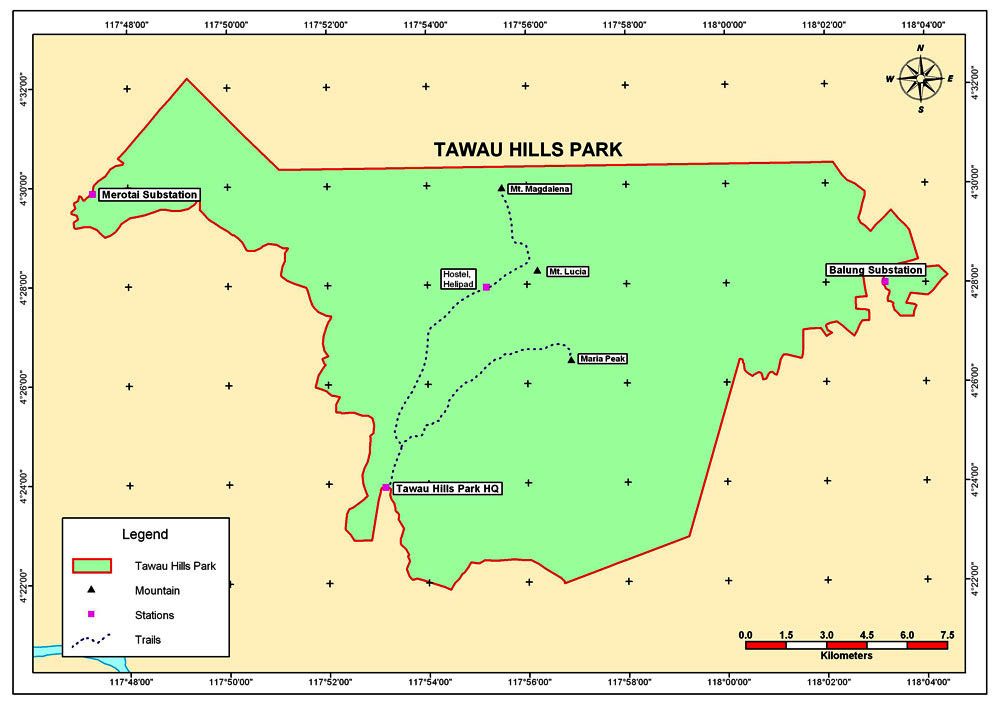
Tawau Hills Park is protected to preserve both natural ecosystems and essential environmental services. However, like many protected areas, it faces ongoing challenges such as land-use pressure around its borders and the broader impacts of climate change.
Conservation priorities include:
The park plays an important role in demonstrating how conservation benefits both nature and people.
For residents of Tawau, the park is more than a forest reserve. It represents a source of water, a natural heritage site, and an important space for education and recreation.
By protecting Tawau Hills Park, the community helps ensure long-term environmental stability and preserves a living connection to the region’s natural origins.
Distinguishing Uniqueness of Tawau Hills Park
Tawau Hills Park is distinguished by its ancient volcanic foundation and its record-breaking dipterocarp forest, offering a more rugged and budget-friendly alternative to Sabah’s famous private reserves like Danum Valley.
Volcanic Geology: Unlike many other parks in Borneo, Tawau Hills sits on
a rugged volcanic landscape featuring extinct volcanoes such as Mt. Magdalena
and Mt. Lucia. This volcanic past fuels the park’s natural sulfur hot
springs and nutrient-rich soil that supports massive plant growth.

World’s Tallest Tropical Trees: The park is home to some of the world’s
tallest recorded tropical trees, specifically the Yellow Meranti (Shorea
faguetiana), with some specimens reaching heights of approximately 96.9 to 100.8
meters.

Rare Flora & Endemics: It is the only place in Sabah (besides Tenom)
where the Elephant-Ear Orchid (Phalaenopsis gigantea) is found. It also houses
over 150 species of orchids and carnivorous pitcher plants.
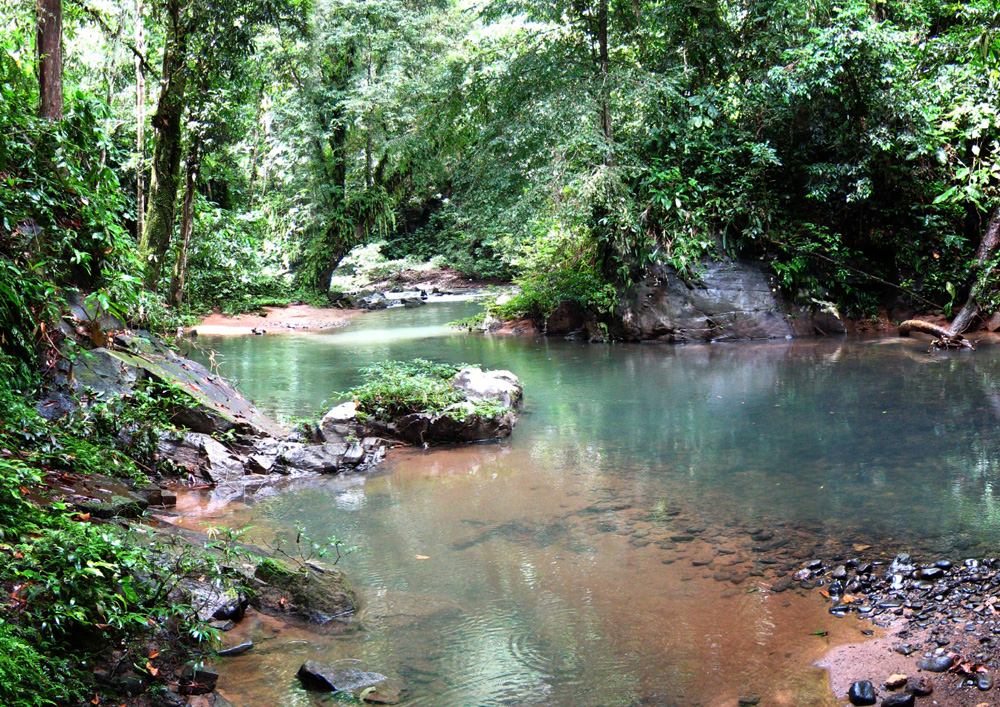
Water Catchment Hub: The park acts as a vital water catchment for the
Semporna Peninsula, with at least 7 major rivers originating here, resulting in
spectacular natural features like the Table Waterfall and Gelas Waterfall.
Distance from Tawau Airport
The park is approximately 45 km to 50 km from Tawau Airport (TWU).
Prominent NGOs collaborate with Sabah Parks to protect Tawau Hills Park (THP). Their projects focus on reforestation, wildlife corridors, and educational outreach.
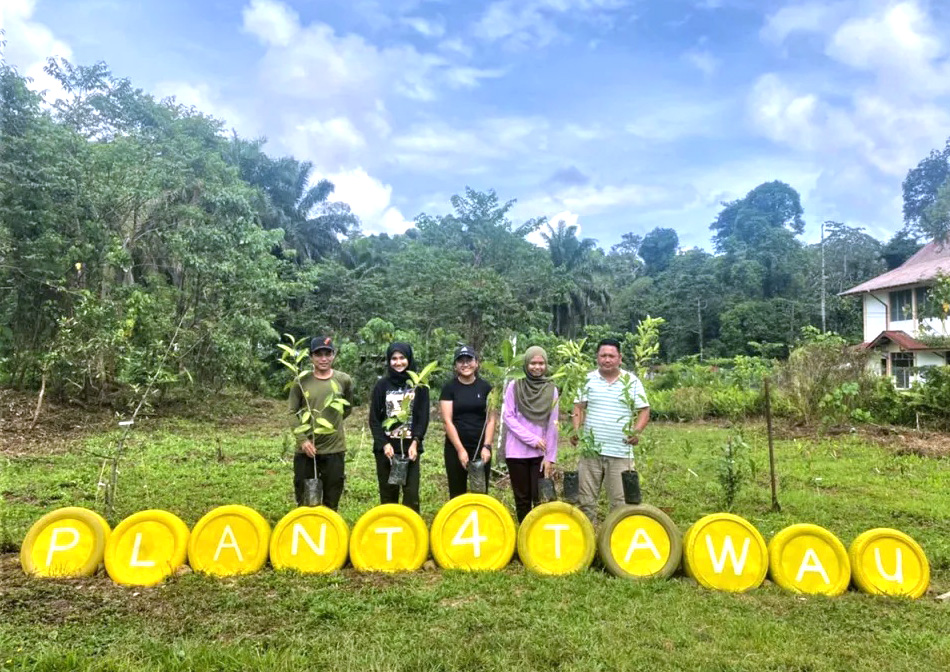
1. 1StopBorneo Wildlife
This is one of the most active local NGOs within the Tawau Hills Park.
Reforestation Initiatives: They have spearheaded
the planting of thousands of trees, including over 1,200 fig trees and flowering
plants, to transform degraded land into "oases" for wildlife like hornbills and
gibbons.
Feeding Infrastructure: They constructed
specialized feeding fences (100-foot and 176-foot) specifically for Red Leaf
Monkeys.
Educational Publications: The group published
the Field Guide to Tawau Hills Park and the Fun Facts Hornbills of Borneo book
to enhance scientific awareness for students and tourists.
Wildlife Corridors: They work with local
plantations to establish corridors that allow elephants and other animals to
move safely between THP and nearby reserves.
2. WWF-Malaysia (Sabah Landscapes Programme)
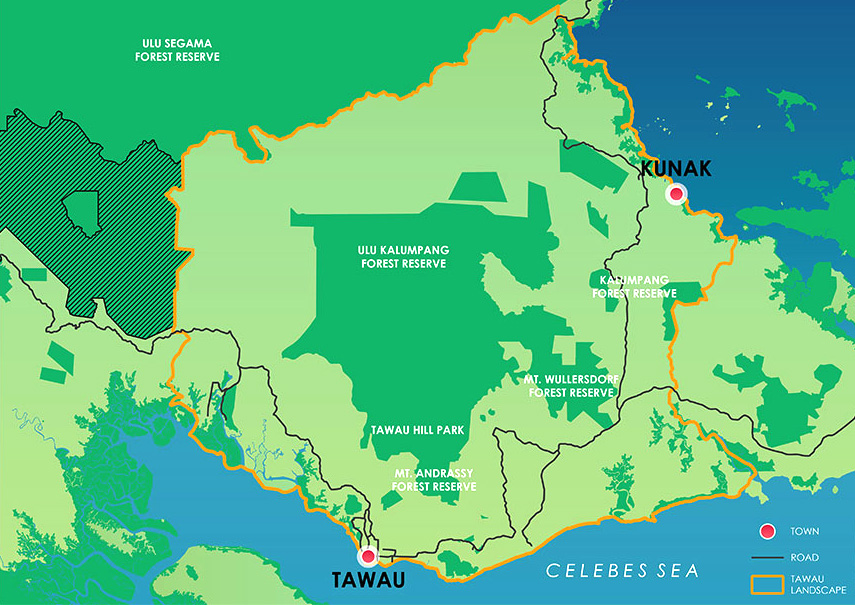
WWF-Malaysia manages the broader Tawau Landscape, which uses THP as its
central hub.
Protect, Produce, Restore (PPR): Their 2026
strategy focuses on protecting the park's core while restoring riparian reserves
and ecological corridors on the park's fringes.
Connectivity Achievements: In collaboration with
Sabah Softwoods Berhad, they successfully established a 14-kilometer wildlife
corridor (1,076 hectares) that links THP to the Ulu Kalumpang and Mt. Louisa
forest reserves, significantly reducing human-elephant conflict.
3. Lions Club of Tawau
While primarily a service organization, they function as a supporting NGO
for environmental projects.
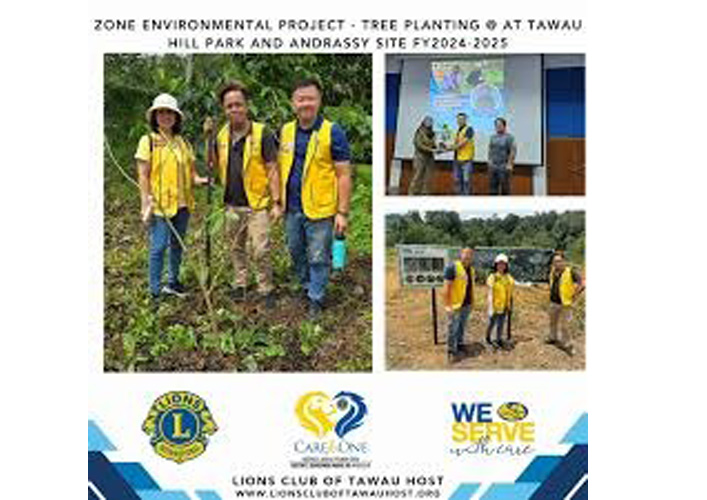
Project Sponsorship: They provide the funding
and logistics for major reforestation events, including sponsoring trees,
transport, and educational signage within the park.
4. Bringing Back Our Rare Animals (BORA)
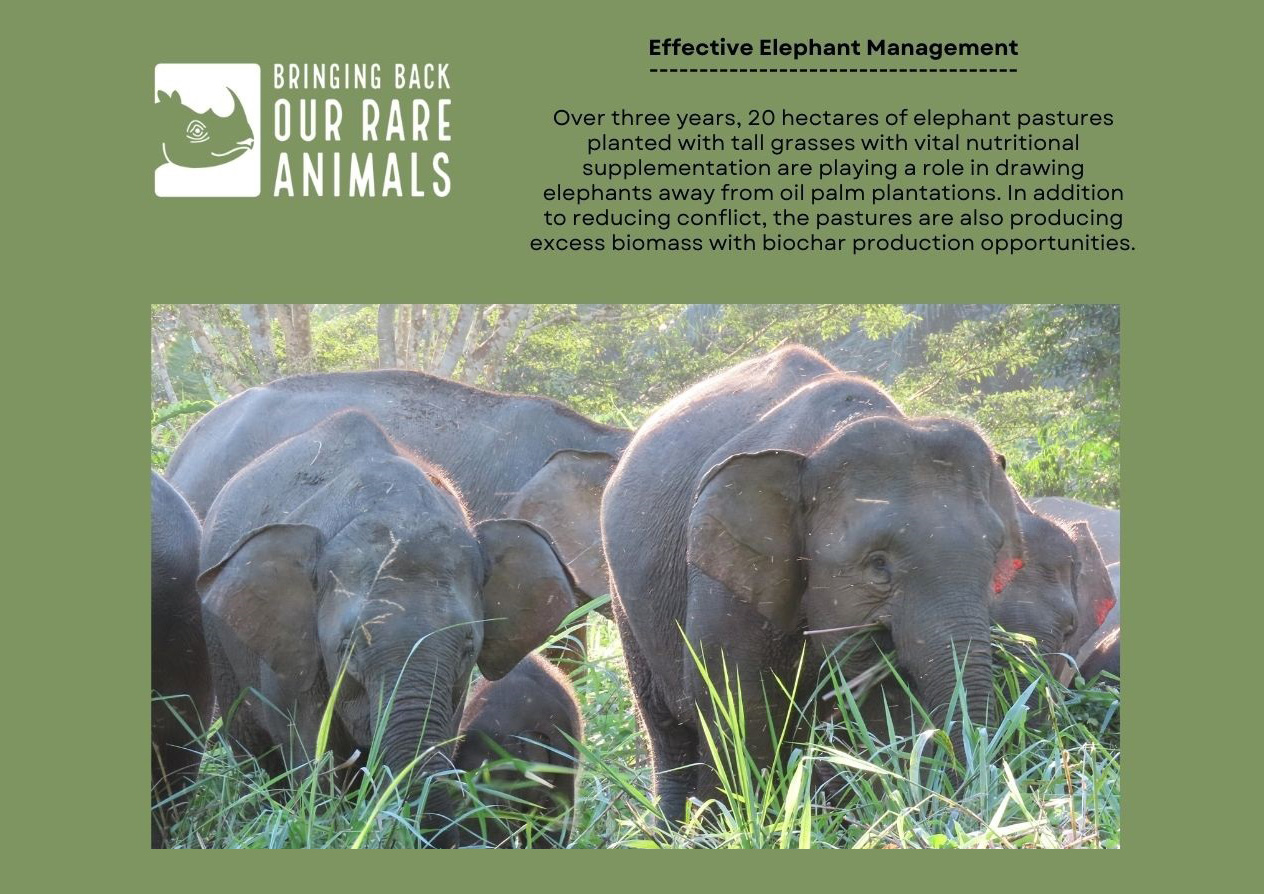
Food Security for Wildlife: BORA contributes healthy, high-quality saplings for reforestation projects to ensure a sustainable food supply for the park’s rare mammals.
Within the UNDERSTANDING TAWAU SERIES, Tawau Hills Park serves as a key inland reference point, linking:
Together with coastal and marine sites, the park completes the picture of Tawau as a region shaped by both land and sea.
This page is part of the UNDERSTANDING TAWAU SERIES, an educational initiative exploring the natural, cultural, and environmental foundations of Tawau in the East Cost of Sabah.