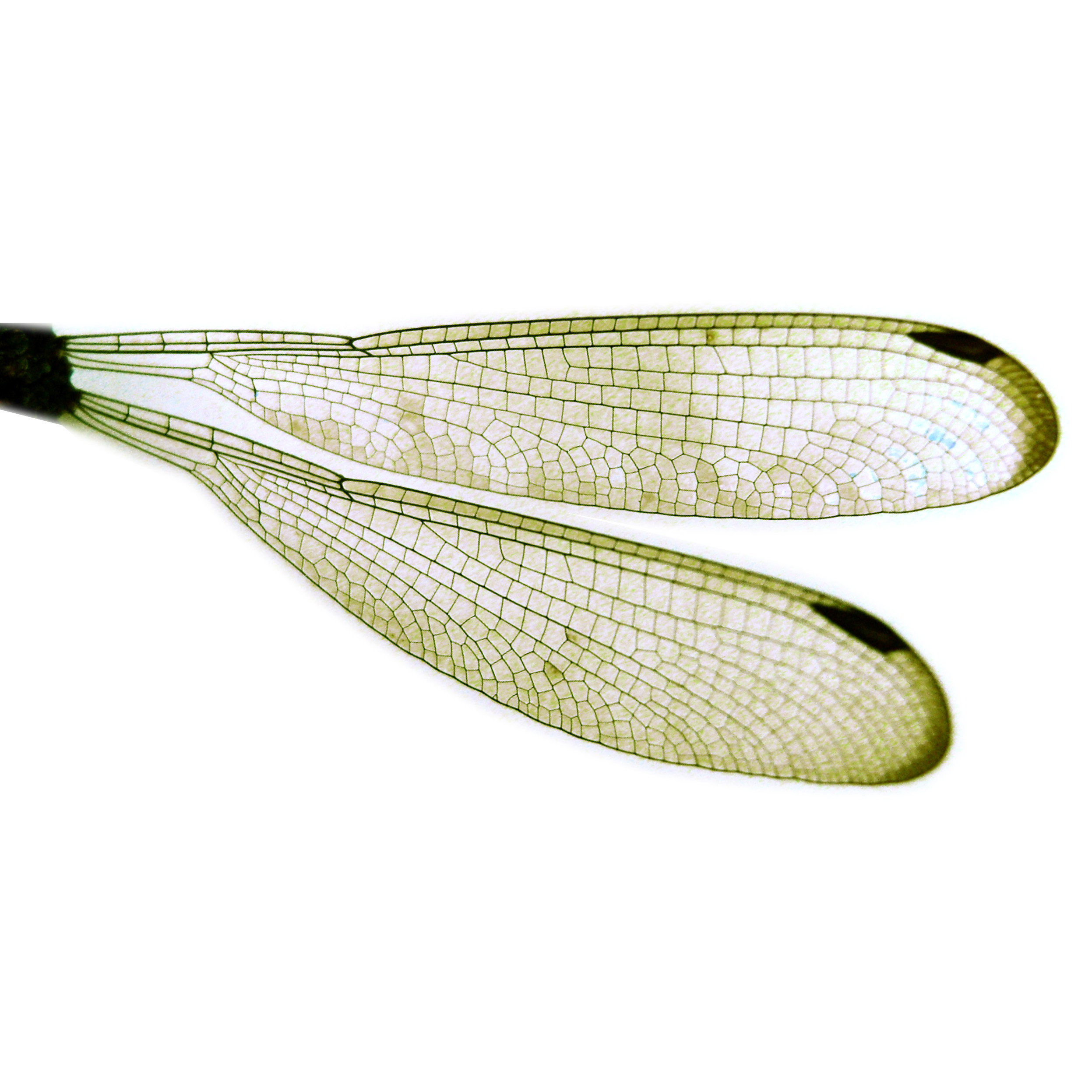
Thorax: Most of propleuron and pronotum black, with pale lateral marks on anterior pronotal lobe and rear of middle pronotal lobe, bronzy brown area centrally on posterior pronotal lobe. Dorsum of synthorax matte black with pair of small pale marks in antealar triangle and small pale mark between arms of anterior bifurcation of middorsal carina. Synthorax laterally with pale marks as follows : 2 short streaks along lower side of mesopleural suture, longer streak under interpleural suture for almost its entire length, a larger subtriangular area and smaller mark under metapleural suture. Area between metapleural carina and venter brown. Venter of synthorax largely pale. Legs brownish grey, with indistinct darker and paler areas. White pruinosity sparsely present on coxae and adjacent parts of pro- and synthorax and venter of synthorax. Wings with arculus ca level of Ax 5, quadrilateral with two crossveins, cubito-anal space free in all wings, pt dark brown. Membrane with brownish tint, darker at extreme tips of both wings. |
 |
 Head . Labium mostly pale. Mandible bases, genae shining dark brown. Labrum, clypeus, frons and vertex to level of lateral ocelli black with metallic green reflection, remainder of dorsum of head matte black with indistinct brown area to rear; underside extensively pale. Antennae almost entirely black. |
 Body length 41mm Abdomen: Black above and very dark brown laterally, becoming almost entirely black on terminal 3 segments, S 3–8 with a broad pale basal ring, widely interrupted dorsally. Genital ligula typical for the group, seminal vesicle pale. Anal appendages dark brown. Paraprocts extremely short. Cerci longer than S 10, in dorsal view broad at base, narrowing rather abruptly at ca one-quarter of their length from base, in-turned at less than a right angle at half length, apical half moderately expanded. Interiorly deeply excavated from point where narrows in dorsal view to tip, brown inside excavation. |
 |
 |
 Body length 41mm Front wing length 28mm |
 |