Face of a male Cratilla Lineata
Last Updated on Wednesday, 21 June, 2023 07:32:14 PM
INDEX > Dragonflies of Borneo > Family Libellulidae > Genus Cratilla
Family Libellulidae
Genus Cratilla
In Borneo, the Genus Cratilla is represented by two common species with
robust build and deep metallic-green ground color on the thorax:
1- Cratilla Lineata
2- Cratilla Metallica
1- Cratilla Lineata
Face of a male Cratilla Lineata
Cratilla lineata lacks the dark tips to the wings. It is found in the same
situations as Cratilla metallica but is more common in all types of swamp
forests and closed forest.
Cratilla lineata Male Abdomen darker and narrower. Lineata occur in a wider
range of standing water forest habitats. Several sub species occur
throughout eastern tropical Asia
2- Cratilla Metallica
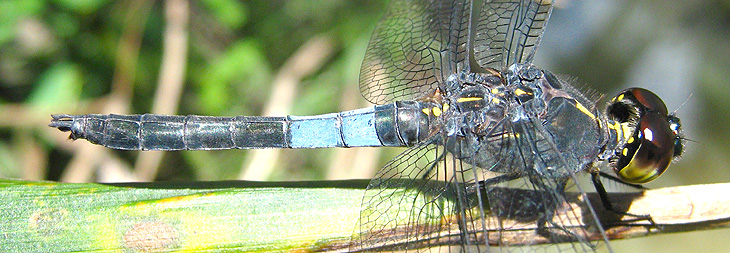
A male Cratilla Metallica
Cratilla metallica occurs in forest, mainly primary dipterocarp, from lowlands
up to 900 m, and breeds in small shallow pools which it frequently shares with
Indaeschna grubaueri, Males sometimes perch for long periods above such pools
awaiting females. Both sexes are immediately recognized by their relatively
large size (hw, 34-39 mm), heavy build and dark tips to the wings. The larvae of
Cratilla metallica are rather elongate for a libellulid. They are very
aggressive and take quite large prey including tadpoles. They will sometimes
survive in large buttress pans, generally following disturbance of the deep
humus layer, in which case they exclude Lyriothemis cleis and other species.
Cratilla metallica is bigger and stronger in build. And is brighter color then
Cratilla lineata
Male hw 36-38 mm. Recognized by dark wing-tips, slate blue on ab S3-4, and
metallic green thorax. Female hw 38 mm; ab + apps 29.5 mm; wings similar to S;
lacks ab blue; three yellow lines laterally on synthorax; ab relatively much
longer than Agrionoptera sexlineata $. Closed forests, 0-900 m. Breeds in
shallow forest pools and sometimes large phytotelmata. Widespread in tropical
Asia.
| 1 | 2 |
|
Cratilla
Lineata Common in all swamp forests and closed forest. Breeds instill forest drain. |
Cratilla
Metallica Primary dipterocarp forest, and breeds in small shallow pools including flooded tree holes. |
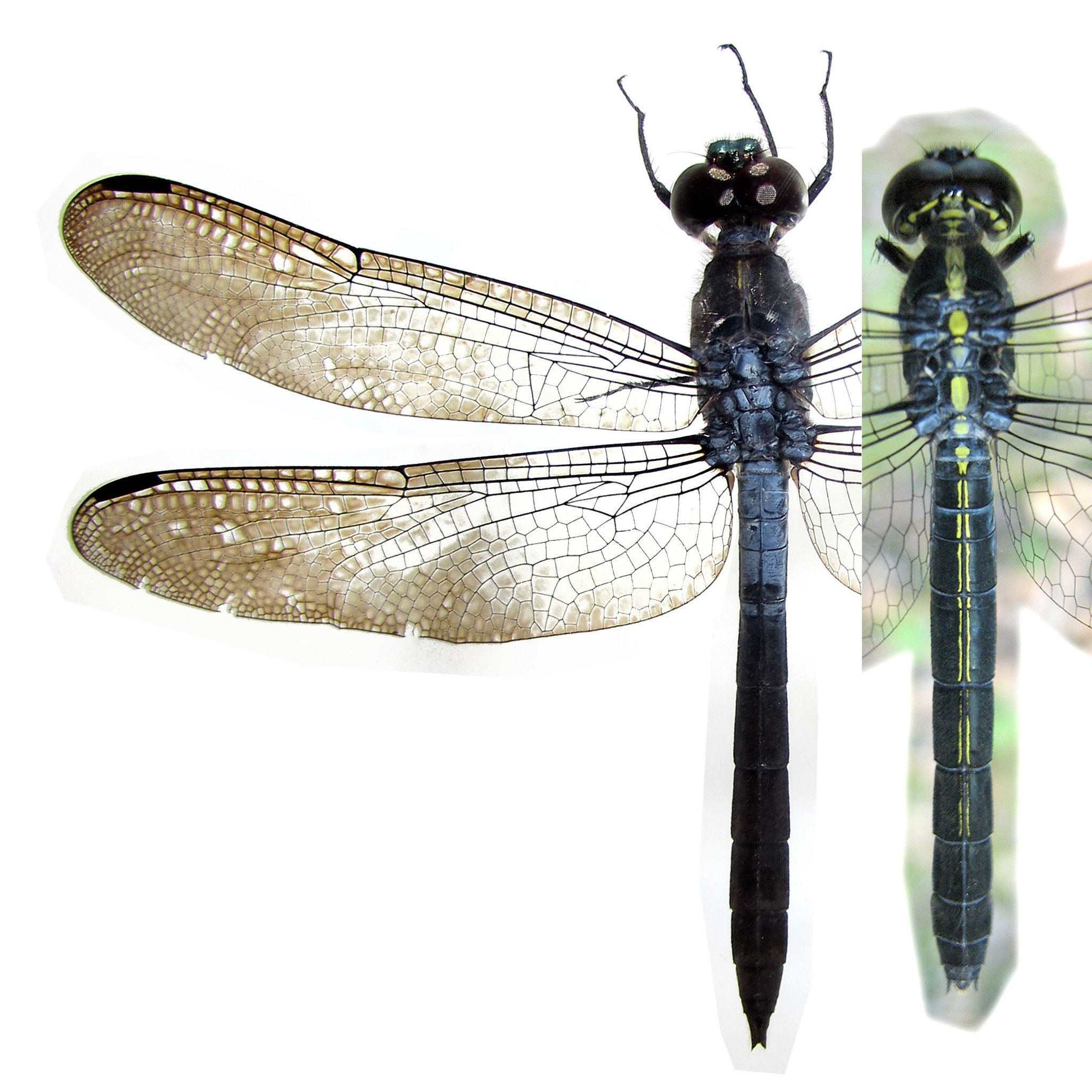 No dark tips to the wings |
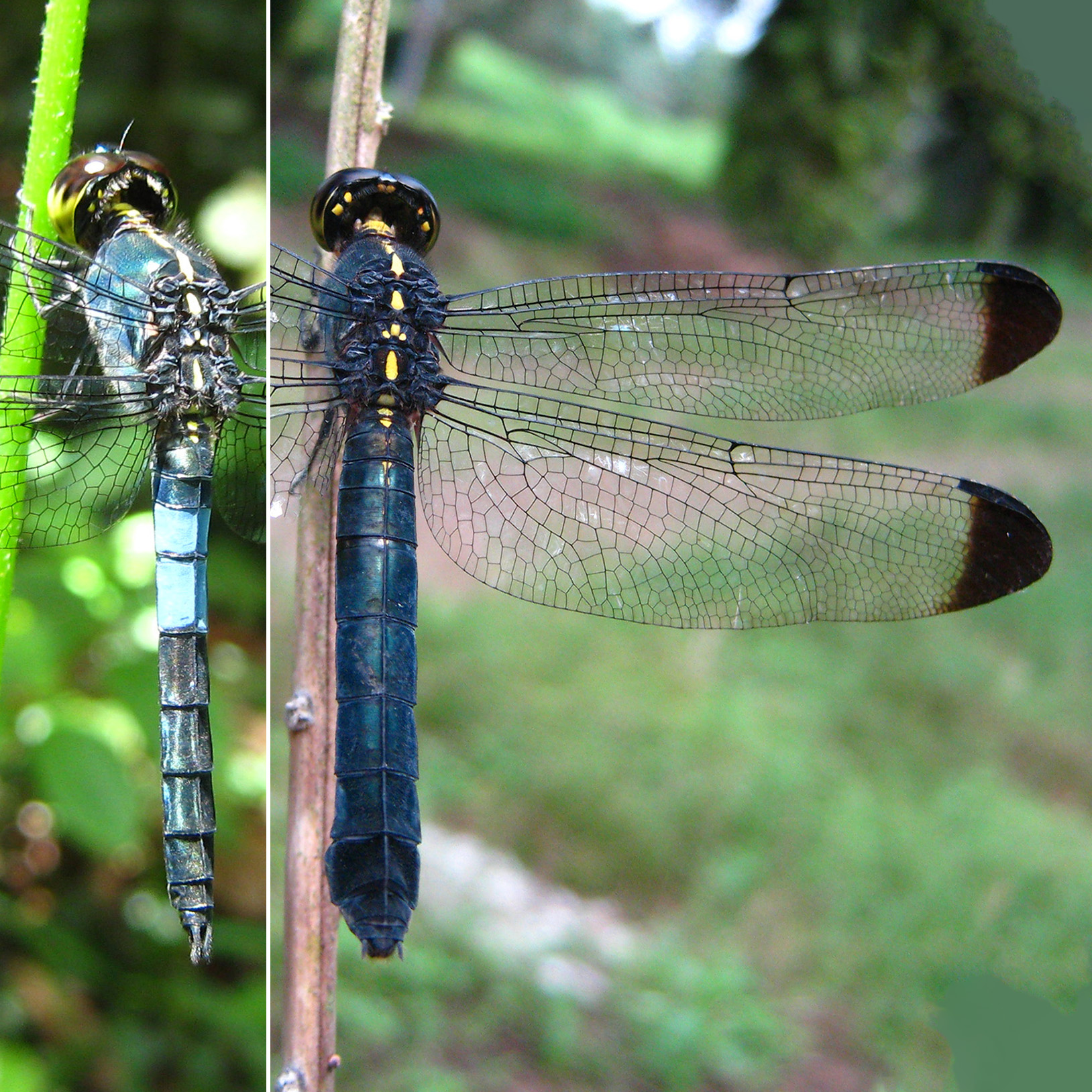 Dark tips to the wings |
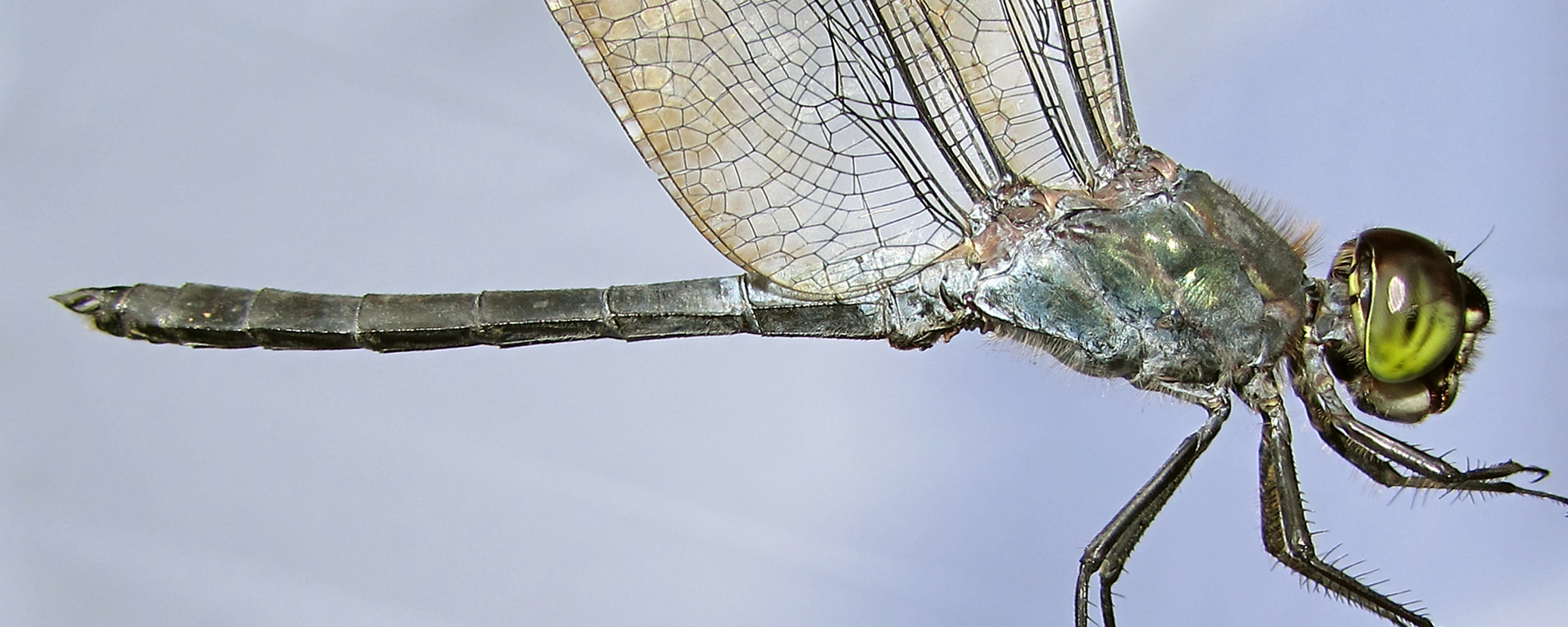 An aging male Cratilla Lineata |
|
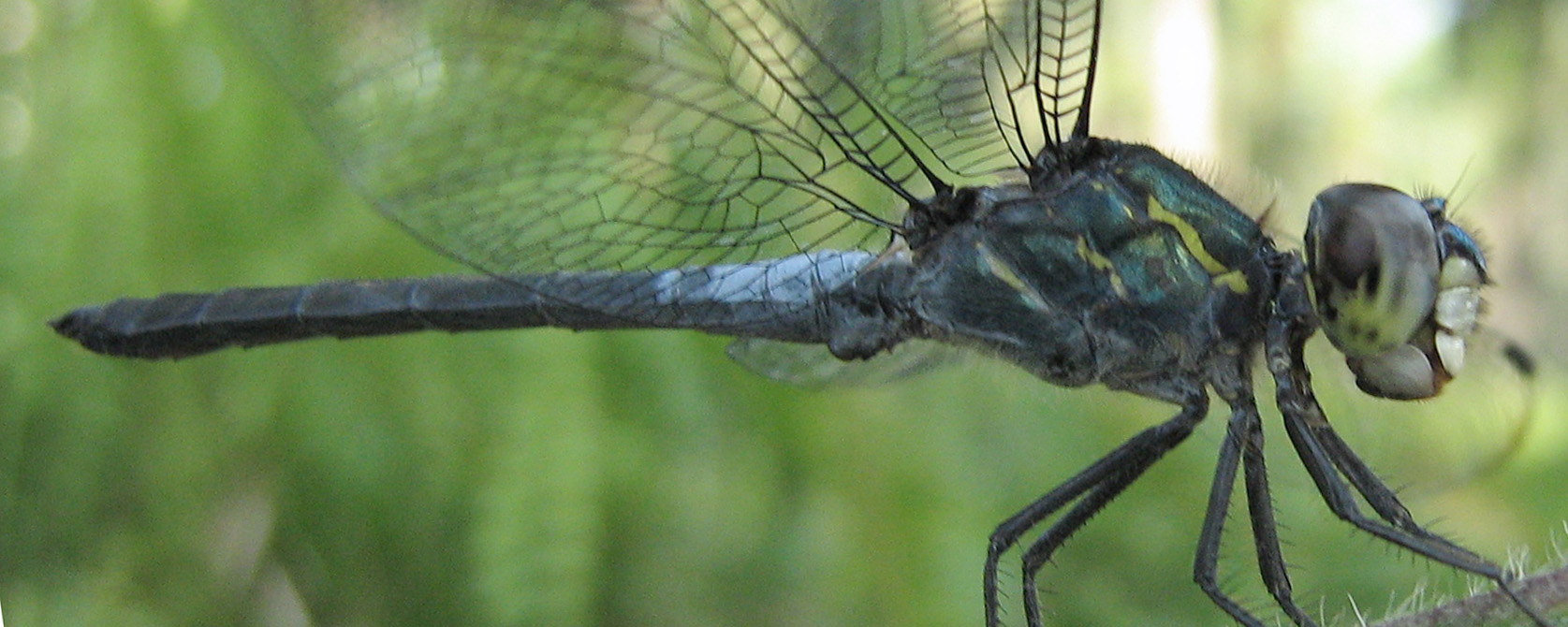 An adult male Cratilla Lineata |
|
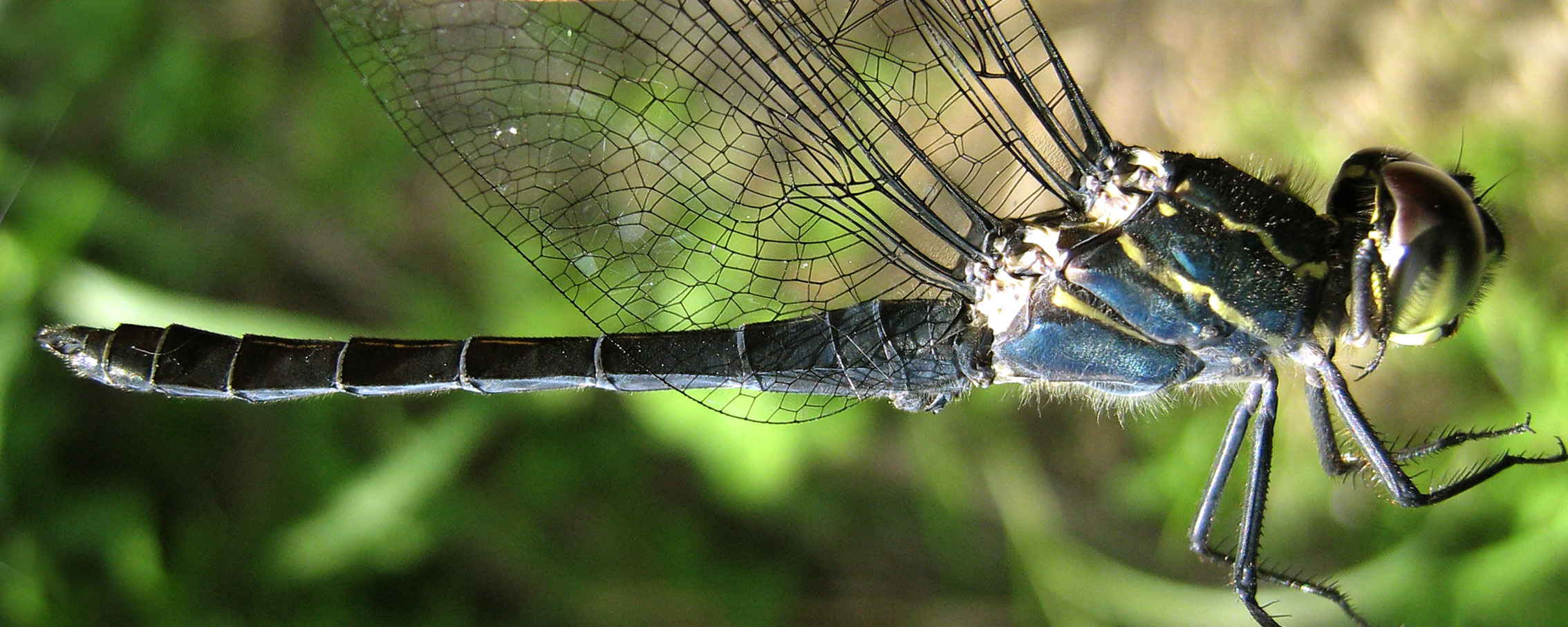 A Juvenile male Cratilla Lineata This species of Cratilla Lineata found in Borneo has only three yellow stripes on both thorax. Those found in Asia have four yellow stripes. |
|
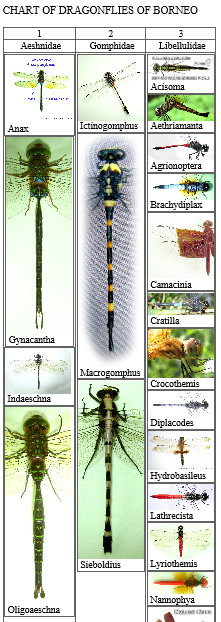
CHART OF DRAGONFLIES OF BORNEO
RELATED TOPICS

INTRODUCTION TO THE DAMSELFLIES OF SABAH, BORNEO ISLAND
Insects are diverse and dominant inhabitants of the tropical rainforests in Borneo Island. New species are discovered too often. Entomologists are still struggling to cope with the documentation of tropical insect diversity.
Most of the common dragonflies in Sabah are red coloured, especially from the family Libellulidae. Some red pecies are even confused as same species, for example the three species of Genus Neurothemis.
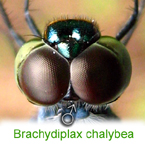
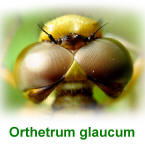
The compound eyes of dragonflies
Dragonflies and damselflies have large compound eyes that can see in all directions. When the compound eye is magnified several hundred times, each individual facet (ommatidium) is shown to be hexagonal in shape.
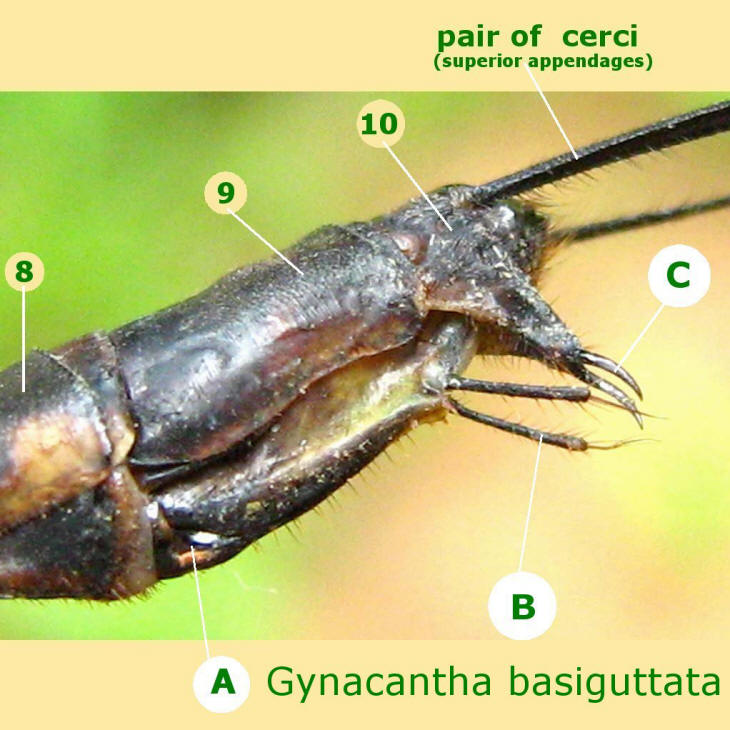
Ovipositor (Vulvar Lamina)
of Female Dragonflies and Damselflies
Female dragonflies have either one of the two method of depositing eggs from
the abdomen:
1- using Ovipositor Structure
2- using Vulvar Lamina
Male do not have an ovipositor. Instead male dragonfly and damselfly have appendages.
|
GO FURTHER FLORA Borneo has 150 species of wild fig trees. Most of them are found in forests of Sabah. FISHERIES Prawn farming is a main commercial activities in Tawau. Spawners from Tawau are graded the best in Malaysia. For decades, Tawau has been exporting high-grade tiger prawns to several countries such as Korea, Japan, Taiwan, China, Vietnam, Singapore, Egypt and Australia. |
|
|
Damselflies of Borneo |