A Malaysian-friendly guide to Indonesia's new capital in East Kalimantan, Borneo
- designed for clarity, warmth, and practical use by our community.
HOME | English | Bahasa Malaysia
| 中文(简体) | Multilingual snippets included for accessibility.
Introduction to Nusantara 努山达拉
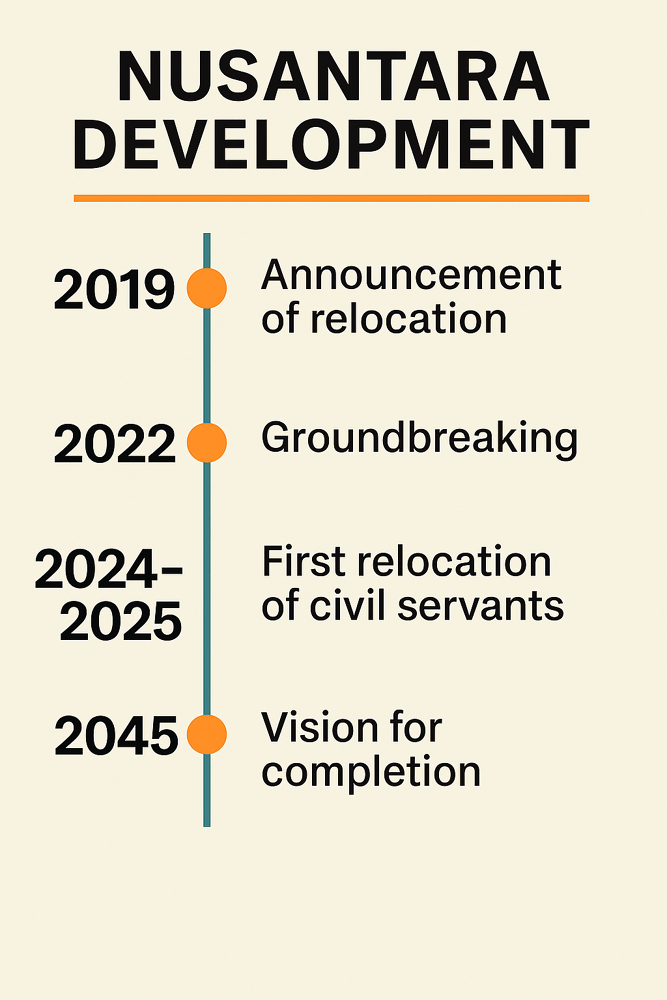
Nusantara (Ibu Kota Nusantara, or IKN) is Indonesia's new administrative capital under development in East Kalimantan on the island of Borneo
- geographically close to Sabah and Sarawak, and culturally linked across the island.
Purpose of relocation
Indonesia aims to ease pressures on Jakarta, distribute development, and build a resilient, future-focused capital.
Nusantara's vision centers on green, smart, and inclusive urban living.
Location and proximity
Set in East Kalimantan, Nusantara sits within reach of Balikpapan and Samarinda. For Malaysians in Borneo, this is a near neighbor with shared environmental and cultural contexts.
Vision and symbolism
"Nusantara" evokes the archipelago's unity. The capital aspires to reflect Indonesia's diversity while embracing sustainable design and indigenous wisdom.
BM: Nusantara ialah ibu kota baharu Indonesia di Kalimantan Timur, dengan visi bandar hijau, pintar dan inklusif. 中文: 努山达拉为印尼新首都,坐落于婆罗洲加里曼丹东部,倡导绿色与包容。
Historical and cultural context
Meaning of "Nusantara"
Rooted in Old Javanese usage, "Nusantara" refers to the wider archipelago
- an idea of connected islands and peoples under shared horizons.
Indigenous communities
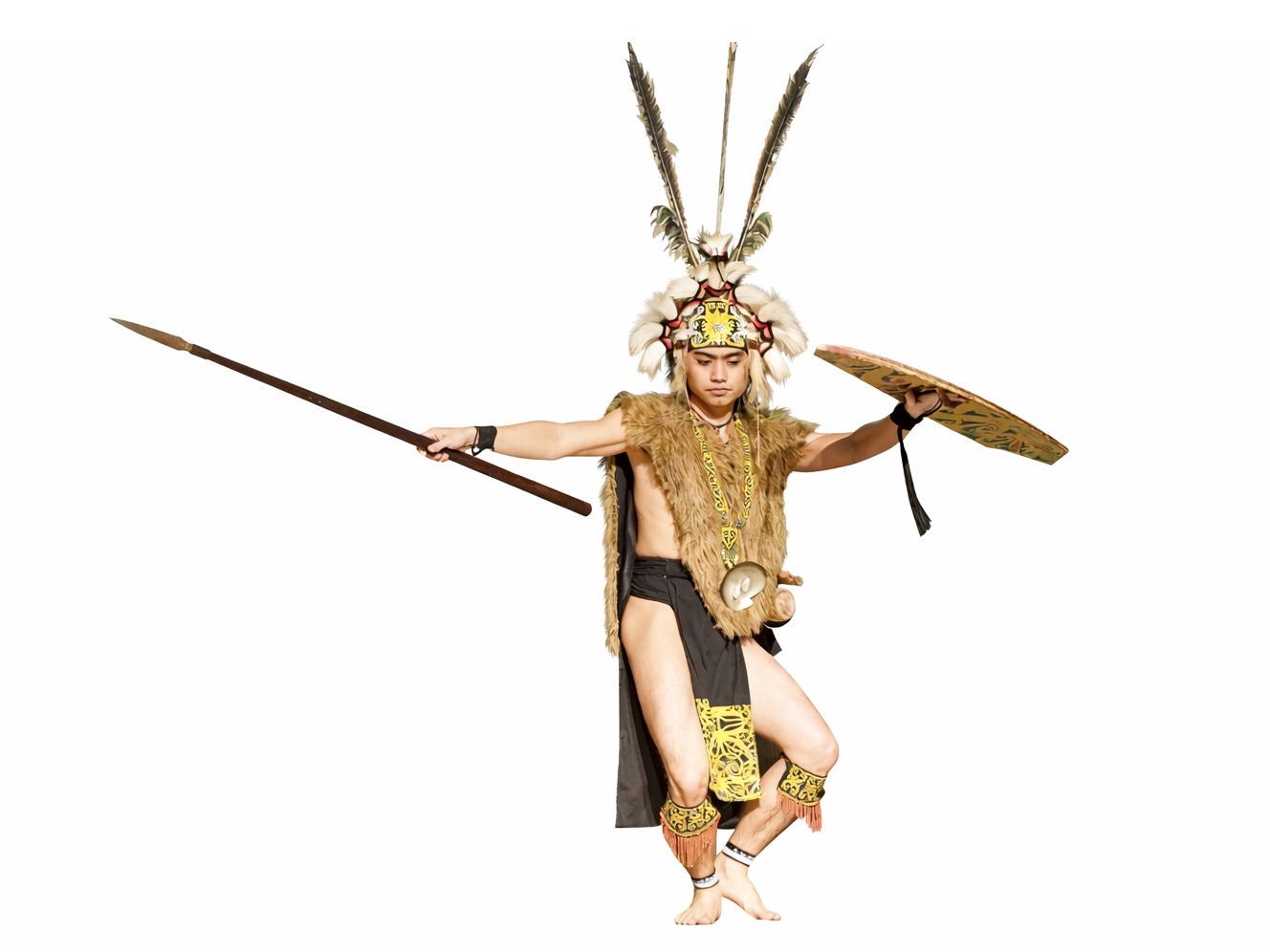
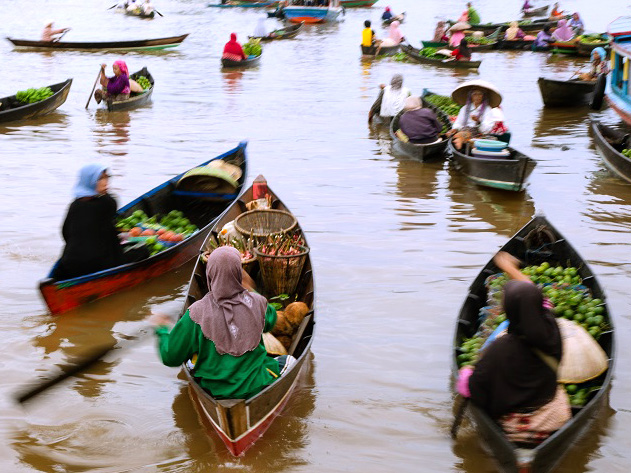
Dayak, Banjar, and Kutai communities define East Kalimantan's cultural fabric. Their languages, rituals, and crafts resonate with traditions across Sabah and Sarawak.
Cross-border heritage
Borneo's peoples have long moved, traded, and intermarried across present-day borders. Nusantara's rise adds a new chapter to this shared story.
Nusantara (Ibu Kota Nusantara, or IKN)
Urban design and development
Master plan
Planned districts integrate government functions, residential areas, and natural corridors, balancing development with forest and watershed protection.
Modern civic buildings draw on Indonesian motifs, aiming for climate-resilient materials, shaded walkability, and energy efficiency.
Comparison with Putrajaya
Like Putrajaya, Nusantara is a planned administrative hub, but with stronger emphasis on ecological restoration and island-wide connectivity.
Economic and strategic importance
New opportunities
Construction, services, logistics, and sustainable technologies are expected growth areas. Cross-border trade and tourism may expand as infrastructure matures.
Regional impact
Nusantara could reshape flows of talent and investment across Borneo, with ripple effects for Sabah and Sarawak's ports, airports, and SMEs.
Malaysia - Indonesia relations
Practical collaborations may include education, healthcare, and environmental monitoring
- areas with shared needs and complementary strengths.
Nusantara (Ibu Kota Nusantara, or IKN)
Environmental and sustainability goals
Green capital vision
Targets include renewable energy, low-emission mobility, and reforestation buffers. Urban form aims for compactness, shade, and access to nature.
Challenges
Balancing growth with biodiversity protection and indigenous rights requires inclusive planning and rigorous safeguards.
Lessons for Malaysia
Eco-sensitive siting, community consultation, and climate-resilient infrastructure offer applicable models for Malaysian cities.
Travel and cultural exchange
Getting there
Current access typically routes via Balikpapan (Sultan Aji Muhammad Sulaiman Sepinggan Airport) or Samarinda (APT Pranoto Airport), with overland links toward the Nusantara area.
What to see
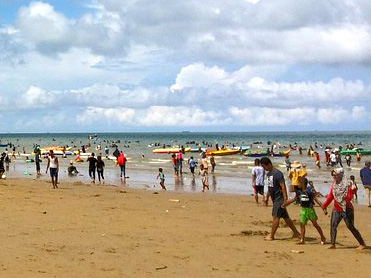
Coastal landscapes, riverine markets, craft villages, and evolving civic spaces provide a blend of nature and city-building in motion.
Public holidays in Nusantara follow Indonesia's national calendar, with additional observances reflecting religious and cultural diversity. Visitors are encouraged to check the official list of public holidays when planning travel, accommodation, school schedules, and government-related matters.
A regularly updated overview is available here:
Public Holidays in Nusantara.
Note: During major public holidays such as Eid, Christmas, and national celebrations, transport demand may be higher and some offices may close or operate on reduced hours.
Future tourism potential
As districts open, cultural festivals and green corridors may anchor community-friendly itineraries.
Nusantara (Ibu Kota Nusantara, or IKN)
The people in Nusantara
Demographics
Residents include local East Kalimantan communities and incoming civil servants, workers, and entrepreneurs from across Indonesia.
Cultural diversity
Nusantara intends to reflect Indonesia's plural society, with public spaces, schools, and events welcoming varied traditions.
Shared ties with Malaysia
Language similarities and family networks across Borneo ease adjustment for Malaysian visitors and returnees.
Transport system in Nusantara
Planned infrastructure
Road networks, bus rapid transit, and potential urban rail corridors are part of the staged build-out, designed to connect government, residential, and natural zones.
Green mobility
Electric fleets, bike lanes, and pedestrian-first streets aim to reduce emissions and keep daily trips pleasant and safe.
Regional links
Balikpapan and Samarinda function as primary gateways, with highway improvements expected to shorten travel times.
The Pan Borneo Road Project enhances long-term overland connectivity across the island of Borneo, linking Sabah, Sarawak, Brunei, and Kalimantan. While Nusantara is accessed mainly by air today, improved highways may gradually strengthen cross-border travel, trade, and people-to-people exchanges between Malaysia and Indonesia.
Foods in Nusantara
Local flavors
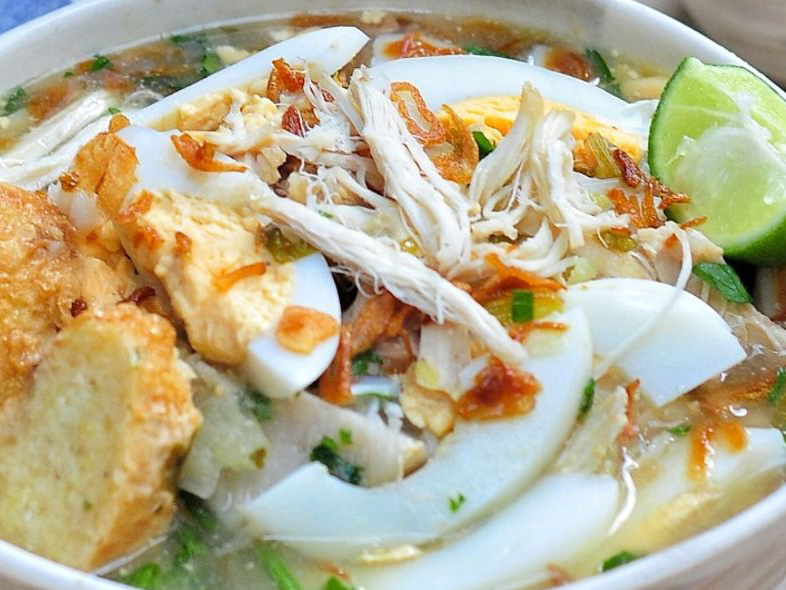
East Kalimantan signatures include soto banjar, ikan bakar, and amplang (fish crackers), alongside river fish and herb-rich broths.
National diversity
Indonesian staples - nasi goreng, satay, gudeg, rendang - meet contemporary cafes and community markets as the city grows.
Cross-border tastes
Sabah and Sarawak visitors will find comforting overlaps in spices, grilling styles, and festive dishes.
Where to stay in Nusantara
Accommodation options
In the early phase, many visitors base in Balikpapan or Samarinda (hotels, guesthouses), with emerging stays nearer to the core Nusantara districts.
Future developments
Eco-lodges and business hotels are expected to open progressively as civic and residential zones mature.
From Tawau Town, the most practical route to Nusantara is by air via
major Indonesian gateway cities in East Kalimantan. Travellers typically
begin with a flight from Tawau Airport to Kuala Lumpur or Kota Kinabalu,
then connect to an international flight to Balikpapan (Sultan Aji Muhammad
Sulaiman Sepinggan International Airport) or Samarinda (APT Pranoto
Airport). Balikpapan is the most commonly used entry point, offering better
ground transport connections and accommodation options. From either airport,
Nusantara can be reached by road using taxis, ride-hailing services, or
pre-arranged transfers, with travel times generally ranging from 1.5 to 3
hours depending on destination zone and traffic conditions. Visitors are
advised to allow buffer time, carry travel documents for border clearance,
and check local transport updates, as access roads and services continue to
improve alongside the city's development.
Authorities are developing an integrated education hub alongside housing and public services, prioritizing school readiness before large-scale relocation.
Australian Independent School Nusantara (AIS Nusantara)
- A large international school campus currently under construction
in the Government Core Area (KIPP).
Nusantara Intercultural School (NIS) - Managed
by the Jakarta Intercultural School Foundation (with over 70 years'
experience in international education).
Al-Azhar Summarecon Nusantara Islamic School
-
A private school project integrating modern learning facilities with
Islamic values and community life.
Higher education
International Doctoral Campus of Universitas Gunadarma
- A PhD campus established within Nusantara's education zone.
Collaborations with Indonesian universities
-
The Nusantara Capital Authority has signed memoranda of
understanding with multiple Indonesian universities.
Future campus investments - Plans and
preparatory investments from universities such as Universitas Negeri
Surabaya (Unesa) .
For Malaysian families
Language and curriculum compatibility:
International schools like AIS and NIS are designed with global
curricula and English-friendly environments.
Public and community schooling: Around the IKN
area, People's Schools (Sekolah Rakyat) and other
government-mentored schools provide basic education in Indonesian.
Integrated education hub: The Nusantara Capital
Authority is actively building a comprehensive education
zone that covers kindergarten through senior high school
and prepares for future university offerings.
Job opportunities for Malaysians
Development phase roles
Demand spans engineers, technicians, project managers, logistics, and environmental services as infrastructure expands.
Social services and knowledge work
Teachers, lecturers, healthcare practitioners, and community planners will support growing neighborhoods and the education hub.
Business and cross-border trade
Retail, hospitality, and SME services can bridge visitors and residents. Familiarity with Malaysian and Indonesian markets is an advantage.
Work permits, professional accreditation, and local compliance should be planned in advance. Cultural similarities across Borneo help daily life and workplace integration.
East Kalimantan Culture & Landscapes
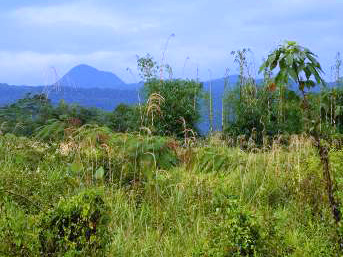
Dayak Traditional Dance - Graceful movements and vibrant costumes celebrate Dayak heritage in East Kalimantan.Daily life flows along the Banjat river - Banjar families navigating tradition and change.Coastal Scene near Balikpapan Calm waters and fishing boats frame the coastal charm of Balikpapan.Forested Hills of East Kalimantan Lush hills and ancient trees form the green lungs of
Nusantara's future.Soto Banjar - A comforting bowl of Soto Banjar - spiced broth, tender chicken, and tradition.Amplang - Crispy fish amplang crackers - East
Kalimantan's signature snack made from fish.
Editorial notes and community use
This page is crafted for Malaysian readers, especially communities in Sabah and Sarawak, to explore Nusantara with practical context and cultural sensitivity. Content will be updated as official information evolves.