Chapter 8 · Welcome to the Heart of Borneo第8章 · 歡迎來到婆羅洲之心Bab 8 · Selamat Datang ke Jantung Borneo
Today Long Pasia welcomes guests from Sabah and from as far away as Europe, Australia and New Zealand. There are no resorts. Instead, visitors stay with families in the homestay programme, eat village food, and set out each day with a local guide.
今天,龍巴夏迎接來自沙巴以至遠至歐洲、澳洲和紐西蘭的客人。這裡沒有度假村;訪客住在參加民宿計劃的家庭裡,吃村中的家常菜,每天由本地嚮導帶領出發。
Hari ini Long Pasia menyambut tetamu dari Sabah dan dari sejauh Eropah, Australia dan New Zealand. Tiada resort. Sebaliknya, pelawat tinggal bersama keluarga dalam program inap desa, makan makanan kampung, dan keluar setiap hari bersama pemandu tempatan.
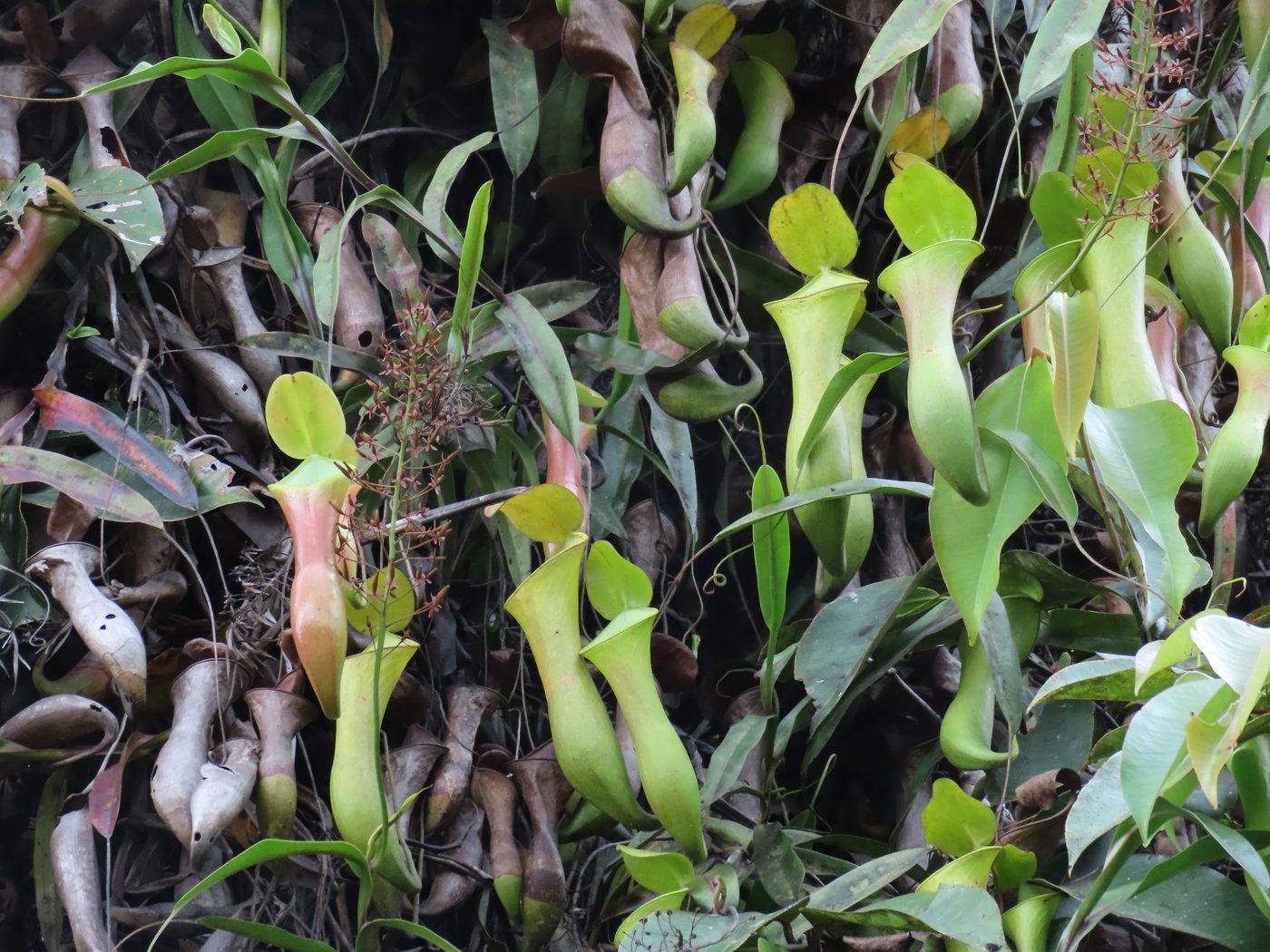
There is plenty to see. The trek to Maga Waterfall passes through primary forest. On Mount Sinipung a clear lake without fish, lost to memory for four generations, was found again in 1997. The kerangas heath forest on white sand is full of pitcher plants, rhododendrons and orchids — one orchid even carries the village’s name, Eria longpasiaensis. On the river, guests can take a boat to watch birds or drift down on a bamboo raft.
這裡值得一看的東西很多。前往馬加瀑布的步道穿過原始森林。在信普山上,一個清澈卻沒有魚、失落了四代人的湖泊於1997年被重新發現。白沙上的石楠林(kerangas)長滿豬籠草、杜鵑和蘭花──其中一種蘭花甚至以村名命名:Eria longpasiaensis。在河上,客人可以乘船觀鳥,或乘竹筏順流漂下。
Banyak yang boleh dilihat. Trek ke Air Terjun Maga melalui hutan primer. Di Gunung Sinipung sebuah tasik jernih tanpa ikan, yang hilang dari ingatan selama empat generasi, ditemui semula pada 1997. Hutan kerangas di atas pasir putih penuh dengan periuk kera, rododendron dan orkid — satu orkid malah membawa nama kampung ini, Eria longpasiaensis. Di sungai, tetamu boleh menaiki bot untuk melihat burung atau hanyut dengan rakit buluh.
The future holds hard questions: how to keep the forest standing, the old stones safe and the young people at home, while the road, the phone signal and the visitors keep coming. Long Pasia’s answer so far has been to welcome the world on its own terms.
未來仍有艱難的問題:在道路、電話訊號和遊客不斷到來的同時,如何讓森林屹立、古老的石頭安全、年輕人留在家鄉?到目前為止,龍巴夏的答案是:按照自己的方式迎接世界。
Masa depan membawa soalan sukar: bagaimana mengekalkan hutan, memastikan batu-batu lama selamat dan anak muda kekal di kampung, sementara jalan raya, isyarat telefon dan pelawat terus datang. Jawapan Long Pasia setakat ini ialah menyambut dunia mengikut caranya sendiri.
- Allow at least three days for a visit, and book your homestay and guide in advance.參觀至少預留三天,並提前預訂民宿和嚮導。Peruntukkan sekurang-kurangnya tiga hari untuk lawatan, dan tempah inap desa serta pemandu lebih awal.
- About 15 houses were registered as homestays in 2010.2010年約有15間房屋登記為民宿。Kira-kira 15 rumah didaftarkan sebagai inap desa pada 2010.
Sources: New Straits Times (2019); Sabah Tourism; Penang Travel Tips; orchidspecies.com; Borneo News (2017); MySabah.com (2010); longpasia.wordpress.com.