Last Updated On : Saturday, 04 October, 2014 08:11:09 PM
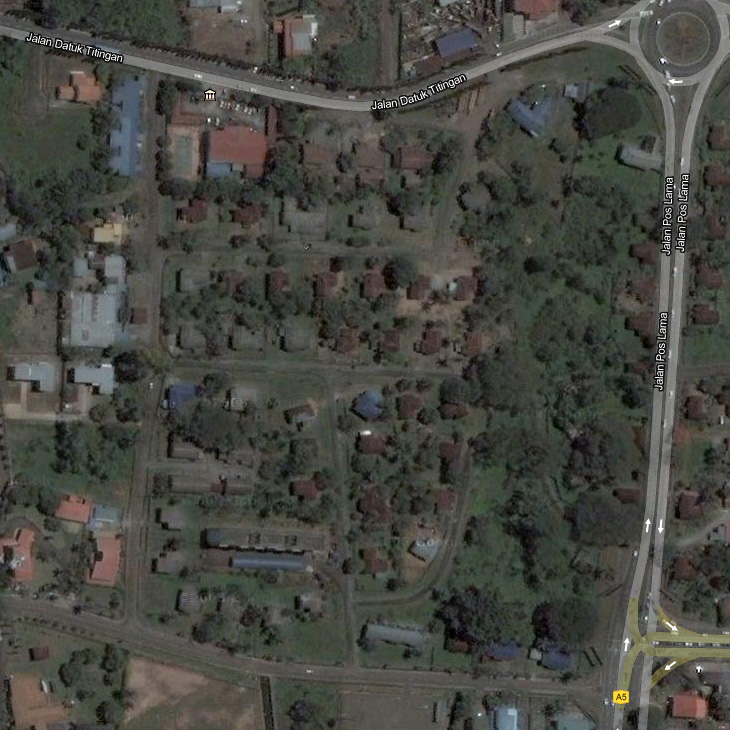
Jalan Access, Tawau
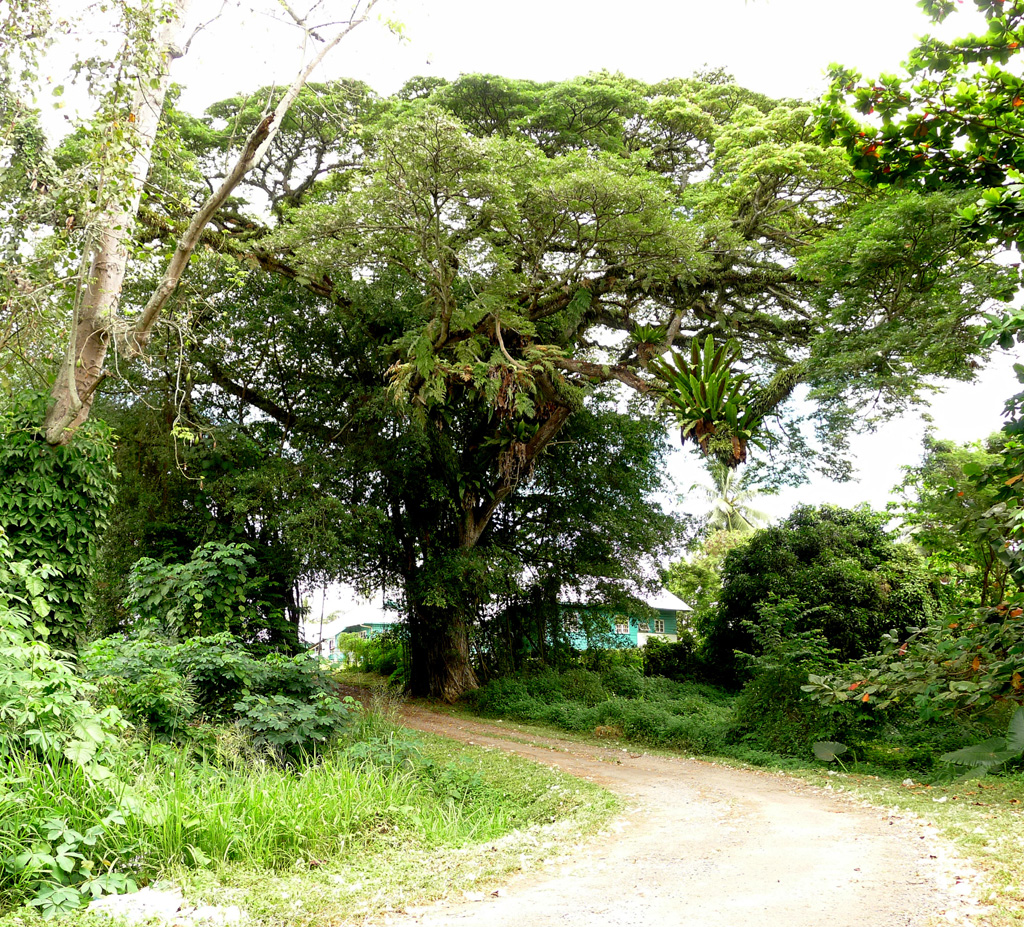
English name: Rain Tree
Local name: Hujan-Hujan
Scientific name: Samanea Saman
Rain Tree ( Enterolobium saman )
Why are they called Rain Tree?
According to a report on Species Profiles for Pacific Island Agroforestry
specifically on Rain Tree by Staples & Elevitch.
It has been attributed to:
• The leaflets are light-sensitive and close together on cloudy days (as well as
from dusk to dawn), allowing rain to fall through the canopy to the ground
below.
• The grass is often much greener under a rain tree than the surrounding grass.
• A steady drizzle of honeydew is often created by sap-sucking insects.
• Nectaries on the leaf petioles excrete sugary juice that sometimes falls from
the tree like rain.
• During heavy flowering, stamens can drop from the canopy like rain.
Massive Rain trees along Access Road, Tawau. Tawau Town is the town with the most Rain Trees in Sabah.
Providing shades to the road users, rain tree is the legacy of the colonial past. In those days, British planted rain tree to counter the unbearable heat and sun shine in Malaya then.
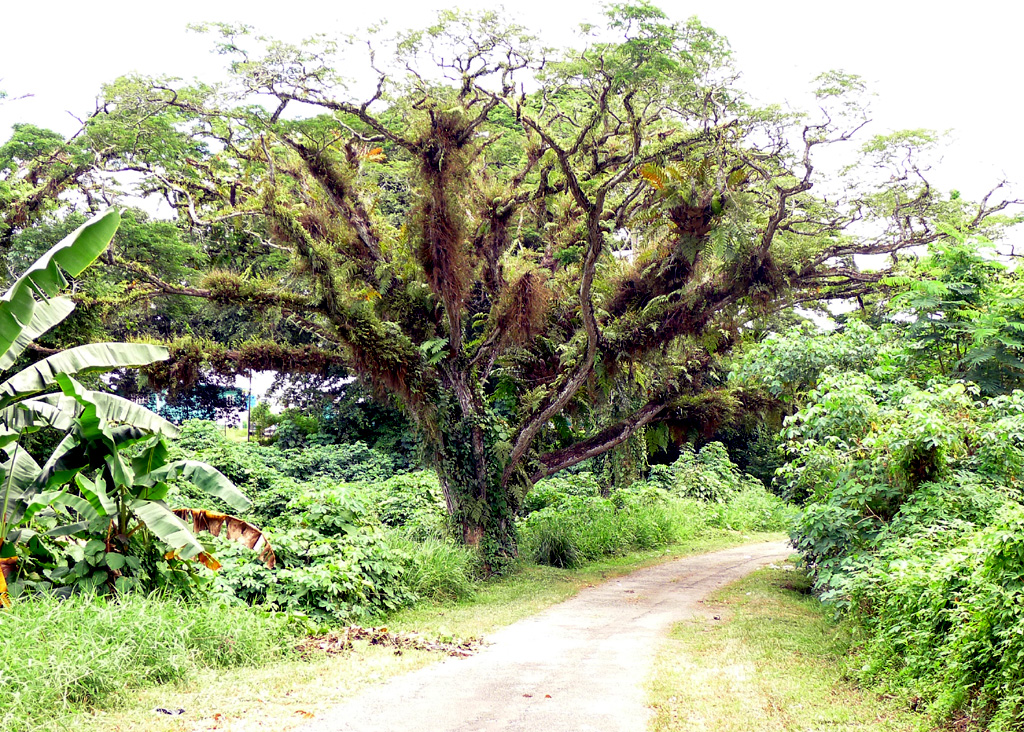
ferns blanketing the rain tree branches. It is easily recoqnized by its characteristic umbrella-shaped canopy providing excellent shades from the burning mid-day tropical sun, making it a popular tree to be planted along roads and parks.
The tree grows up to 25 m tall with widespread umbrella-shaped
crown. The bark is fissured and chocolate colored whilst the trunk is slightly
crooked. The leaves are 20-30 cm long, compound with 3-6 pairs of side stalks;
6-8 pairs of leaflets arise on each side stalk, which are small, (3x2 cm) and
almost rhombic in shape.
Flowers which are pink in tassel-like heads are to be found in clusters from
leaf axils with numerous stamens.
The fruit is long and straight, 15-25x1.5 cm, with many seeds which are
separated by partitions; the seed measuring 1.5 cm long and is brown in color.
The numerous rain trees (samanea saman) found all over parts of Tawau town are
not native to the country and orginates from South America.
The Rain Tree was introduced to Peninsular Malaysia before 1876 and is now a common sight as a roadside shade tree throughout the country. Cross cuts of the tree are used as table tops due to the excellent growth rings they display.
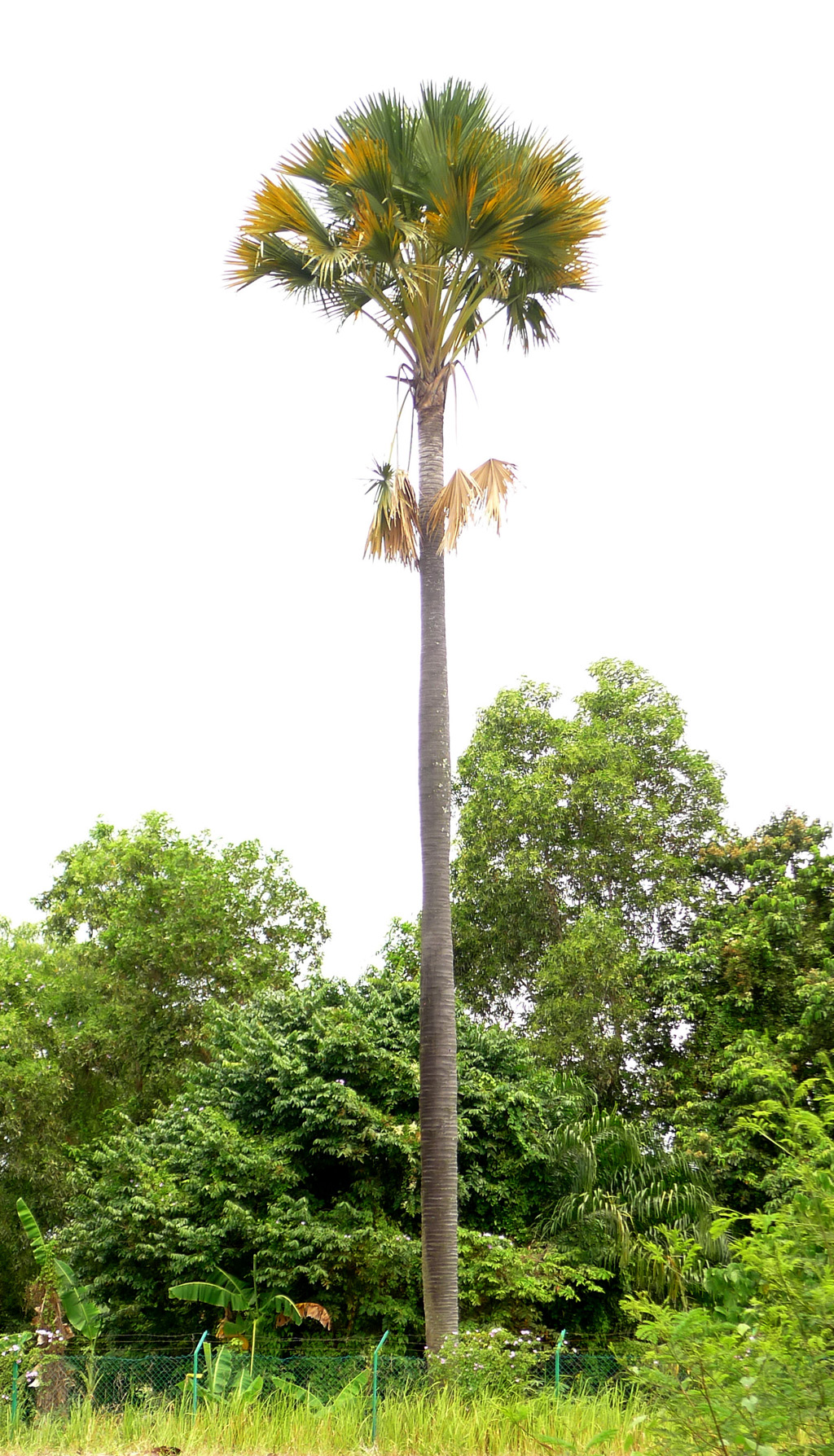 |
Rare palm tree embraces death after flowering Nearly 100-year old palm tree of rare species still stands at Access Road. Planted during the British rule in Tawau. When this species of palm tree flowered for the first and only time before bearing fruits, the tree will graduelly dye out. This type of palm tree dies soon after bearing fruit. A self-destructing palm tree that flowers once every 100 years and then dies It is the largest palm species and not many existence in Sabah.. Something that looks like a Christmas tree growing out of the top
of the palm. Talipot, a native of southern India flowering of the Talipot palm. Corypha umbraculifera (Talipot palm) is a
species of palm, native to southern India (Malabar Coast) and Sri
Lanka. |
|
|
More about Jalan Jalan Road in Tawau October 04, 2014 08:11:09 PM |
|