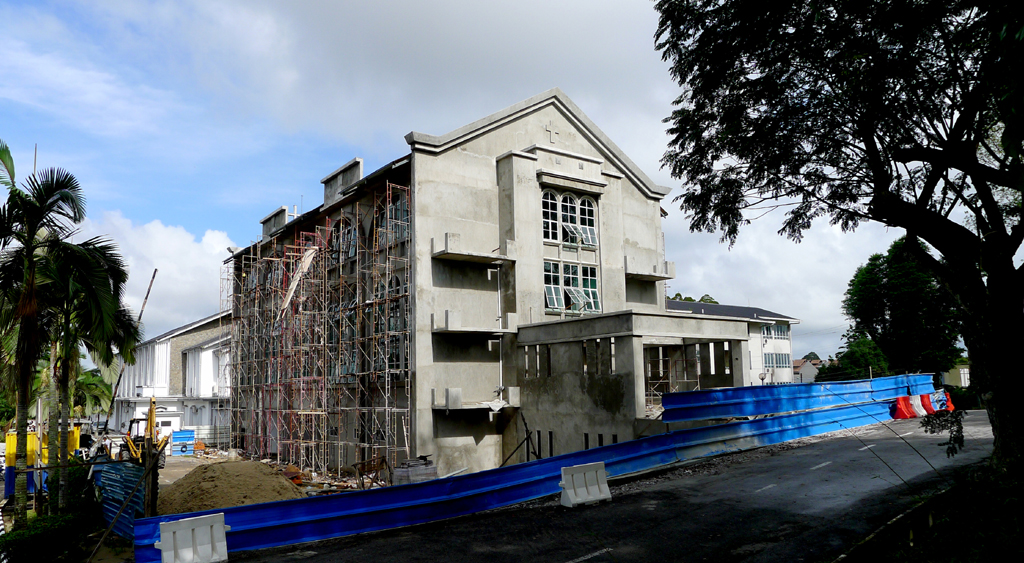

Parish Hall
DISTRICT KUCHING > KUCHING CITY > RELIGION > Kuching’s Anglican Cathedral (1954)
Parish Hall
Kuching’s Anglican Cathedral (1954) is facing the Padang Merdeka (Independence Sq).
and its monumental kapok tree, Kuching’s Anglican cathedral (1954)
This 1954 cathedral has a mid-20th-century look and, inside, a bright-red barrel-vaulted ceiling.
Beside the cathedral is McDougall Road, named after Kuching’s first Anglican bishop, who arrived here in 1848.
On the other side of the Parish Centre (2012) is the Bishop’s House.
HENRY SKELTON
(26th June 1873)
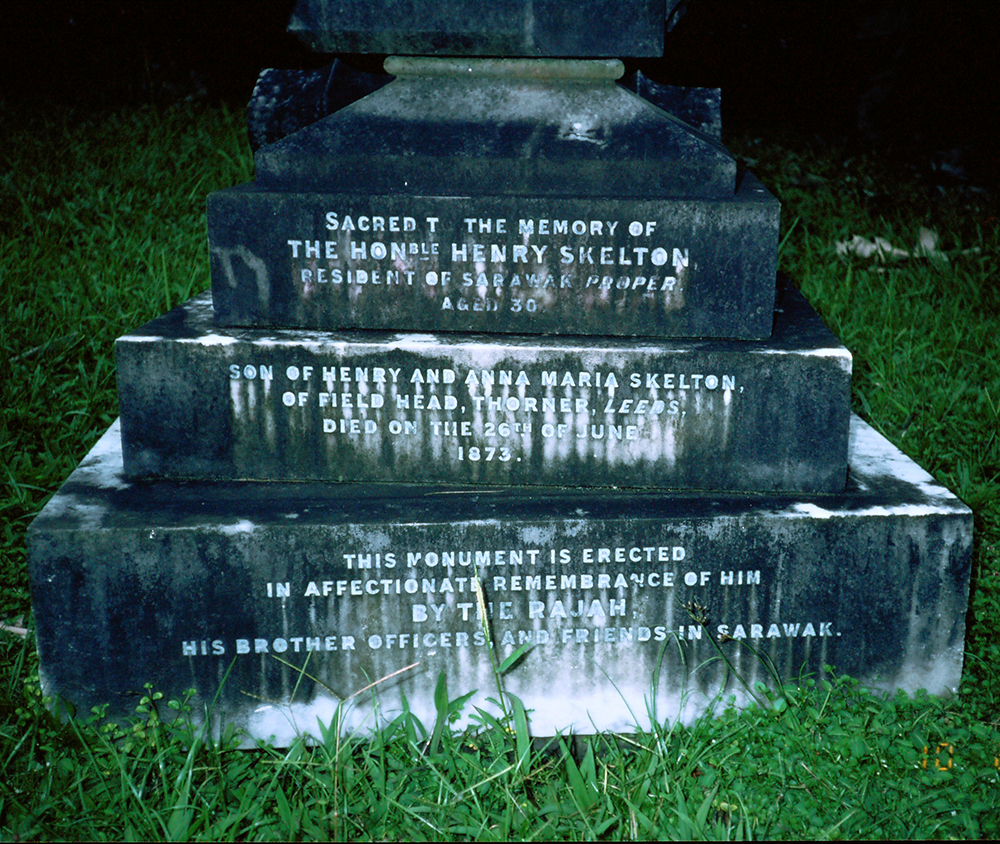
SACRED TO THE MEMORY OF
THE HONORABLE HENRY SKELTON
RESIDENT OF SARAWAK PROPER
AGED 30
SON OF HENRY AND ANNA MARIA SKELTON
OF FIELD HEAD, THORNER, LEEDS.
DIED ON THE 26TH OF JUNE 1873
THIS MONUMENT IS ERECTED
IN AFFECTIONATE REMEMBRANCE OF HIM
BY THE RAJAH
HIS BROTHER OFFICERS AND FRIENDS IN SARAWAK
FORT SIBU, SIBU
Many may not know that once upon a time there was a Brooke fort that was built
in Sibu. Only known as Fort Sibu is a defensive fort built around 1862. Like
most Brooke forts, Fort Sibu was also built to mark the administrative authority
of the Sarawak Kingdom in Sibu at one time.
Once fully completed, Fort Sibu was one of the most important forts for the
Brooke administration in Sarawak. It is well known that the Sarawak state
assembly is the oldest state assembly in the Malaysian Idea with its
establishment dating back to the 1860s, when Brooke's government was in power in
Sarawak. Around 8th September 1867, the first Sarawak state assembly meeting was
held in Bintulu.
For the 1868 Sarawak state assembly meeting was held in Sibu, Sarawak and it was
located at Fort Sibu. It is said that when this second meeting took place, many
crowds were held by the local residents in Sibu because at that time many
Sarawak leaders had gathered to attend the most important meeting for Sarawak
Kingdom at that time.
Around 1870, once again Fort Sibu became a silent witness in Brooke's rule in
Sarawak because that year it was attacked for the first time by opponents of
Brooke's administration in Sarawak. Panglima Lintong, the leader of the Iban
Kanowit has flown down the Rejang River together with 3000 followers has
attacked Fort Sibu.
At that time, Fort Sibu was administered by a British officer named Henry
Skelton who had just been transferred to Sibu from Kuching. In the early morning
when he was just about to have breakfast, Lintong and his followers tried to
attack Fort Sibu. With the help of Brooke Low and approximately 50 Sikh
mercenaries who served the Sarawak Kingdom Kingdom managed to defeat Lintong
from continuing to approach Fort Sibu at that time.
Henry Skelton as soon as the war with Lintong and Iban Kanowits subsided was
called back to work in Sri Aman and around 1873, he returned to Kuching. 2
months after that when in Kuching it is said that he was attacked by high fever
until he died. Henry Skelton is buried in the Old Christian Cemetery located
within the grounds of St. Thomas, Kuching now.
According to a book titled "Sibu of Yesterday" published by the Sarawak Chinese
Cultural Association in 2002 states that around 1862, Rajah Brooke ordered the
construction of a fort called Fort Sibu. Fort Sibu was built as Brooke's
administrative center since at that time the economic development covering
Sungai Rejang and its territory was developing.
And this very much coincides with what was stated in the Sarawak Gazette, 24
January 1871, No 16 which states that Sibu is one of the most important
administrative centers in Sarawak Kingdom. And an administrative fortress is
located between the branches of Sungai Igan and Sungai Rejang to further launch
the administration in Sibu at that time.
Around 1936 it is said that Fort Sibu was demolished to allow for more orderly and vigorous development in Sibu at that time. And in tracking where is the actual location of Fort Sibu if based on the book issued by the Sarawak Chinese Cultural Association, 2002 and also Sarawak Gazette, 24/1/1871, No 16 as it refers to the site of the current Rejang Port Authority building which was formerly Fort Sibu to be
RELATED TOPICS
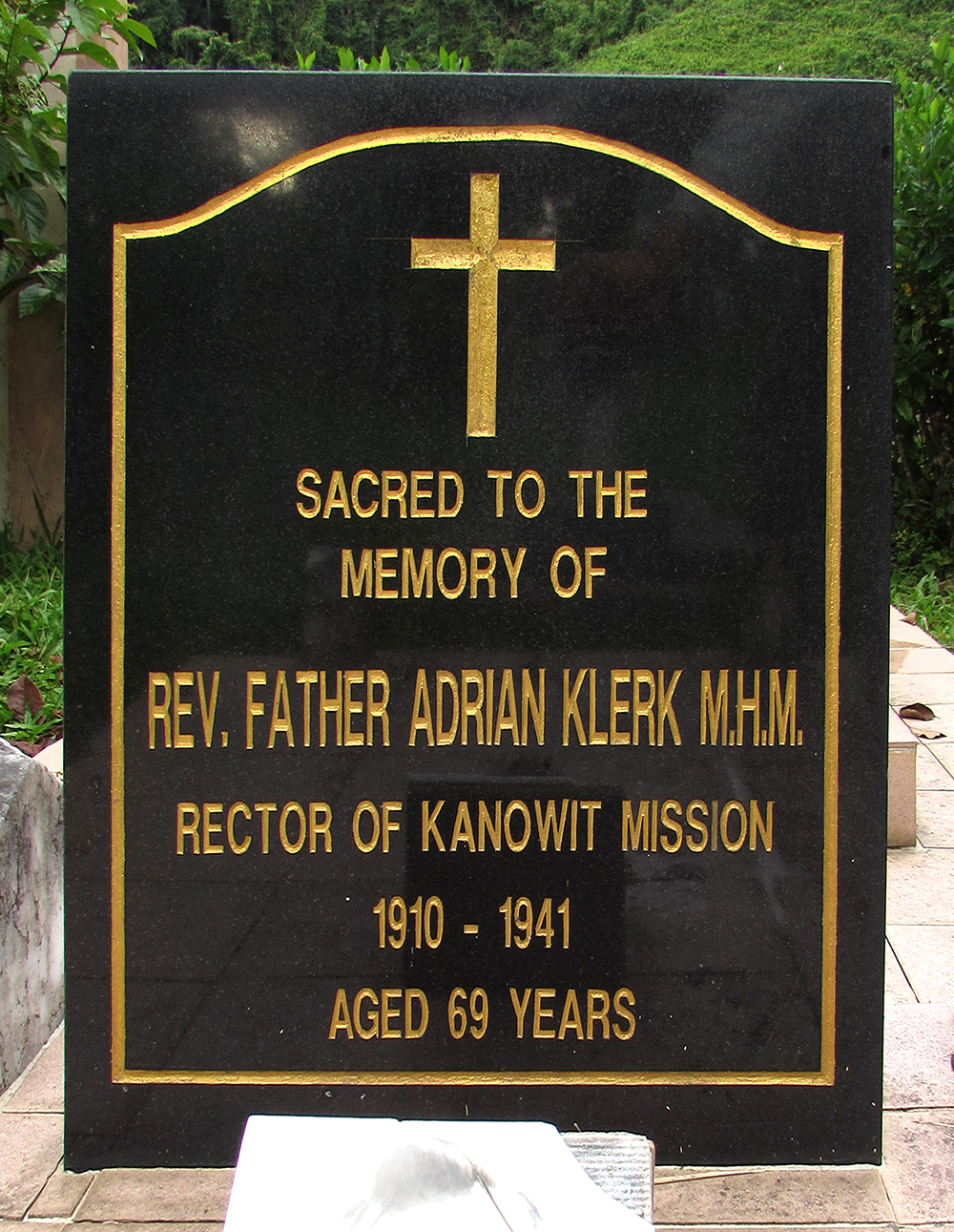
REV. FATHER ADRIAN KLERK M.H.M.
RECTOR OF KANOWIT MISSION
1910-1941
|
|
RELIGION |