Introduction
Tawau, located in southeastern Sabah, Malaysia, has evolved from a frontier settlement to a thriving commercial hub through the combined efforts of diverse migrant communities. Among these, the Chinese community has played a pivotal role in shaping the town's economic, social, and cultural landscape.
Historical Significance
The Chinese diaspora in Tawau represents a unique case study in transnational migration, cultural adaptation, and economic entrepreneurship. Their journey from southern China to Borneo's southeastern coast created a vibrant community that bridges multiple cultures while maintaining distinct identity markers.
This exploration examines how the Chinese community in Tawau navigated colonial economies, contributed to regional development, and established enduring social institutions while adapting to Malaysia's multicultural context.
Historical Background
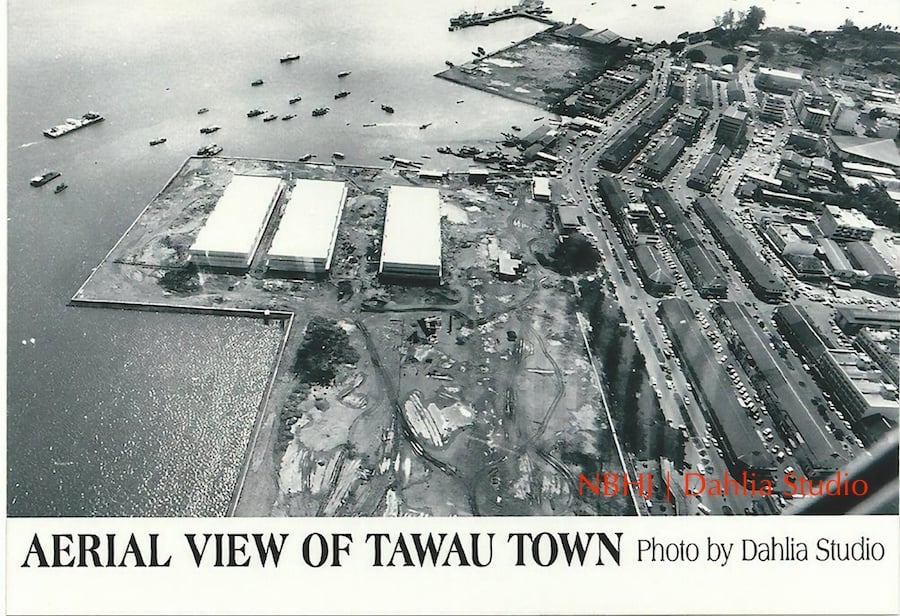
Chinese migration to Tawau began in the late 19th century, primarily from Guangdong and Fujian provinces. Early migrants arrived as traders and laborers, responding to economic opportunities in the developing frontier settlement.
Initial migration waves from southern China, primarily engaged in small-scale trade and resource extraction.
British North Borneo Company development attracted Chinese laborers for tobacco, rubber, and timber industries.
Cocoa and oil palm plantation expansions created new labor demands, drawing additional Chinese migration.
Economic reconstruction and border trade revival sustained migration patterns despite political changes.
With Sabah's incorporation into Malaysia, Chinese communities transitioned from sojourners to permanent citizens, actively participating in nation-building.
The Triple Migration Framework
Tawau's development resulted from three simultaneous migration streams that created complementary economic roles:
| Migration Group | Economic Role |
|---|---|
| Filipino (Sulu Sea Region) Regional mobility & traditional networks |
Maritime economy, coastal trade, fishing. Strong cross-border ties, fluid identity, maritime culture |
| Indonesian (Sulawesi) Colonial labor recruitment |
Plantation labor, agricultural development. Contract-based migration, strong community cohesion |
| Chinese (Southern China) Economic opportunity & trade networks |
Commercial middlemen, entrepreneurship, urban services. Strong economic networks, institutional development, educational emphasis |
Complementary Development
These three migration streams created a symbiotic economic ecosystem: Filipino migrants provided marine resources and regional connectivity, Indonesian migrants supplied plantation labor, and Chinese migrants connected production to markets through commercial networks.
Economic Contributions
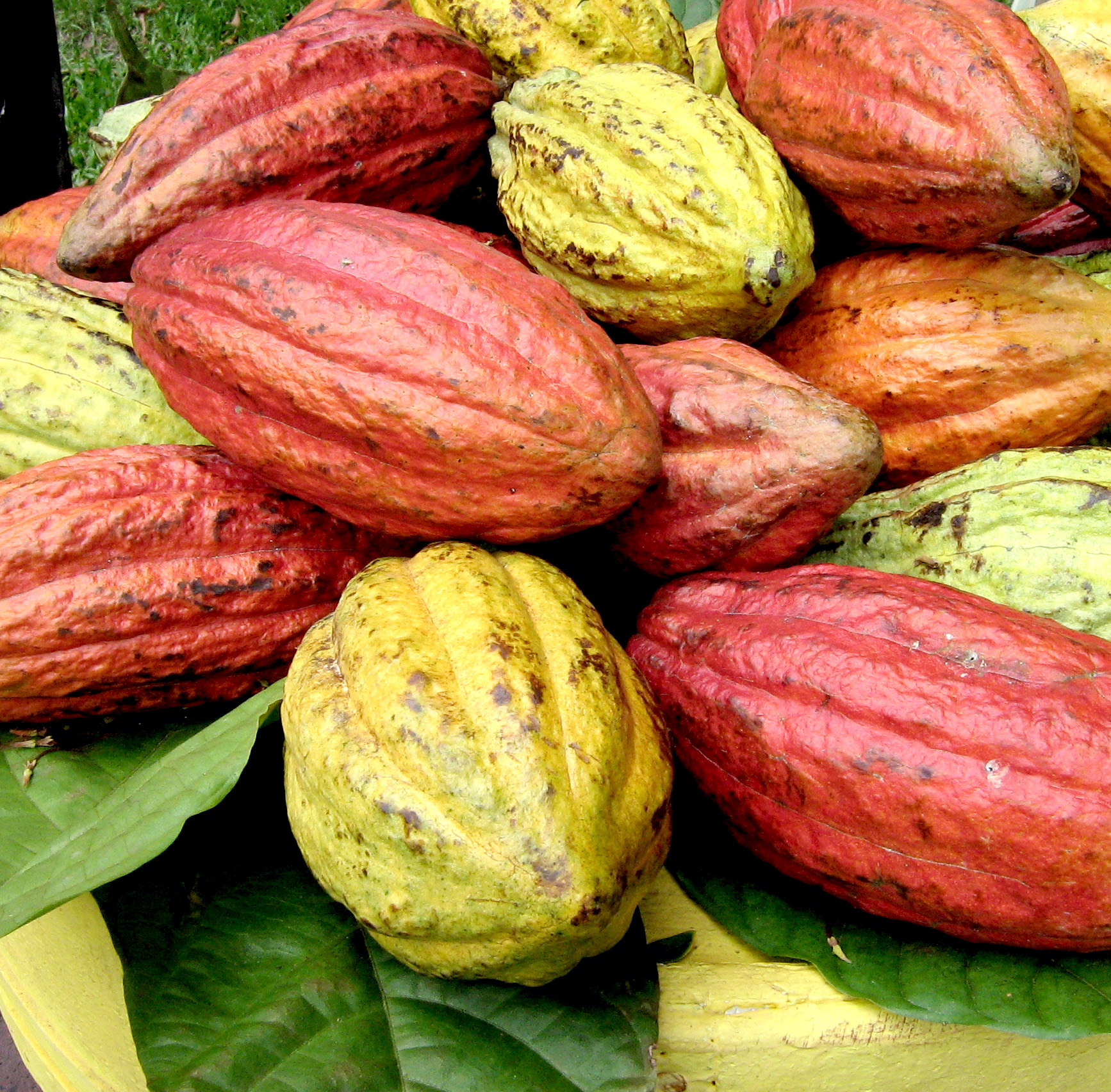
The Chinese community in Tawau demonstrated remarkable economic adaptability across different historical periods:
Economic Evolution Timeline
Early Period: Timber export, small-scale trade, and provision shops
Colonial Era: Plantation management, commodity processing, and retail distribution
Post-Independence: Manufacturing, construction, and professional services
Contemporary: Tourism, logistics, education, and specialty services
Chinese economic activities in Tawau have been characterized by:
- Vertical Integration: Controlling multiple stages from production to retail
- Network Economics: Leveraging clan and dialect group connections
- Adaptive Entrepreneurship: Shifting between sectors as opportunities emerged
- Transnational Linkages: Maintaining business connections with Greater China
Social Structure and Cultural Life
According to Malaysian census data, Chinese constitute approximately 20% of Tawau's population, with Hakka being the largest dialect group, followed by Fujianese (Hokkien), Cantonese, Teochew, and Hainanese.
Settlement Patterns
Early migrants typically clustered by dialect group and occupation. Hakka communities concentrated in urban areas and plantation zones, while Fujianese dominated maritime trade and fishing-related activities. This occupational specialization created distinctive neighborhood characteristics that persist in modified forms today.
Family Structure: Traditional values remain influential, though intermarriage with indigenous groups (especially Suluk and Bajau) and Filipino migrants has created unique multicultural family dynamics. Many Chinese families maintain cross-border kinship networks extending to the southern Philippines.
Religious Diversity: The community exhibits remarkable religious pluralism with Buddhism, Taoism, Christianity (both Catholic and Protestant), and folk religious practices coexisting. Temple compounds often incorporate multiple devotional spaces, reflecting syncretic tendencies.

Education and Community Organizations
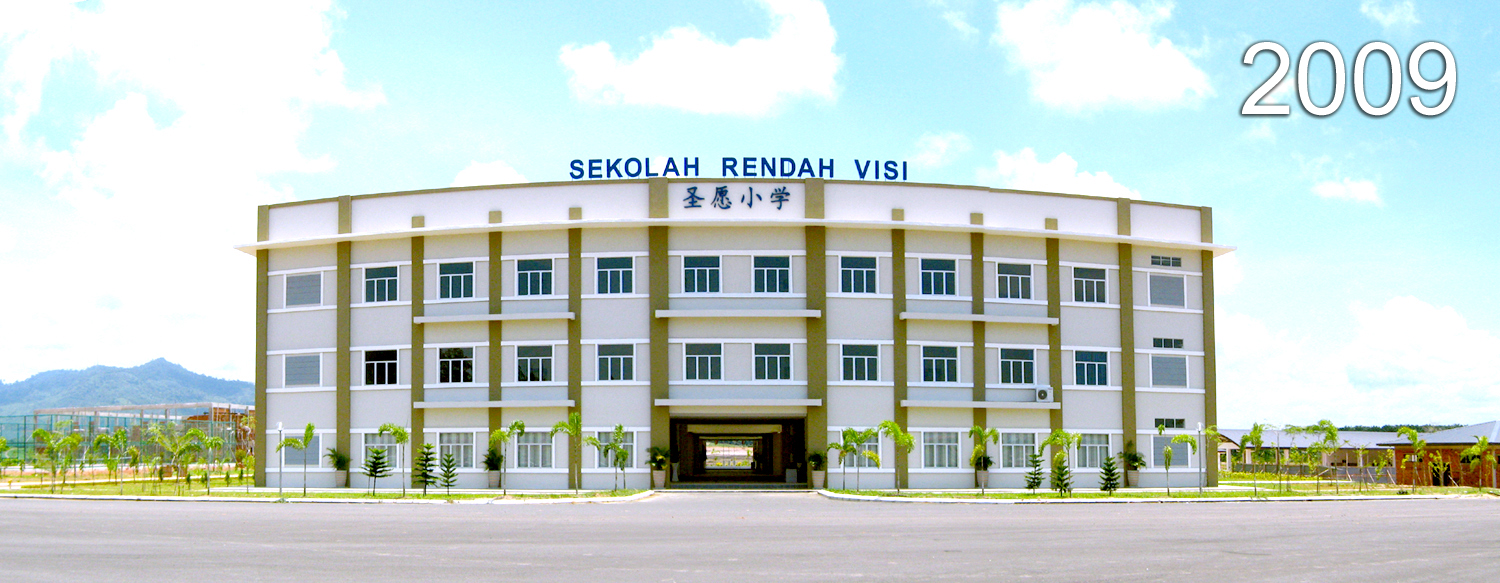
Tawau's Chinese community has established a comprehensive Chinese education system, including primary schools (like Tawau New Chinese Primary School and Tawau Citizen Primary School) and independent secondary institutions (notably Tawau Chinese High School).
Educational Legacy
Chinese-medium schools in Tawau serve not only ethnic Chinese students but also attract significant numbers from other communities, creating unique multilingual and multicultural educational environments. These institutions have been crucial for cultural transmission while adapting to Malaysia's national education framework.
Community Organizations: The Tawau Chinese Chamber of Commerce, dialect-based associations (Hakka Association, Fujian Association, etc.), and religious organizations provide social services, mediate community relations, and preserve cultural traditions. These institutions have been instrumental in disaster relief, educational funding, and cultural preservation efforts.
Contemporary Challenges and Adaptations
The Chinese community in Tawau faces several contemporary challenges:
Key Challenges
Demographic: Youth outmigration to Peninsular Malaysia and Singapore for education and employment
Cultural: Declining dialect usage among younger generations
Economic: Globalization pressures on traditional businesses
Political: Balancing ethnic identity with national integration
Adaptation Strategies: Community initiatives like the "Memories of Tawau People" digital archive project document local history. Increased collaboration with other Bornean Chinese communities strengthens regional networks. Economic diversification into tourism, specialty agriculture, and professional services provides new opportunities.
Representative Community Figures
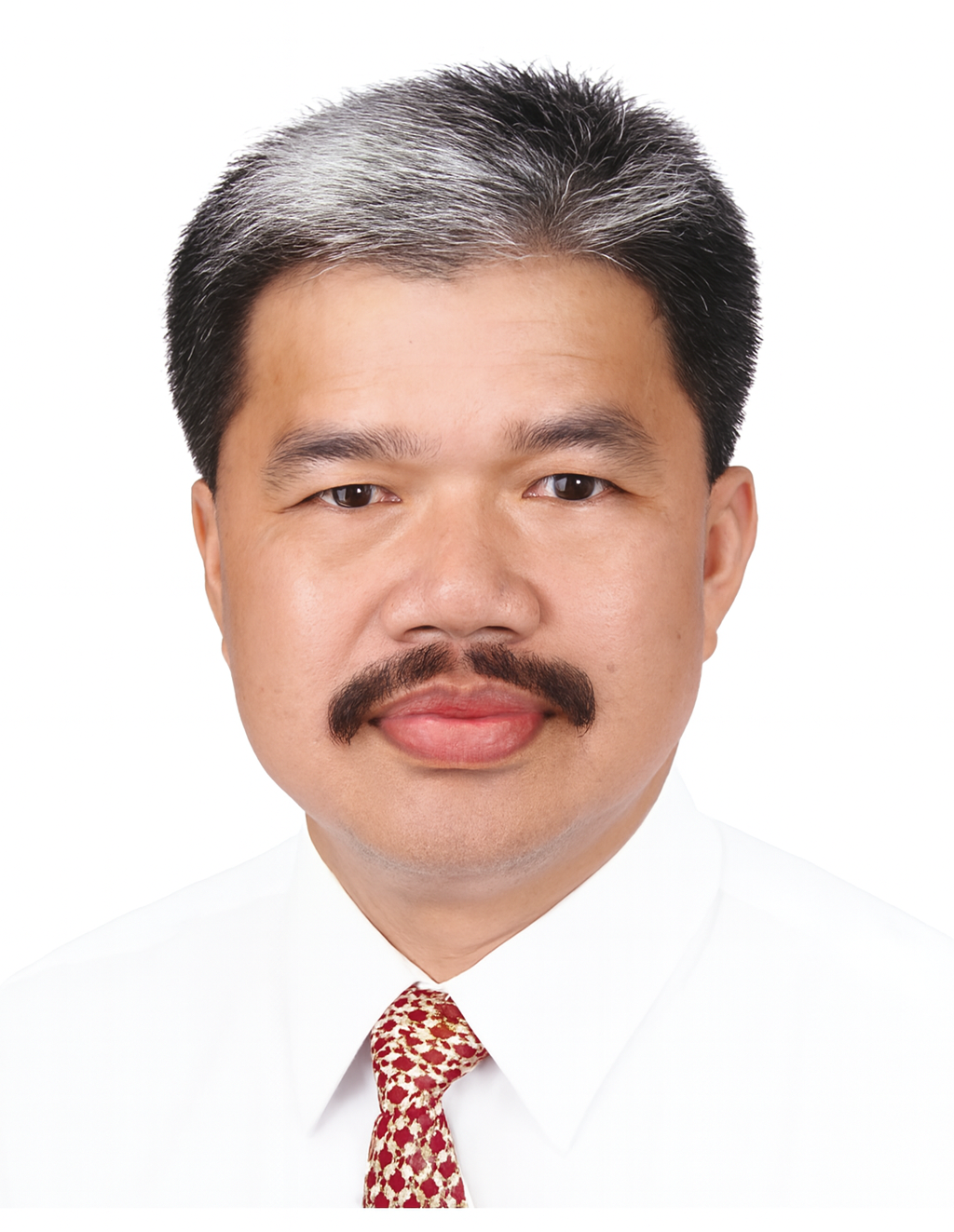
Liew Yun Fah
Community Leader & Development Advocate
Instrumental in improving healthcare infrastructure in eastern Sabah, particularly through the construction of new hospital facilities and emergency medical services. Served as a bridge between Chinese and indigenous communities, promoting cross-cultural understanding and community harmony.

Datuk Ling Yu Ming
Entrepreneur & Educational Philanthropist
Long-time supporter of Chinese education in Tawau, contributing to school development and student welfare programs. Through leadership in the Tawau Chinese Chamber of Commerce, has mobilized business community resources for social development projects and interethnic dialogue.

Datuk Yong Teck Lee
Political Leader & Development Advocate
Advocated for Sabah's rights within the Malaysian federation while implementing numerous community infrastructure projects in Tawau. Focused on practical improvements to water supply, public parks, and drainage systems that benefit all ethnic communities.

Dato' Yap Yin Sin
Community Organizer & Cultural Steward
Presided over the Tawau Hokkien Association and coordinated united Chinese association activities. Known for decades of service in education, disaster relief, and cultural preservation, earning recognition as a unifying "community elder" respected across ethnic lines.
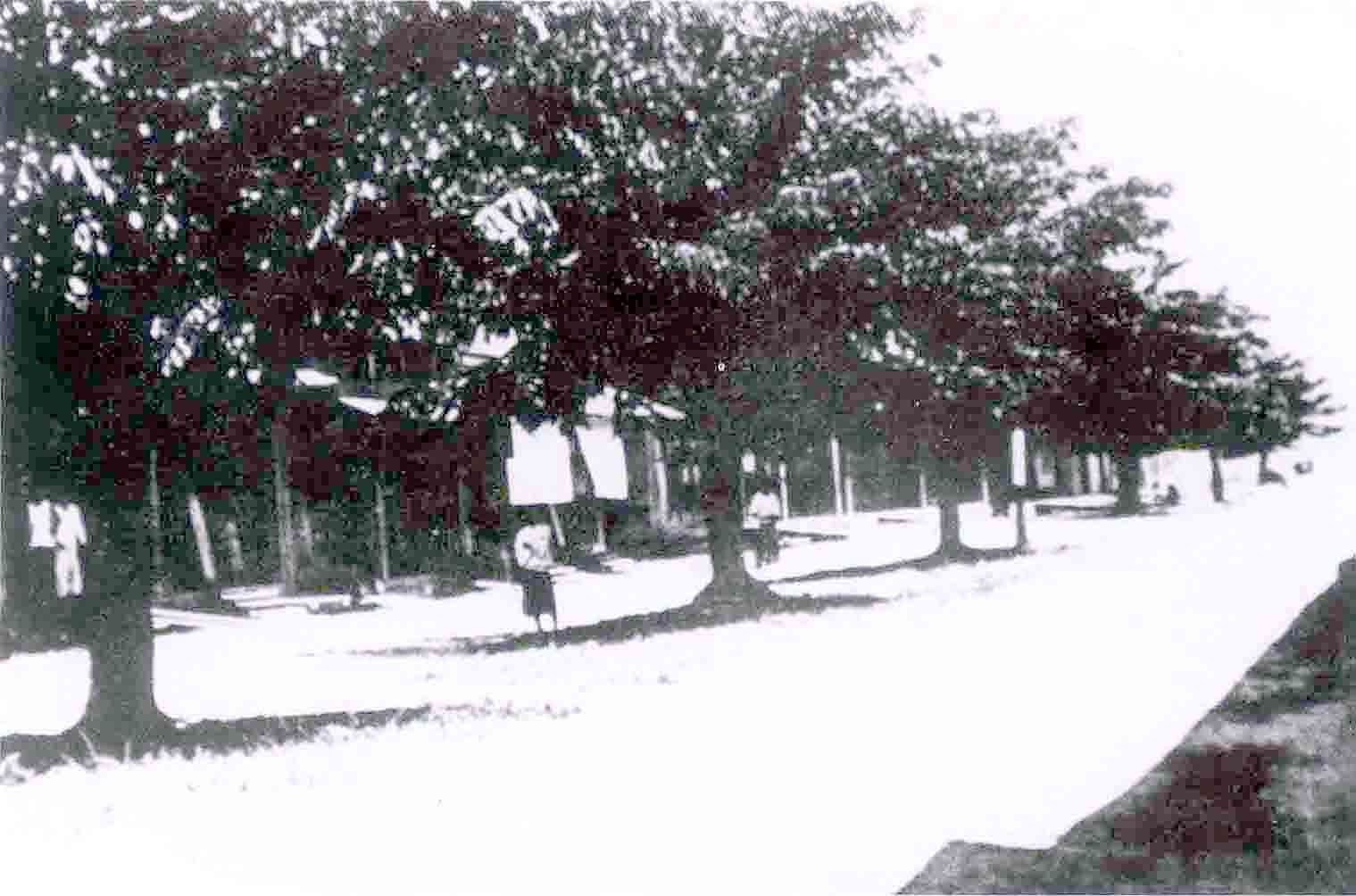
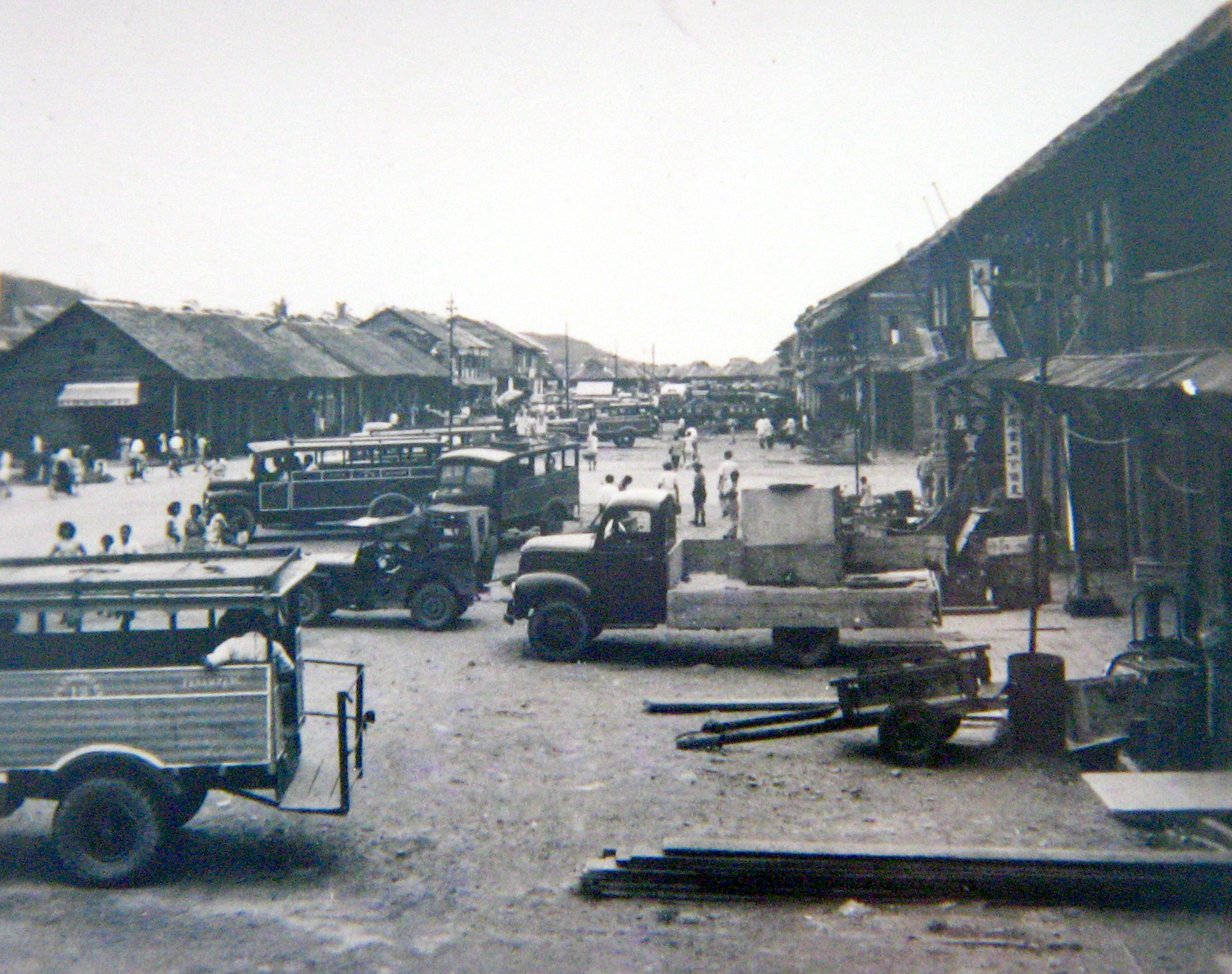
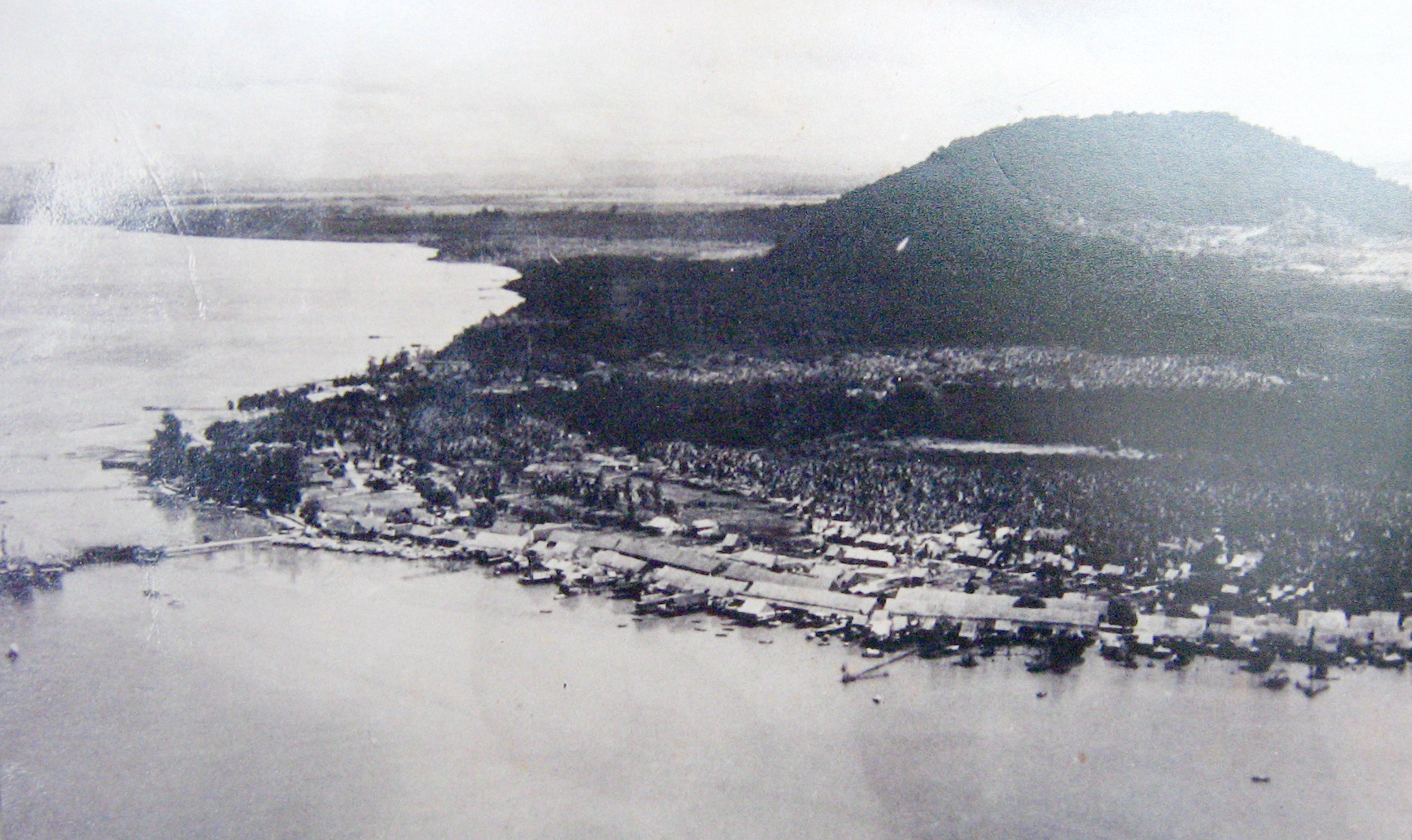
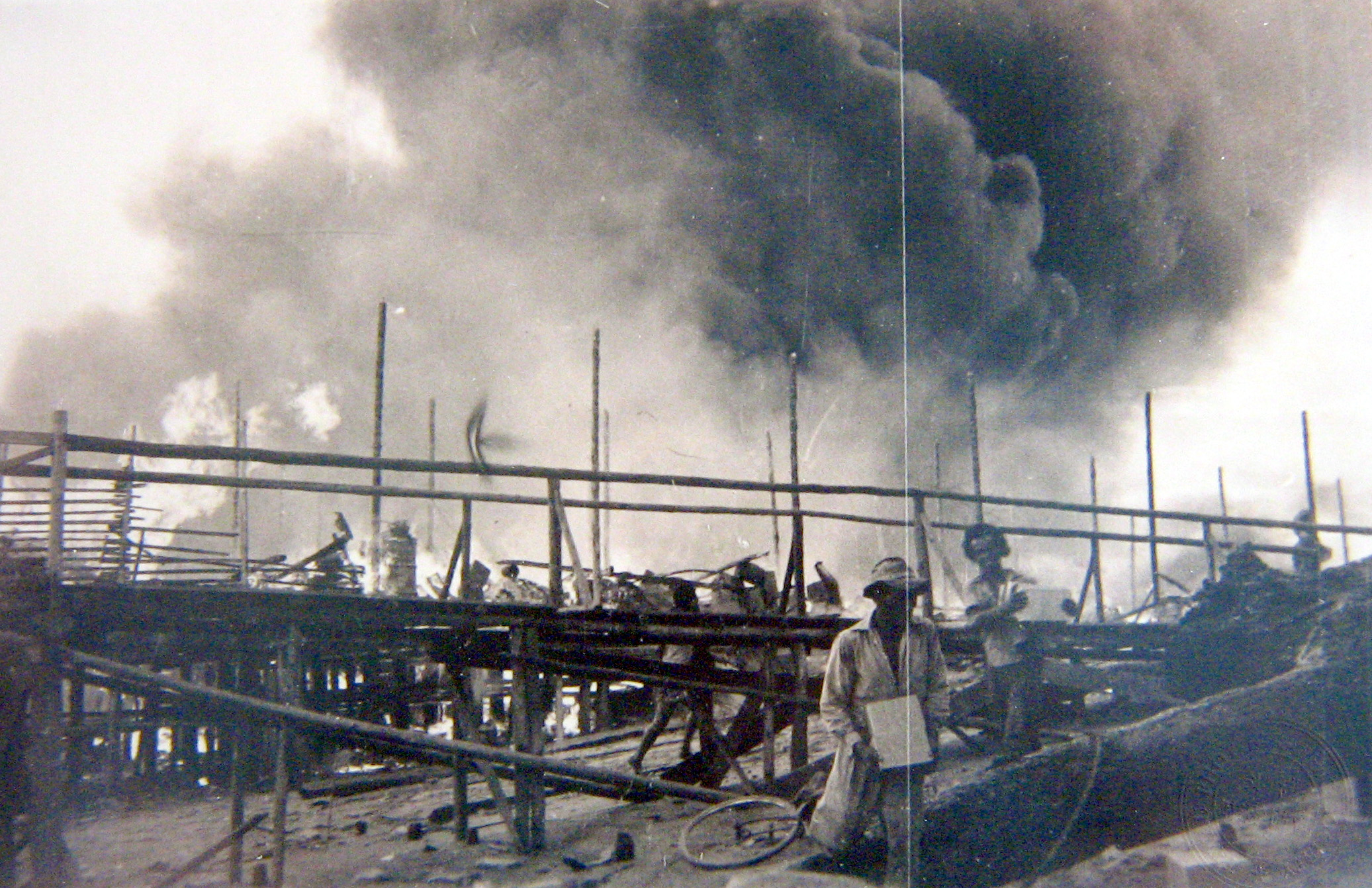
Historical Photographs

Conclusion: A Model of Transnational Adaptation
The Chinese community in Tawau represents a compelling case study in diaspora adaptation. Their experience demonstrates how migrant communities can:
Key Success Factors
Economic Niches: Identifying and developing complementary economic roles within plural societies
Institutional Resilience: Building schools, temples, and associations that sustain identity across generations
Adaptive Integration: Balancing cultural preservation with participation in broader society
Transnational Connectivity: Maintaining regional networks while establishing local roots
From frontier traders to established citizens, the Malaysian Chinese of Tawau have contributed significantly to transforming a remote border settlement into a thriving commercial center. Their journey reflects broader patterns of Chinese diaspora experience while demonstrating unique adaptations to Borneo's particular multicultural environment.
As Tawau continues to develop within Malaysia's East Malaysian context, the Chinese community faces the dual challenge of preserving distinctive cultural heritage while contributing to an inclusive national identity - a balancing act they have navigated with notable success for over a century.