Family Orchidaceae of Borneo
Discover the incredible diversity of orchids in Borneo's rainforests, from rare endemics to spectacular hybrids that thrive in this biodiversity hotspot.
Introduction to Borneo's Orchids
Why Borneo?
Borneo is home to one of the world's richest orchid diversities, with over 2,500 species identified. The island's unique geological history and diverse microclimates have created perfect conditions for orchid evolution and speciation.
Evolutionary Significance
Orchids represent one of the most advanced plant families, with complex pollination mechanisms, specialized growing requirements, and intricate relationships with fungi (mycorrhizal associations) essential for seed germination.
Habitat Diversity
From lowland dipterocarp forests to montane cloud forests, limestone karsts to riverine ecosystems, Borneo's orchids have adapted to virtually every available niche, making them excellent indicators of ecosystem health.
Taxonomic Classification
Kingdom
Plantae
Phylum
Tracheophyta
Class
Liliopsida
Order
Asparagales
Family
Orchidaceae
Subfamilies in Borneo
Apostasioideae, Cypripedioideae, Epidendroideae, Orchidoideae, Vanilloideae
Botanical Description
Key Characteristics
Orchids are distinguished by several unique features:
The family exhibits incredible morphological diversity, from microscopic flowers to inflorescences over 3 meters long. All orchids share a common floral structure with three sepals, three petals (one modified into a labellum), and a fused reproductive structure called the column.
Featured Orchid Species of Borneo
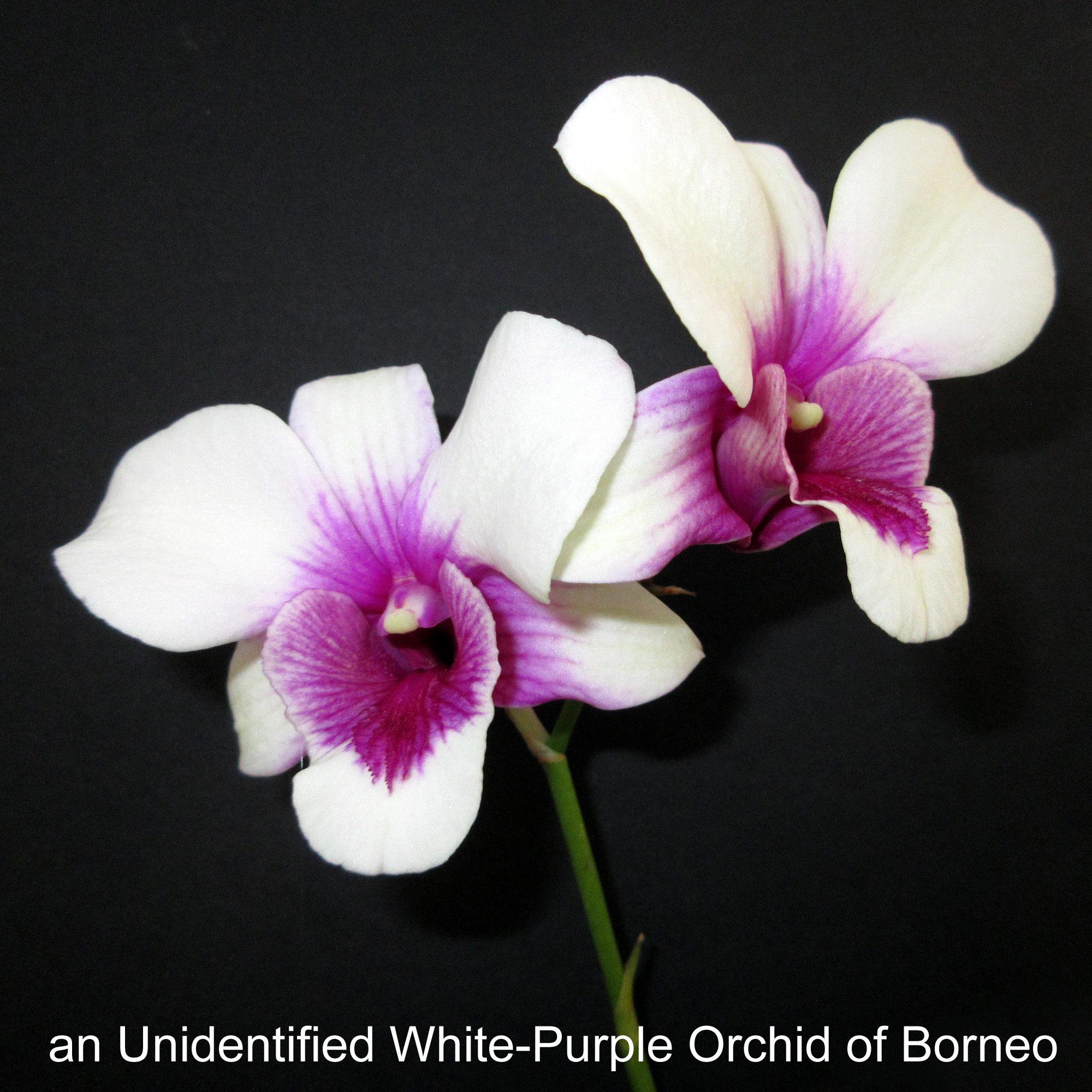
Twisted Petal Orchid
Dendrobium antennatum
天線石斛蘭
Distinctive twisted petals resemble insect antennae. Common in lowland forests, often found growing on tree branches.
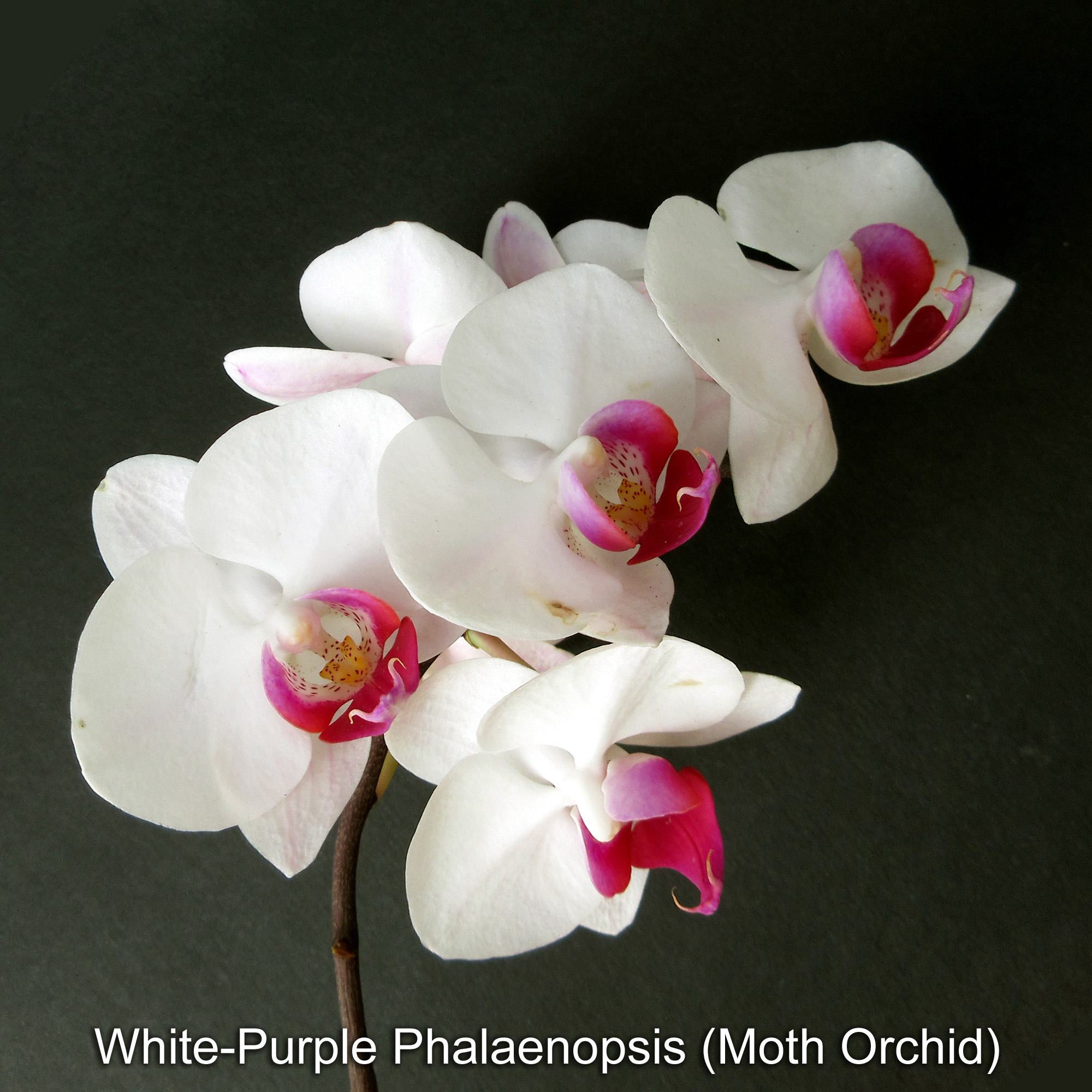
Moth Orchid
Phalaenopsis sp.
蝴蝶蘭
Named for their resemblance to flying moths. Popular in horticulture worldwide. Borneo hosts several endemic species.
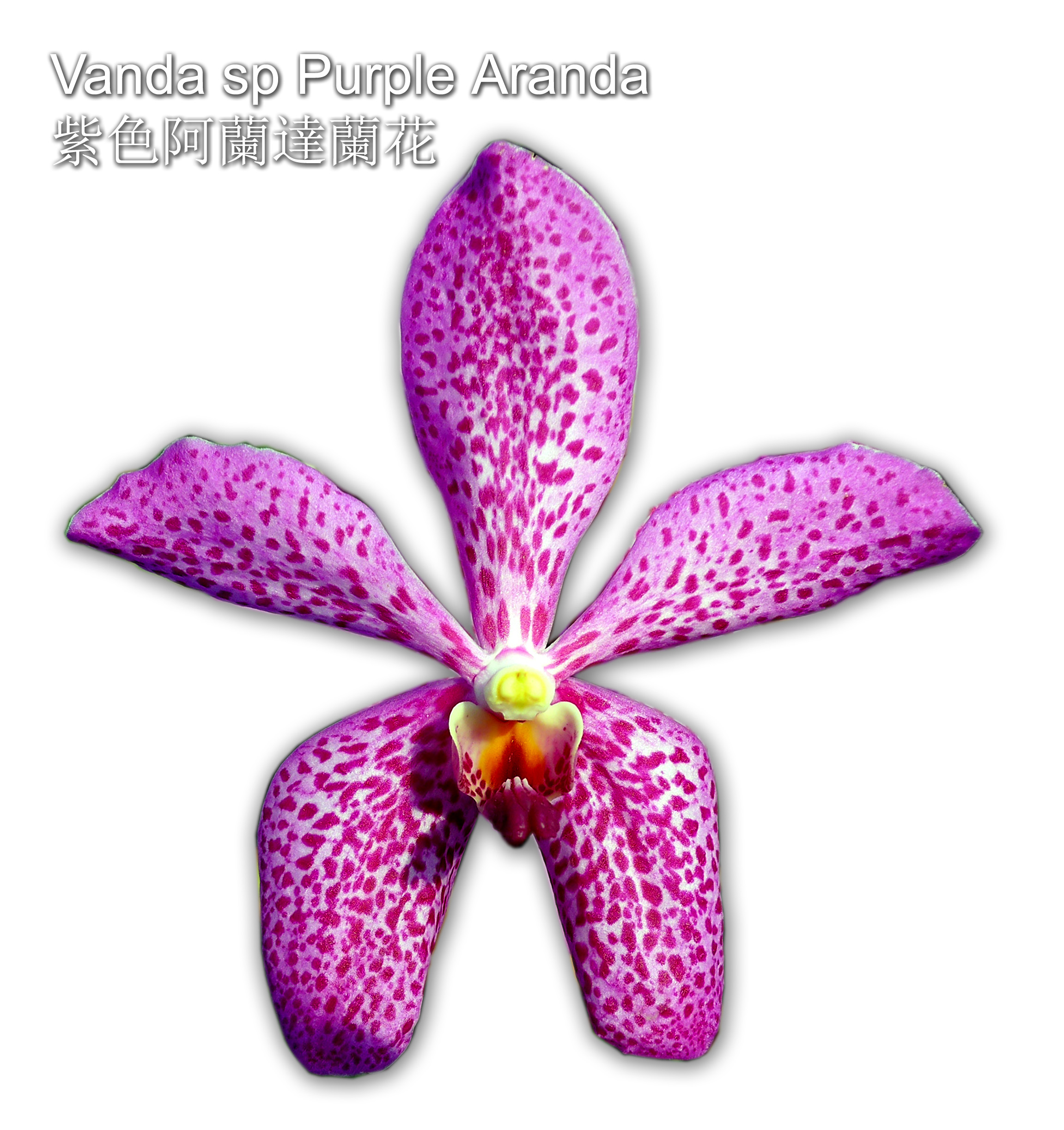
Purple Aranda
Vanda sp. (Hybrid)
紫色阿斯達蘭花(雜交蘭花)
A popular hybrid with vibrant purple flowers. Excellent for garden cultivation in tropical climates.
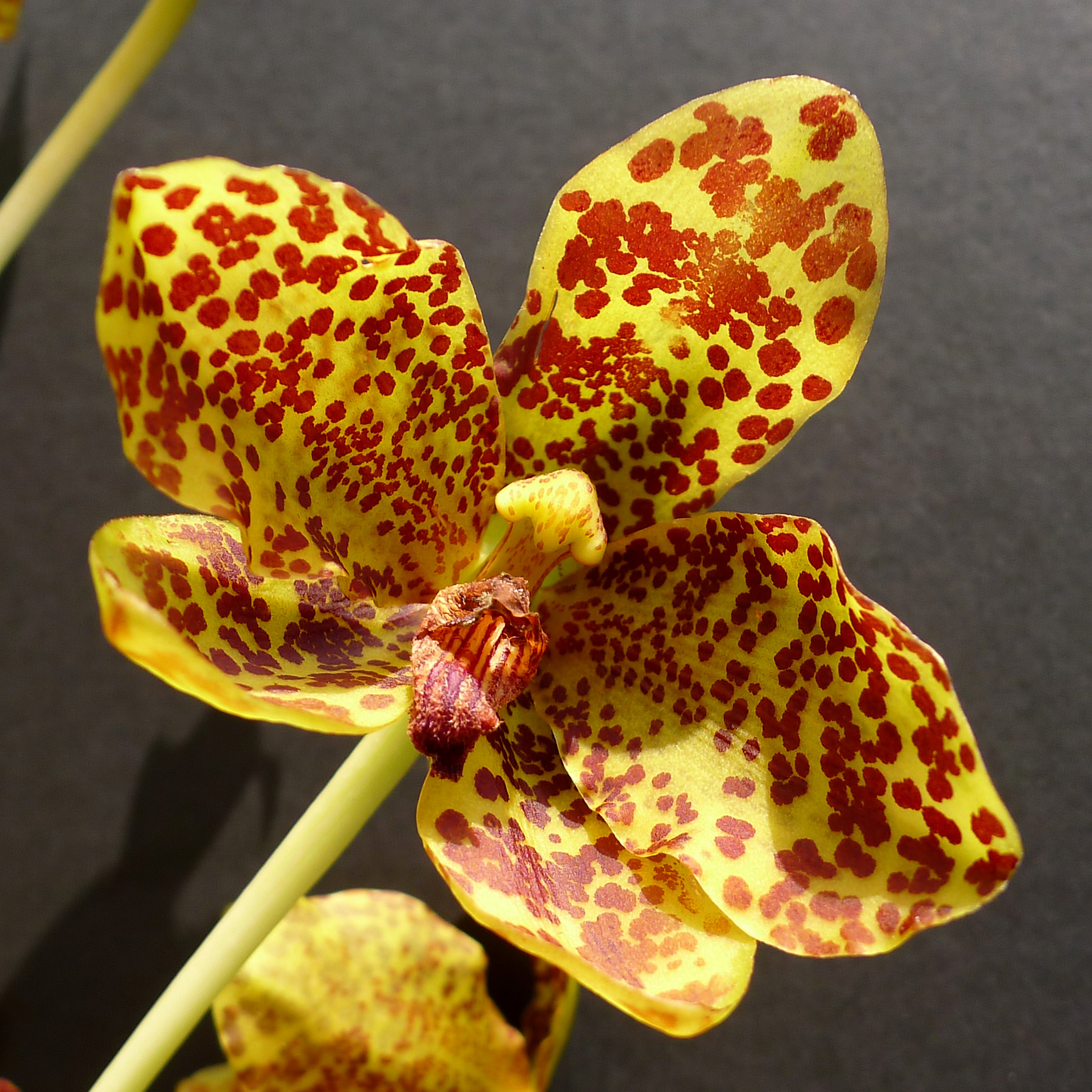
Tiger Orchid
Grammatophyllum speciosum
老虎蘭/巨蘭
The world's largest orchid species. Individual plants can weigh over 1 ton and produce up to 10,000 flowers.
Distribution and Habitat
Forest Types
Lowland Dipterocarp Forests: Highest orchid diversity, especially epiphytic species on canopy trees.
Montane Forests: Cooler temperatures support unique genera like Dendrochilum and Coelogyne.
Limestone Karsts: Specialized orchids like Paphiopedilum (slipper orchids) endemic to specific formations.
Microhabitats
Orchids occupy specific niches within forests:
- Canopy epiphytes: 70% of Borneo's orchids grow on tree branches
- Lithophytes: Grow on rocks, especially in limestone areas
- Terrestrial: Ground-dwelling in forest understory
- Saprophytic: A few species lack chlorophyll and obtain nutrients from decaying matter
Cultural Significance
Traditional Uses
Orchids hold cultural importance for Borneo's indigenous communities:
Medicinal Uses
Dendrobium species used in traditional medicine for treating fever, pain, and eye conditions. Some species contain compounds with anti-inflammatory properties.
Cultural Symbolism
Orchids symbolize beauty, strength, and fertility in many Bornean cultures. Used in traditional ceremonies and as decorative elements in longhouses.
Economic History
During the 19th century "Orchid Fever," Borneo was a major source of rare orchids for European collectors. This led to both exploitation and scientific discovery.
Economic Importance
Horticultural Trade
Borneo contributes significantly to the global orchid trade:
- Cut flowers: Dendrobium and Oncidium hybrids
- Potted plants: Phalaenopsis and Paphiopedilum species
- Breeding stock: Wild species for hybridization programs
- Local markets: Traditional orchid sales in regional markets
Biotechnology & Research
Orchids from Borneo are valuable for:
- Conservation genetics: Studying adaptation and speciation
- Tissue culture: Mass propagation of rare species
- Phytochemical research: Discovering novel compounds
- Pollination studies: Understanding plant-insect coevolution
Comparison of Major Genera
| Genus | Growth Habit | Flower Size | Pollination | Conservation Status |
|---|---|---|---|---|
| Dendrobium | Epiphytic, sympodial | Small to medium | Bees, butterflies | Mostly secure |
| Vanda | Epiphytic, monopodial | Medium to large | Bees, birds | Some threatened |
| Phalaenopsis | Epiphytic, monopodial | Medium | Moths | Several endangered |
| Paphiopedilum | Terrestrial, lithophytic | Medium | Flies, bees | Many endangered |
| Grammatophyllum | Epiphytic, large | Very large | Bees | Vulnerable |
Interactive Learning
Identification Key
Learn to identify orchid genera by their distinctive features
Pollination Match
Match orchids with their pollinators
Habitat Explorer
Discover where different orchids grow
Conservation Quiz
Test your knowledge of orchid conservation
Quick Orchid Knowledge Quiz
Did You Know?
Seed Marvels
Orchid seeds are among the smallest in the plant kingdom. A single seed pod can contain up to 3 million dust-like seeds, each requiring specific fungi to germinate in nature.
Flower Longevity
Some Bornean orchids have extraordinarily long-lasting flowers. Certain Dendrobium species can remain in bloom for 6-9 months, while most flowers last only days or weeks.
Chromosome Records
Orchids hold plant chromosome records. Some species have over 200 chromosomes (humans have 46). This genetic complexity contributes to their incredible diversity.
Conservation Status
Least Concern
Examples: Most Dendrobium species, common Phalaenopsis
Widespread and abundant in protected areas. Stable populations in natural habitats.
Near Threatened
Examples: Some Vanda species, certain Paphiopedilum
Facing habitat loss but still found in multiple locations. Monitoring required.
Vulnerable
Examples: Grammatophyllum speciosum, some endemics
Limited distribution, habitat specific, declining due to collection and habitat loss.
Conservation Efforts
Protected Areas
National parks and forest reserves in Borneo protect critical orchid habitats. Key areas include Kinabalu Park, Gunung Mulu National Park, and Danum Valley.
Ex Situ Conservation
Botanical gardens and seed banks maintain living collections and genetic material. Tissue culture techniques allow propagation of rare species without wild collection.
Community Involvement
Local communities participate in orchid conservation through sustainable cultivation programs and ecotourism initiatives that provide economic alternatives to habitat destruction.