Research Collaboration
Management Plans
Kinabalu Park as a World Natural Heritage Site. |
Last Updated on Saturday, 31 March, 2018 02:37:19 PM
| BUNDU TUHAN TOWN | KINABALU PARK | MOUNT KINABALU | PORING HOTSPRING | SABAH TEA GARDEN |
|
Malaysia has four World Heritage Sites
recognized by the United Nations Educational, Scientific and
Cultural Organization's (Unesco) World Heritage List. 1) Archaeological Heritage of the Lenggong Valley (AHLV) in Perak. 2) Historic cities of Melaka and George Town along the Straits of Melaka. 3) Gunung Mulu National Park in Sarawak. 4) Kinabalu Park in Sabah. |
The Kinabalu Park
Malaysia's
First World Heritage Site and surrounding attractions
100 km (2 hrs 30 minutes) from Kota Kinabalu City
|
Research Collaboration
Management Plans
Kinabalu Park as a World Natural Heritage Site. |
 |
|
|
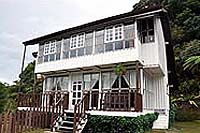
| LABAN RATA REST HOUSE | TWIN SHARE 1 | |
 |
 |
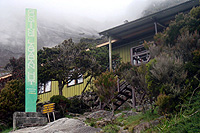 |
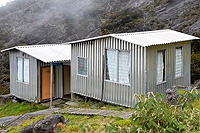
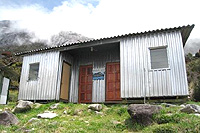
| PANAR LABAN HUT | WARAS HUT | GUNTING LAGADAN HUT |
|
ACCOMMODATION IN LABAN RATA |
||||
| ACCOMMODATION | UNITS | RATE | ROOM CONFIGURATION | TYPE OF FACILITIES |
| PANAR LABAN HUT | 8 BEDS | RM290 | DORMITORY BUNK BEDS WITH FULL BOARD |
BASIC COOKING FACILITIES, COMMON BATHROOM & TOILET, NO ROOM HEATER & HEATED SHOWER |
| WARAS HUT | 8 BEDS | RM290 | DORMITORY BUNK BEDS WITH FULL BOARD |
BASIC COOKING FACILITIES, COMMON BATHROOM & TOILET, NO ROOM HEATER & HEATED SHOWER |
| GUNTING LAGADAN HUT | 60 BEDS | RM290 | DORMITORY BUNK WITH FULL BOARD |
BEDS BASIC COOKING FACILITIES, COMMON BATHROOM & TOILET, NO ROOM HEATER & HEATED SHOWER |
| LABAN RATA REST HOUSE | 60 BEDS | RM330 | DORMITORY BUNK BEDS WITH FULL BOARD |
COMMON BATHROOM & TOILET, ROOM HEATER, HEATED SHOWER & RESTAURANT AREA |
| TWIN SHARE 1 | 1 UNITS | RM695 | 2 PERSONS (2S) WITH FULL BOARD |
ATTACHED BATHROOM & TOILET, ROOM HEATER, HEATED SHOWER & RESTAURANT AREA |
| TWIN SHARE 2 | 1 UNITS | RM695 | 2 PERSONS (2S) WITH FULL BOARD |
ATTACHED BATHROOM & TOILET, ROOM HEATER, HEATED SHOWER & RESTAURANT AREA |
| TWIN SHARE 3 | 1 UNITS | RM2,080 | 6 PERSONS (2S/2S/2S) WITH FULL BOARD |
ATTACHED BATHROOM & TOILET, ROOM HEATER, HEATED SHOWER & RESTAURANT AREA |
 |
 |
|
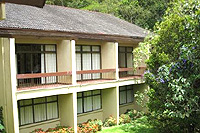
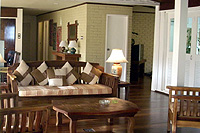
| GARDEN LODGE | LIWAGU SUITE | |
 |
 |
|
|
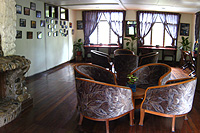
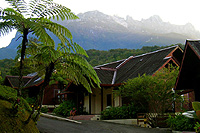
KINABALU LODGE |
THE HILL LODGE |
|
 |
 |
 |
|
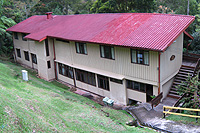
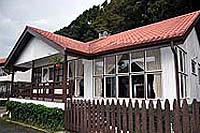
ROCK HOSTEL |
GRACE HOSTEL |
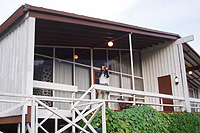
NEPENTHES LODGE |
 |
 |
|
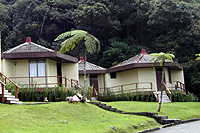
| THE PEAK LODGE | SUMMIT LODGE | GARDEN LODGE |
|
ACCOMMODATION IN KINABALU PARK |
||||
| ACCOMMODATION | UNITS | RATE | ROOM CONFIGURATION | TYPE OF FACILITIES |
| ROCK HOSTEL | 28 BEDS | RM100 |
DORMITORY
BUNK BEDS WITH BREAKFAST |
FIREPLACE, COMMON LOUNGE, COMMON BATHROOM, HEATED SHOWER & PANTRY |
| ROCK TWIN SHARE | 4 UNITS | RM310
|
2 PERSONS
(2S) WITH BREAKFAST |
FIREPLACE, COMMON LOUNGE, COMMON BATHROOM, HEATED SHOWER & PANTRY |
| GRACE HOSTEL | 20 BEDS | RM100 |
DORMITORY
BUNK BEDS WITH BREAKFAST |
FIREPLACE, COMMON LOUNGE, COMMON BATHROOM, HEATED SHOWER & PANTRY |
| THE HILL LODGE | 10 UNITS | RM365
|
2 PERSONS
(2S) WITH BREAKFAST |
ATTACHED BATHROOM & HEATED SHOWER |
| LIWAGU SUITE | 4 UNITS | RM435 |
2 PERSONS
(1K) WITH BREAKFAST |
1 BATHROOM, 2 TOILET, LIVING AREA, HEATED SHOWER, TV & ASTRO |
| THE PEAK LODGE | 4 UNITS | RM590
|
4 PERSONS
(2S/1S BUNK BEDS) WITH BREAKFAST |
DINNING & LIVING AREA, FIREPLACE, COMMON BATHROOM & TOILET, HEATED SHOWER, PANTRY, TV & ASTRO |
| SUMMIT LODGE | 1 UNITS | RM2,275 |
4 PERSONS
(1 K/2S) (PREMIER CHALET) |
DINNING & LIVING AREA, FIREPLACE, 2 BATHROOM & TOILET, HEATED SHOWER, KITCHEN, TV & ASTRO |
| GARDEN LODGE | 1 UNITS | RM2,275
|
4 PERSONS
(1K/2S) (PREMIER CHALET) |
DINNING & LIVING AREA, FIREPLACE, ROOM ATTACHED BATHROOM & TOILET, BATH TAB, HEATED SHOWER, KITCHEN, TV & ASTRO |
| NEPENTHES LODGE | 8 UNITS | RM685 |
4 PERSONS
(1K/2S) WITH BREAKFAST |
DINNING & LIVING AREA, FIREPLACE, COMMON BATHROOM & TOILET, HEATED SHOWER, PANTRY, TV & ASTRO |
| KINABALU LODGE | 1 UNITS | RM3,500
|
6 PERSONS
(1K/2S/2S) (PREMIER CHALET) |
DINNING & LIVING AREA, FIREPLACE, ROOM ATTACHED BATHROOM & TOILET, BATH TAB, HEATED SHOWER, KITCHEN, TV & ASTRO |
|
• PLANNING AN ITINERARY to climb Mount Kinabalu
|
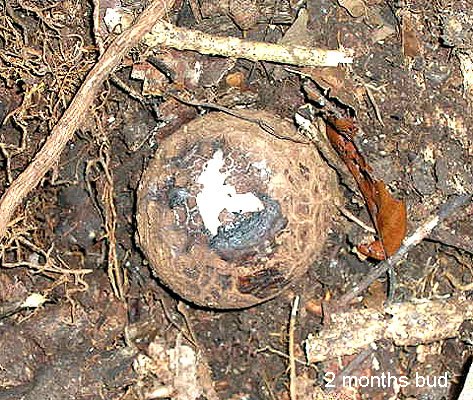
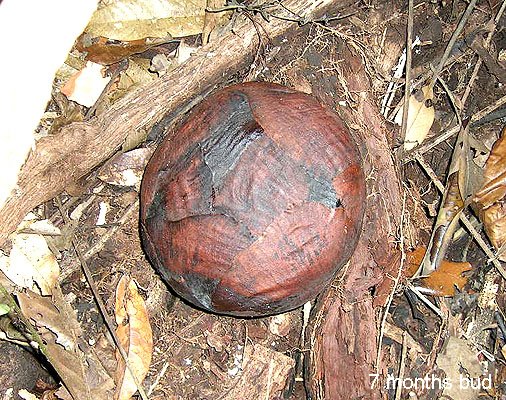
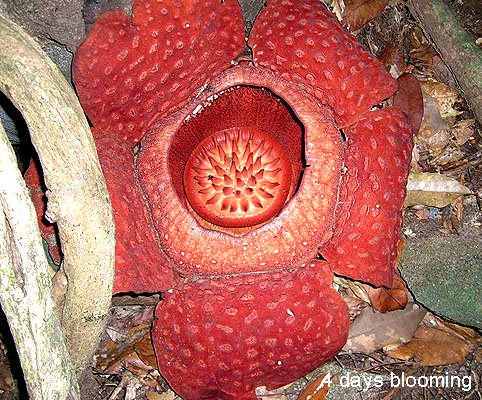
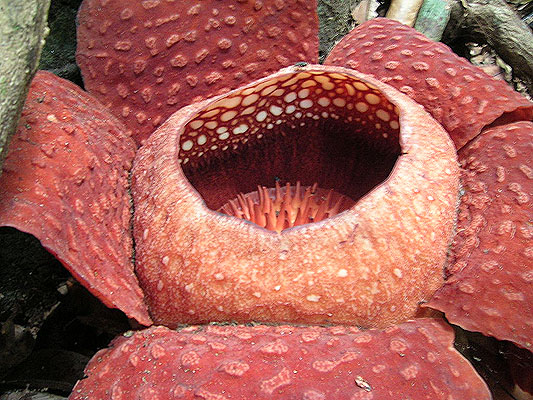
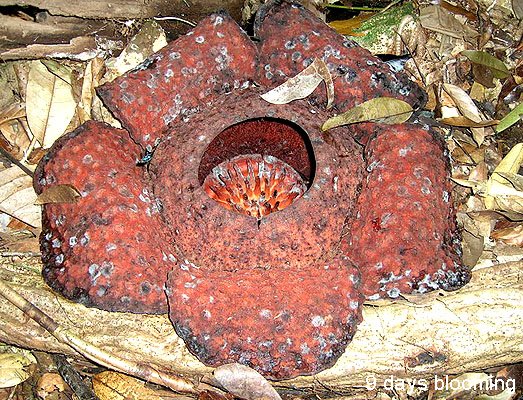
The Rafflesia is the biggest flower in the world.
 |
 |
 |
 |
 |
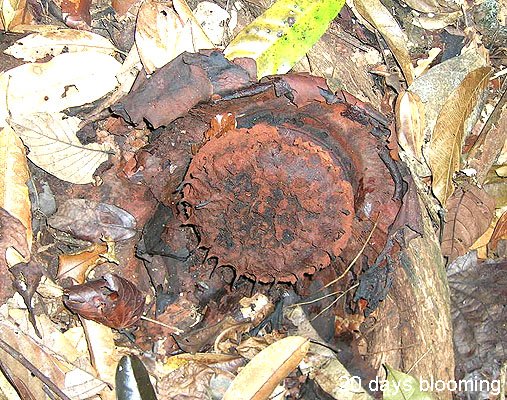 |
| 2 months bud | 7 months bud | 4 days blooming | 6 days blooming | 9 days | 19 days |
| Flora Fauna in Kinabalu National
Park : One of the largest flowers in the world
grows here. Its giant red blossom, the Rafflesia can grow to over 170 cm
in diameter. Several bird varieties including the Mountain Bush Warbler,
Kinabalu friendly Warbler, palefaced Bilbul and Mountain Blackeyes. More
the 250 bird varieties have been recorded. Small mammals which inhabit the
mountain include mountain squirrels, tree shrews and bats. |
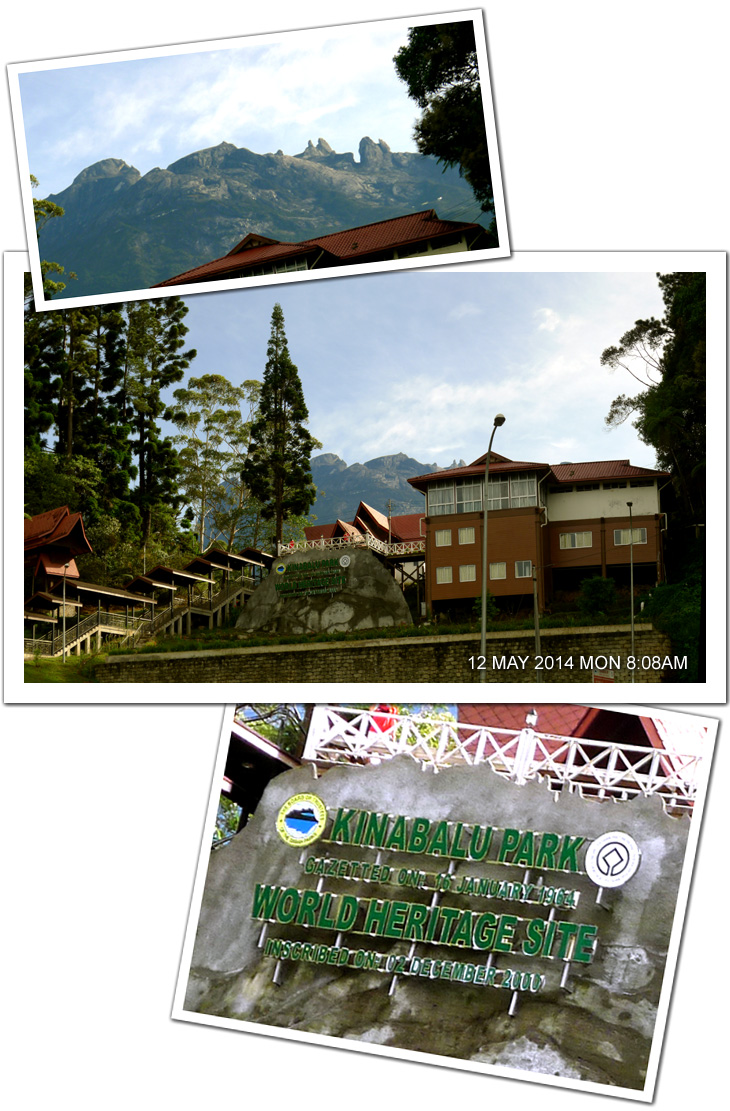
Kinabalu Park
馬來西亞世界自然遺產 : 基納巴盧公園
GAZETTED ON 16 JANUARY 1964
WORLD HERITAGE
SITE
INSCRIBED ON 2 DECEMBER 2000
http://whc.unesco.org/pg.cfm?cid=31&id_site=1012
| ABOUT KINABALU NATIONAL PARK ..."outstanding universal values"...
Malaysia's first World Heritage Site designated by UNESCO in
December 2000 for its "outstanding universal values" and the role as
one of the most important biological sites in the world.
Journey at least takes 2 hours from the city
airport.
All climbers climbing the mountain must be accompanied by
a qualified guide.
Accommodations, restaurants, souvenir shops and exhibition centres
are some of the facilities provided at the Kinabalu Park HQ. |
|
The Park Headquarters at 1,524 meters above sea level, has a range of accommodation facilities, restaurants and an exhibit centre. |
|
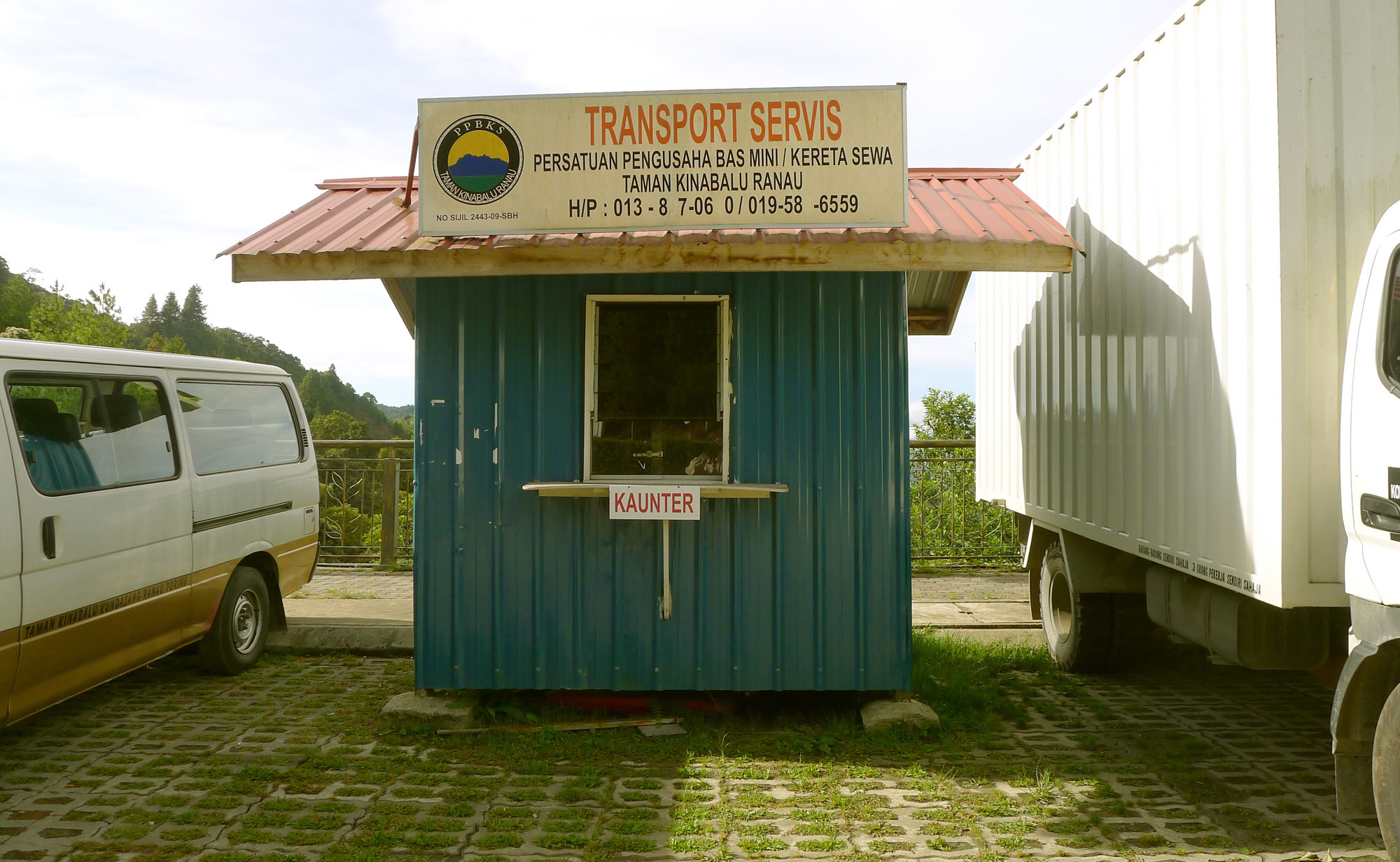
TRANSPORT SERVICE COUNTER at the car park of the Kinabalu Park in front the main entrance Mini Bus and rent-a-car services available here. |
|
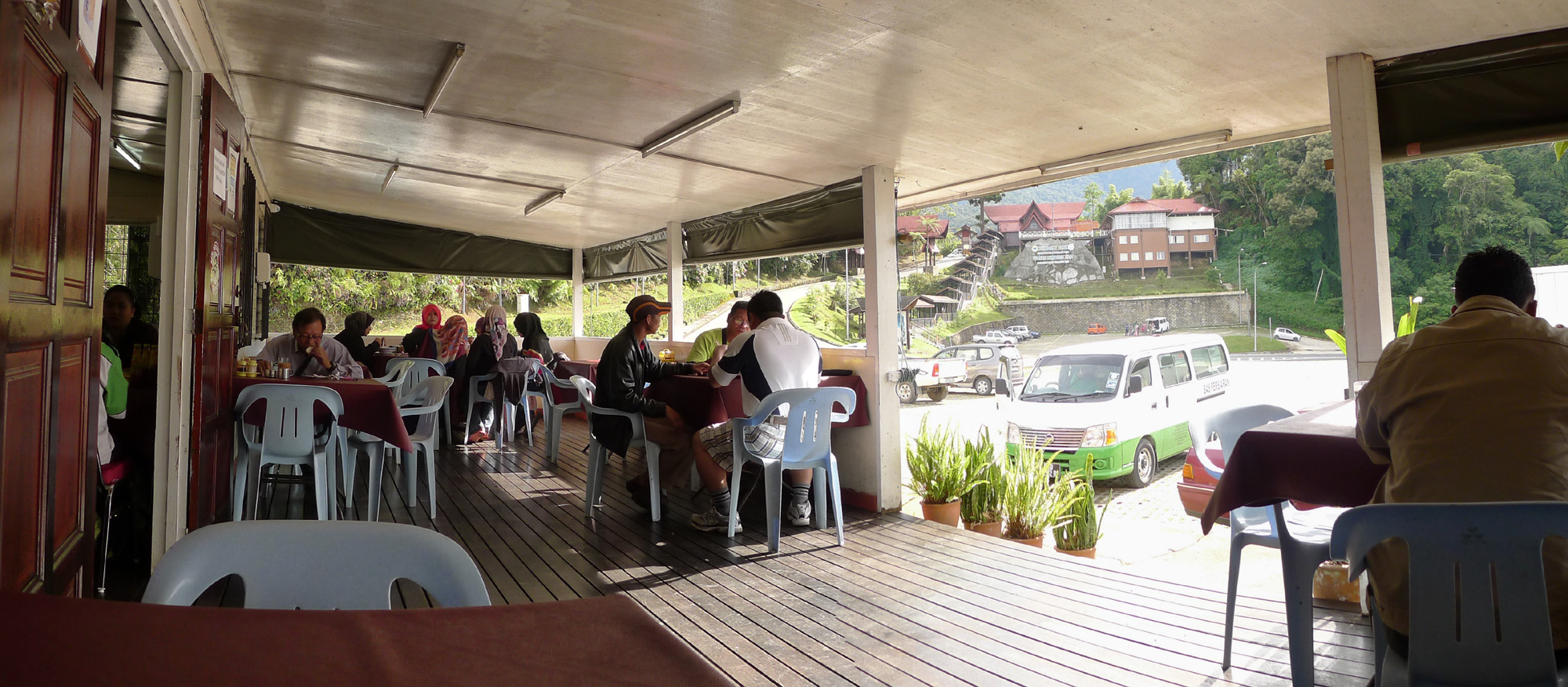
Panataran Cafe Panataran Kinabalu Restaurant |
|
Optional Porter Fees In accordance with the Sabah Parks Rules & Regulations, all climbers must be accompanied by a mountain guide at all times while ascending and descending Mount Kinabalu. |
|||
| Mesilau Trailà Timpohon | Timpohon GateàTimpohon | Mesilau Trailà Mesilau | |
| To Laban Rata | RM76.00 | RM66.00 | RM88.00 |
| To Sayat-Sayat | RM88.00 | RM80.00 | RM100.00 |
| To the summit | R100.00 | R88.00 | R110.00 |
|
Mountain Guide Fees |
|||
| TimpohonàPeakà Timpohon | TimpohonàPeakà Mesilau | MesilauàPeakàMesilau | |
| 1-3 Climbers | RM70.00 per trip | RM80.00 per trip | RM84.00 per trip |
| 4-6 Climbers | RM74.00 per trip | RM86.00 per trip | RM90.00 per trip |
| 7-8 Climbers | RM80.00 per trip | RM92.00 per trip | RM100.00 per trip |
| LOCATION |
ACCOMMODATION/SERVICE |
CHARGES in MALAYSIAN RINGGIT | |
| Malaysian | Non-Malaysian | ||
| Kinabalu Park | Conservation Fee (per person) 1- 18 years and above |
Rm 3.00 Rm 1.00 |
Rm 15.00 Rm 10.00 |
| Rafflesia Conference Room (per day) | Rm 250.00 | ||
| Multi-Purpose Hall (per hour) | Rm 50.00 | ||
| Visit Certificate to World Heritage Site | Rm 5.00 | ||
| Mountain Climbing | Permit Fee (per person) (Climbing from Mesilau Nature Resort or from Timpohon Gate) 1- 18
years and above |
Rm 30.00 Rm 12.00 |
Rm 100.00 Rm 40.00 |
|
Insurance (per accident)
|
Rm 7.00 (per person) Rm 50,000.00 Rm 50,000.00 Rm 5,000.00 Rm 2,000.00 |
||
|
Certificate |
Rm 10.00 Rm 1.00 |
||
| The 754 square km Kinabalu Park situated in Sabah is the Malaysia’s
first “World Heritage” designated by UNESCO in December 2000 for its
role as one of the world’s most important biological sites.
|
One of the earth's last frontiers of wilderness, this is a natural paradise. The park is home to an incredibly diverse range of flora and fauna.
The park is home to an incredibly Rafflesia, the world's largest flower.
It has been designated as a Centre of Plant Diversity for Southeast Asia and is exceptionally rich in species. The Park contains high biodiversity with representatives from more than half the families of all flowering plants.
This distinction has earned it considerable attention in myth and legend as well as in geography, and the mountain has for most of history been revered as a sacred spot.
The hundreds of square kilometers encompassed by its slopes, from sea level to the jagged stone edge marking its summit, form the Kinabalu National Park.
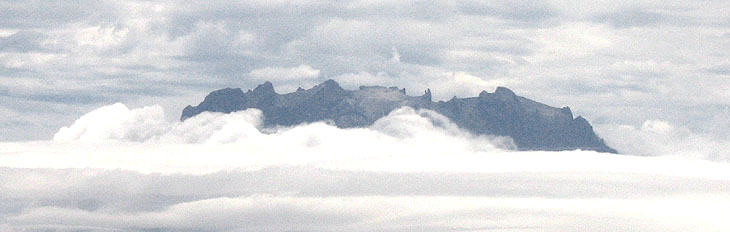
Towering 4,101 meters (13,455 ft) above the mysterious tropical jungles, Mount Kinabalu is the majestic center piece of Kinabalu Park and is also the highest mountain in Southeast Asia. The majestic mountain has a fascinating geological history.
The Park is an ideal spot for day visitors who simply want to get away from it all and enjoy the cool air, as well as those who wish to stay for a few days and climb the mountain or explore the forest trails.
The Headquarters is situated on the southern boundary, at an elevation of 1,524m (5,000 ft). Visitor accommodation, restaurants and an exhibit centre are found here. It is only a 2 hour drive from Sabah's capital of Kota Kinabalu on a good sealed road
Today, the allure of this awe inspiring mountain and its great heights act like a powerful magnet and challenge, which attracts eager climbers from all corners of the world.
About 30,000 people scale the mountain each year, including more than 10,000 foreigners.
Despite its intimidating size, Mt. Kinabalu is the one of the easiest mountains in the world to climb. No special skills or equipment are needed
Each year, thousand of visitors climb to the summit of Mt. Kinabalu's Low Peak.
If you are a first-time visitor it is well worth to go to some of the free visitor programs organized by the Park. Regular evening slide/film shows and guided trail walks in the mornings are given by the Park Naturalists at the Park Headquarters.
The climb up to Kinabalu is one reason why visitors come. .Kinabalu is one of the easiest mountains in the world to climb. No special skills or equipment are needed. Each year thousands of visitors undertake the expedition in two to three days.
Accommodation is available all along the climb, the highest lodging being the Sayat Hut at 12,500 feet.
Those with high blood pressure or heart problems should not make the climb because of the high altitude involved.
Though the Kinabalu Park is famous largely for the climb, the climb is in turn as famous for the beauty of its route as for the view from the top. Kinabalu's slopes possess a wealth of plant growth and a large variety of birds,
Much of the climb's interest and beauty lies in tracing the transitions from one ecosystem to the next as one reaches ever higher altitude.
For visitors with more time to spend in Kinabalu, there are graded paths leading through rich lowland forest to Mountain Rivers, waterfalls, and tumbled bat caves.
Highest Point of Mount Kinabalu (4,101 meters) Size: 4,343 sq. km
Activities:
Recreation at high altitudes.
Bird watching,
exploring forest trails (lower mountain forests and lowlands).
Climbing Mt. Kinabalu. Spectacular photographic opportunities.
Opportunities to see Rafflesia in bloom and various species of Flowers.
For further full information check the tourism site : www.sabahtourism.com
|
Kinabalu Park - Malaysia's first World Heritage Site, is a botanical paradise blessed with an astonishing variety of flora and fauna that ranges over 4 climate zones. While the focus of the Park Is Mount Kinabalu, many visitors com enjoy the serenity of this place. A minimal entrance fee Is imposed at the entrance of the Park headquarters. Distance from Kota Kinabalu : Approx. 100 km / 2 hrs 30 minutes. How to get there: Take bus from Padang Merdeka (between 6 am -6 pm), fare is around MR 15-19 per person, one way. or call your favorite tour operator to arrange for a day trip that can include visit to surrounding attractions such as Poring Canopy Walkway, Sabah Tea (for tour prior booking essential) and Kundasang War Memorial. |
| World's Highest Mountain Torq at Mount Kinabalu Mountain Torq Via Ferrata, a mountain path (via ferraia is Italian for iron road) was opened at Mount Kinabalu, Sabah in early January. The Mountain Torq Via Ferrata, comprising rungs and cables embracing the mountain's rock face, is located at 3,800 meters of the 4,095-metre summit. It has also been certified by the Malaysia Book of Records as the world's highest and Asia's first mountain torq. The mountain torq, with various alternative routes, enables people of all ages to enjoy climbing Mount Kinabalu's rock faces, giving them a chance to view the mountain from different angles. The path allows access to scenic sections of the summit normally accessible only to rock climbers and mountaineers. |
|
TRAILS OF WONDER Step into Wonderland and follow any of numerous trails around Kinabalu Park. Even though it is the most explored and studied place in Borneo, new discoveries of rare and endemic plants are constantly being made here. So take a map and set off on your own or follow Park Naturalists as they take you on guided trail walks and point out the various wonders. There are also audio-visual shows featuring rare flora and fauna found here. If you are a first time visitor, sign up for these shows and you'll be thrilled when you find yourself identifying the same denizens on your walks - or during your climb up Mt Kinabalu. Mt Kinabalu Botanical Garden (Mountain Garden) - is one of the biggest attractions at the Park. Started in 1981 this 5-acre Garden is an excellent showcase of the diverse plant- life on the mountain, as flora from all over the Park has been replanted here. Many of these plants are not only lovely to look upon but have medicinal value too, as proven by the local Dusun community. There are hotels, lodges, chalets and hostels at Kinabalu Park, Kundasang, Ranau and Poring to suit ones budget. For information see www.sabahtourism.com |
|
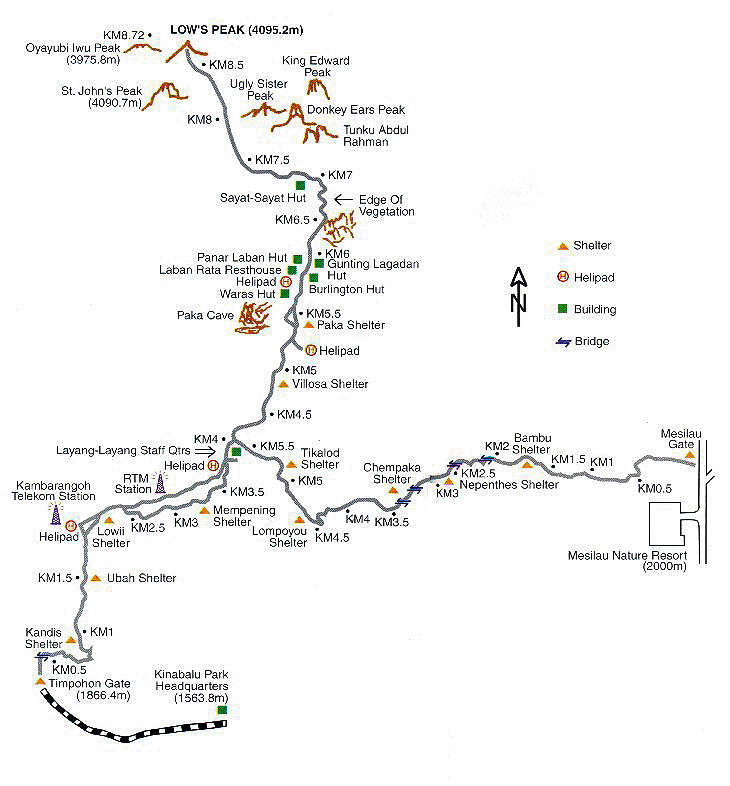
Trail to the Top Arrangements For Climbing • Come to the Park Naturalist's free programmes at Park Headquarters.
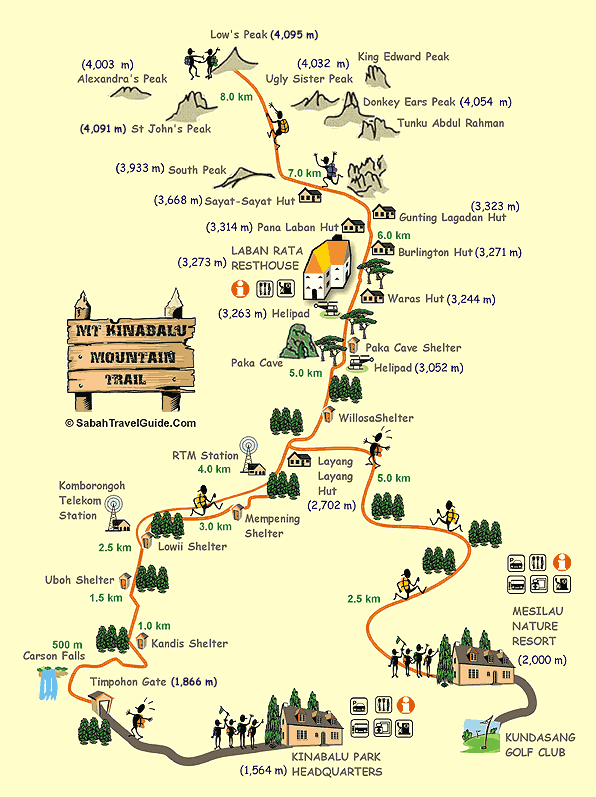
They will tell you about the climb and advise you on what to take. Climbing Mt Kinabalu can be done in 2 days but a more comfortable climb in 3-days is recommended to acclimatize to the altitude and fully enjoy the rich biological diversity - the exotic rare plants, orchids, birds and many more. While it does not require special skills to do the climb, you must at least have the basic fitness level. Park regulations require climbers have to engage the services of a registered mountain guide. The numbers of guides depend on the number of climbers. Porter services are available and recommended. Book and pay for your mountain guide and porter at the Kinabalu Park. Two (2) trails lead to the top, the Summit Trail and Mesilau Route. The 2 trails meet at Layang-Layang at 2,740m (or Km 4 from Timpohon Gate). The Summit Trail is the well trodden main route taken by most climbers, since the beginning. Starting from the Park Headquarters, it used to be that climbers walk the 4_ Km up to the Timpohon Gate at 1,866.4 m where the Summit Trail starts. Today most climbers opt to take the shuttle transport. Interestingly, the climb actually begins with the descent to Carson's Falls, named after the first Park Warden of Kinabalu Park. From here onward, depending on your fitness level, it is about 4 to 5-hour climb for the day The trail winds up a steep staircase of gnarled tree-roots to a mossy world of drifting clouds and orchid-draped trees, where pitcher plants and rhododendrons abound. There are several Pondok (or Shelters). The first shelter is Pondok Kandis at 1,981.7m where on a clear day, a view of the road that links Kota Kinabalu to the Park can be seen. The second shelter is Pondok Ubah at 2,081.4m, the area where one of Borneo's most unusual pitcher plants grows - the Nepenthes lowii, so do look out for these oddly-shaped plants. The third shelter is Pondok Lowii. The trail continues up to the mossy forest of mixed bamboos and tree ferns. More rhododendrons are seen. The fourth shelter at 2,515 m (8,251) is Pondok Mempening is reached with wild begonias growing nearby. Stops at these shelters give one time to observe the squirrels, tree shrews and birds that seem so unafraid of the climbers. You will also see the Layang-Layang TV station. Soon you will emerge to an open exposed ridge at Layang-Layang (previously known as Carson's Camp), at 2,702 m (8,865ft) this is where the Summit Trail meets with the Mesilau Trail. At this point a band of ultramafic soil, distinguished by its orange-cinnamon color, crosses the trail and the vegetation changes dramatically. The forest becomes shorter and much more open and is dominated by the second species Leptospermum that grows on Kinabalu, L.recurvum, with its tiny grey leaves and Dacrydium gibbsiae, a very beautiful conifer, both found only with the Kinabalu Park. This is also the zone of the insect-eating pitcher plants for which Kinabalu is famous. Of the 30 species of pitcher plants recorded from Borneo, around 10 grow on the mountain and at least 3 species are found nowhere else in the world. These include the spectacular Nepenthes rajah, the largest pitcher plant in the world and the beautiful N.villosa. These plants are delicate and easily damaged by trampling feet. Please look carefully where you tread, The fifth shelter, Pondok Villosa, at 2,690m (8,825ft) is situated at the top of an open rocky patch and soon the forest becomes even more stunted. Here are found the scurfy orange young leaves of the endemic Haviland's oak add a touch of color. Superb view can be seen of Mt Kinabalu towering above as you follow the trail upwards. More rhododendrons are seen, some species that are Kinabalu endemics. Schima brevifolia (a relative of the tea plant) with its young purple leaves and beautiful large camellia-like flowers is common from here. At the top of this open area at 3,050m (10,000ft), a small track leads off to a helipad on the right and it is worth making this 5-minute side trip for the dramatic view of the towering peaks from the helipad on a clear day. After the helipad junction, the ultramafic soil ends and the forest are again the taller trees covered with mosses and orchids cover the ground in between granite boulders. At this elevation, about 60% of the ground cover is orchids. Within a few minutes you arrive at the sixth shelter, Pondok Paka at 3,080m (10,105ft), named after Paka Cave nearby, made famous because it is here that the very first summit expedition led by Sir Hugh Low sheltered, rested overnight before J climbing to the summit on the morning of llth March 1851. The Paka Cave, on the edge of a small stream is nothing more than a large overhanging rock. The thinning air makes it harder to breathe. Finally, the various accommodations for overnight stop is reached, at Waras Hut, Laban Rata, Panar Laban or Gunting Lagadan Hut. The most comfortable is Laban Rata which equipped with running water, electricity, a restaurant, indoor showers and toilets. Panar Laban 'the place of sacrifice' was where Sir Hugh Low and his local guides performed a ritual sacrifice to appease the ancestral souls for their 'disturbance' to the spirit world and to seek safe passage. This same sacrifice is still performed each year and when there is a major expedition or event on the mountain. |
|
The Mesilau Route to the Summit starts from Mesilau
Resort and leads to Layang-Layang (Carson's Camp). It was
opened in October 1998 initially used mainly by scientists and
researchers as it takes longer (about 5 to 6 hours to reach
Layang-Layang, as compared to 2 - 3 hours, from the
Timpohon Gate. Visitors who wish to take this Route must
register and pay a small fee at Mesilau Gate. ' The trail is a good one for people who are more interested in plants and wildlife than in the actual climb to the summit of the Mt Kinabalu. Conifers, climbing bamboos, superb Agathis trees grow in the area. Near the ridge crest at about 2,000m (6,500ft) the forest becomes stunted, with rocks, tangled tree roots, covered in spongy mosses and liverworts. There are many delicate orchids and beautiful orange-coloured Rhododendrons. Some little streams are crossed before reaching the Kipuyut Bridge across the swift-flowing West Mesilau River that cascades from the precipitous slopes. Near the 3 Km mark, a tributary of the river is again crossed. From here the trail follows the ridge, rising steeply and continuously, up and up and up in an almost never-ending series of steps for about 2_Km. From here another 500 metres of trail contouring around the massif bring you out to the Summit Trail, a little way above Layang-Layang. The whole Layang-Layang is 5.7Km (3 1/2 miles).
|
| The Climb to the Peak After a night's rest, most climbers leave at about 3.00am for the 3-hour trek (pending on fitness level) to the summit and to catch a magnificent sunrise, weather permitting. In the dark, you can see the beams of torch lights as the procession of climbers trudge higher and higher. There are ladders, hand railings and ropes to help you over the steeper slopes. An hour from Panar Laban, you'll see the Sayat-Sayat Hut (3,668m), this is the highest shelter on the mountain for Park use only. From here, you will walk across the bare granite slabs that stretch endlessly ahead, in an eerie moonscape of stone. The vegetations are stunted shrubs and tough grasses in the crevices. By about 6.00am, you reach your final destination; the highest point on Mt Kinabalu, the summit of Borneo at 4,095.2m is Low's Peak! As you wait in the cold, dawn gradually creeps over the horizon, illuminating the darkness with the light of a new day. In clear weather, you can almost see all of Sabah spread out below ... From this vantage point, you'll also see a dramatic drop more than 1,000m down ... this is the Low's Gully. In 1998, a joint Malaysian-British expedition successfully descended into the Gully. Expedition members believe that it was not so much a 'conquering' of the Gully, as an acceptance by the mountain to let them through, perhaps due to the spiritual rituals before and after the expedition. A chasm stretching 16Km in length, it separates the summit plateau into the Western and Eastern Plateaus. Other peaks on the mountain are Victoria's Peak(4,090m), Donkey Ears Peak (4,054m), South Peak (3,921.5m) and St John's Peak (4,090.7m) on the Western Plateau. On the Eastern Plateau, stand King Edward Peak (4,086m), Mesilau Peak (3,801.3m) and King George Peak (4,062.6m). These peaks are only for experienced climbers as it is a challenging climb. Special Permits from the Park authorities is required. It can be very cold with strong wind at the summit. Hence, climbers are advised to descent as soon as possible. You may be lucky to have good mountain condition and able to stay longer. It is advisable to descent before the swirling clouds could obstruct visibility. It takes about 2 hours to descent to Panar Laban/Laban Rata. Check-out time is 1 Cam. The descent to Timpohon Gate takes about 4 to 5 hours. The slowest descend Record from Panar Laban to Timpohon Gate is 12 hours!
|
| The Kinabalu Park, covering an area of 754 sq. kilometers
including Mt. Kinabalu, Mt Tambayukon to the north and their foothills, was
gazette to preserve the valuable natural heritage encompassed within the
mountains and its natural environment. The majestic mountain, has a fascinating
geological history. It began approximately a million years ago when the granite
core lying beneath the earth's crust was solidifying. This granite massif was
later thrust upwards through the crust to the surface. Subsequent erosion
removed thousands of feet of the overlying sand and mud stone exposing this
massif. During the Ice-Age, glaciers running through the summit plateau,
smoothed it out but the jagged peaks that stood out above the ice surface,
remained unaffected by these 'cosmetic' touches and retained their extremely
ragged surfaces. This rugged mountain 4093 meters above sea level, and still
imperceptibly rising, is the focal point of the National Park.
|
|
• STUNNING FLORA AND FAUNA Kinabalu Park is Borneo's botanical paradise. It is home to
about 1,200 species of orchids, 26 species of rhododendrons, 9
species of Nepenthes pitcher plants, over 80 species of fig
trees, over 60 species of oaks and chestnut trees, 100 species
of mammals, 326 species of birds - the list goes on! The Park
has continually attracted top naturalists and botanists from
around the world and been proclaimed an area with the richest
diversity of flora and fauna. The forest of Kinabalu are some of the richest in the world with an estimated 5,000 flowering plants, and this does not include the innumerable mosses, ferns and fungi. Wild orchids grow in abundance and range in size from a pinhead to huge stems over 2m. in length. Look out for the beautiful Slipper Orchids, which command much commercial interest with the Rothchild's Slipper Orchid so preciously coveted it is considered the "Kinabalu Gold". The world's largest pitcher plant can also be found in Kinabalu Park, The insect-eating Rajah Brooke's Pitcher Plants have pitchers that can hold up to 3.5 litres of water! 19 species of the beautiful Begonia plants have been documented, with probably half that number being endemic. The Begonia Chongii, a rare Begonia plant found on the west side of the mountain, is a recent discovery. It was named in honour of the then Chief Minister of Sabah, YAB Tan Sri Chong Kah Kiat in recognition for hi enthusiastic support for the natural environment, conservation and protection of Sabah's Parks. |
|
FAUNA The Bornean mountain ground squirrel Dremomys eve are often spotted scampering about in the scrub vegetation while the mountain tree shrew Tupaia montana are easily spotted along the mountain trails. You may even come across a red-necked keelback snake sunning itself along your path. The variety of birds range from mountain black eye, mountain black bird, Borneo eye bright, Euphrasia borneensis, and the now 'not-so-friendly' nor so easily sighted Friendly Kinabalu Warbler. This Wonderland features some of the most amazing creations of nature. Since animals are not easily seen, patience is virtue — that you will be blessed with rare and captivating sights! A stroll past the road-side lamps at the Park Headquarter on dark wet nights or at dawn will reveal moths, beetles and other insects in all shapes, sizes and colours. Some are camouflaged in delicate mossy greens and greys, while others flaunt bright contrasting colours or red, black and white. There are 'twigs' that walk and 'leaves' that fly! Look closer and you'll find that they are actually insects. This abundance of insects and plants play a big hand in supporting a thriving bird population. Over 300 species have been recorded in the Park. There is the Grey Drongo with white eye-ring and forked tail, and the heavy, long-tailed Malaysian Treepie are two of the commonest at the Park Hq. Higher up, you will find the small green Mountain Blackeyes and the larger red-breasted Mountain Blackbirds. |
|
PORING HOT SPRING A visit to the Kinabalu Park is not complete without a jaunt to Poring. "Poring" is Kadazandusun word for the bamboo species growing in the area. Situated 40 Km (25 miles) away slightly northeast of the Parks HQ, Poring is in the lowlands, a complete contrast to the Parks HQ. Soak away the sores and aches of muscles in the hot sulphuric minerals of this spring, claimed to have curative powers and very popular with the locals. BUTTERFLY FARM Here you will find several species of colourful and striking butterflies. Borneo's first, this farm features a garden, nursery and hatchery for purpose of research, education and the preservation endangered species. PORING ORCHID CONSERVATION CENTRE With 1,200 species of orchids found with Kinabalu Park, the Centre has the largest live collection of the Sabah Orchid and rare endemic wild orchids. TROPICAL GARDEN Mousedeers and deers relax under the gaze of colourful birds in the aviary. PORING CANOPY WALKWAY A must-visit! Stroll amidst the canopy of the Menggaris tree - the King of the Forest. The Walkway is 157.8m long and 41m high! THE RAFFLESIA The world's biggest flower, Rafflesia is one of the hardest to find. Fortunately, Sabah is known to have the largest concentration of the Rafflesia population. This rare and exotic flower takes up to 15months to bud but only lasts 7 days in bloom. The Park will post a Notice to announce a Rafflesia in bloom or bud. |
|
• ACCOMMODATION • Double Storey/Deluxe Cabin |
|
At Poring Hot Springs • Old Cabin |
|
• ACCOMMODATION FACILITIES ON THE MOUNTAIN The park also provides lodging facilities for climbers. These facilities are situated on the mountain at two altitudes; 3353 m and 3810 m. They serve as overnight rest areas prior to the ascent to the summit. Rest House / Mountain Huts At 3353m • Laban Rata Rest House - 3322 Metre 1 rest house (10 bunks) Canteen and shower facilities provided • Gunting Lagadan Hut - 3353 Metre 1 hut (44 bunks) • Panar Laban Hut - 3353 Metre 1 hut (12 bunks) • Waras Hut - 3292 Metre 1 hut (12 bunks) |
| Mountain Huts At 3810 Metre • Sayat-Sayat Hut - 8810 Metre 1 Hut (8 bunks) The mountain huts provide wooden bunks with mattresses, gas cylinders, cooking utensils and a limited supply of eating utensils, climbers must bring their own food for cooking. |
|
AROUND KINABALU PARK When visiting the Kinabalu Park and Poring Hot Springs, do take the opportunity to visit the many places of interests along the way ... Kundasang is 6Km (4miles) from the Kinabalu Park HQ, renowned for temperate vegetables. A long row of wooden stalls 'geraF bustling with vegetable whole-sellers. Pick-up trucks fully laden with vegetables from farms around the valley deliver and unload their goods at the stalls. Bulk-buyers come from all over Sabah, even Sarawak and Brunei. Passing travellers also stop to purchase. Nearby are a few rows of shops, seemingly sleepy except on Fridays, the weekly Tamu, market day. Kundasang War Memorial and Gardens is like a fort on a hill, located immediately behind the rows of shops. Major G.S. Carter, D.S.O. (Toby Carter) a New Zealander employed with Shell Oil Co. (Borneo) initiated the building of the Memorial to remember the 2,428 Australian and British prisoners of war who died during World War2 at Sandakan POW Camp, the 3 infamous forced death marches from Sandakan to Ranau, and as tribute to the many local people who risked their lives to help the prisoners of war. Only six Australians survived to tell the horror. There were no English survivors. The 'fort-like' design of the Memorial was by local resident architect, J.C. Robinson. It has 4 interlocking but separate Gardens to represent the homelands of those who died: an Australian Garden, a formal English Garden of roses, a Borneo Garden with wild flowers of Kinabalu and at the top level is the "Contemplation Garden" with a reflection pool and pergola. To commemorate the 60th Anniversary of the end ofWW2, the Memorial was and beautifully restored in 2005 privately. The Gardens are now replanted with flowers, roses and rare orchids including the much sought and valuable Rothchilds slipper orchids. ANZAC Memorial Service and private Memorial Services are welcome with prior arrangements. The Memorial is open to visitors with minimal Entrance Fee charged. Agro T Nursery is situated just a few metres from the Kundasang War Memorial on the left. At a small fee, it is possible to tour the nursery's gardens of flowers, such as roses, , orchids, hybrid hibiscus, tomatoes and other vegetables. Mount Kinabalu Golf Course. This 18-hole course, at 1,500m above sea level offers stunning views and some unique golf on some steep fairways where occasionally swirling mists. A Club house and restaurant offers a chance for relaxing meal after a satisfying game. The Mesilau Nature Resort is situated at 2,000m in the eastern part of Kinabalu Park. It offers an attractive restaurant and a range of accommodations. Visitors must not miss the Information Centre and the guided walk to the Nepenthes Garden, a mountain slope covered with naturally growing pitcher plants, including the giant Nepenthes rajah. It is really, really amazing. Ranau Town. This is the commercial and administrative centre for the District of Ranau, with the District Police Station, Hospital, restaurants, retail shops, petrol stations and car repair workshops. |
|
Gereja SIB Pekan Ranau, on the Church Ground are: - The Oath Stone. After the bridgge with the Tamu by the river banks, in the grounds of the Borneo Evangelical Church (or Gereja SIB Pekan Ranau) is an important historical site. Here sits the Oath of Loyalty sworn by the natives of Ranau after the colonial North Borneo Chartered Company put down a rebellion led by Mat Salleh in 1893. - Rafflesia at Kampung Kokob Baru>. 5 Km after Ranau, on the main road to Sandakan and en-route to the Poring Hot Springs, keep a look-out for a roadside sign announcing "Rafflesias Blooming". Or you may phone villager Kundang Ransigi (088-875-114/013-879-4154). - Sabah Tea Plantations (www.sabaahtea.net) Located 800m on rolling hills near Kg Nalapak, 11m from the Poring Road Junction, this is Sabah's only tea plantation, over 2,500 ha and producing both regular and certified organic tea. Visitors can enjoy a meal and splendid view of Mt Kinabalu from the Tea House, followed by a guided tour of the processing factory and plantation. The Plantation offers comfortable bungalows. Guest House and a typical Rungus Longhouse.
- The Ranau Memorial. This Memorial marks the site of a Prison Camp of the survivors of the first Death March from Sandakan to Ranau from January to April 1945. On this actual spot Gunner Albert Neil Cleary, Royal Australian Artillery of East Geelong, Victoria was chained to a stake, brutally tortured and starved for 11 days before he finally died on 20 March 1945, aged 22 years. |