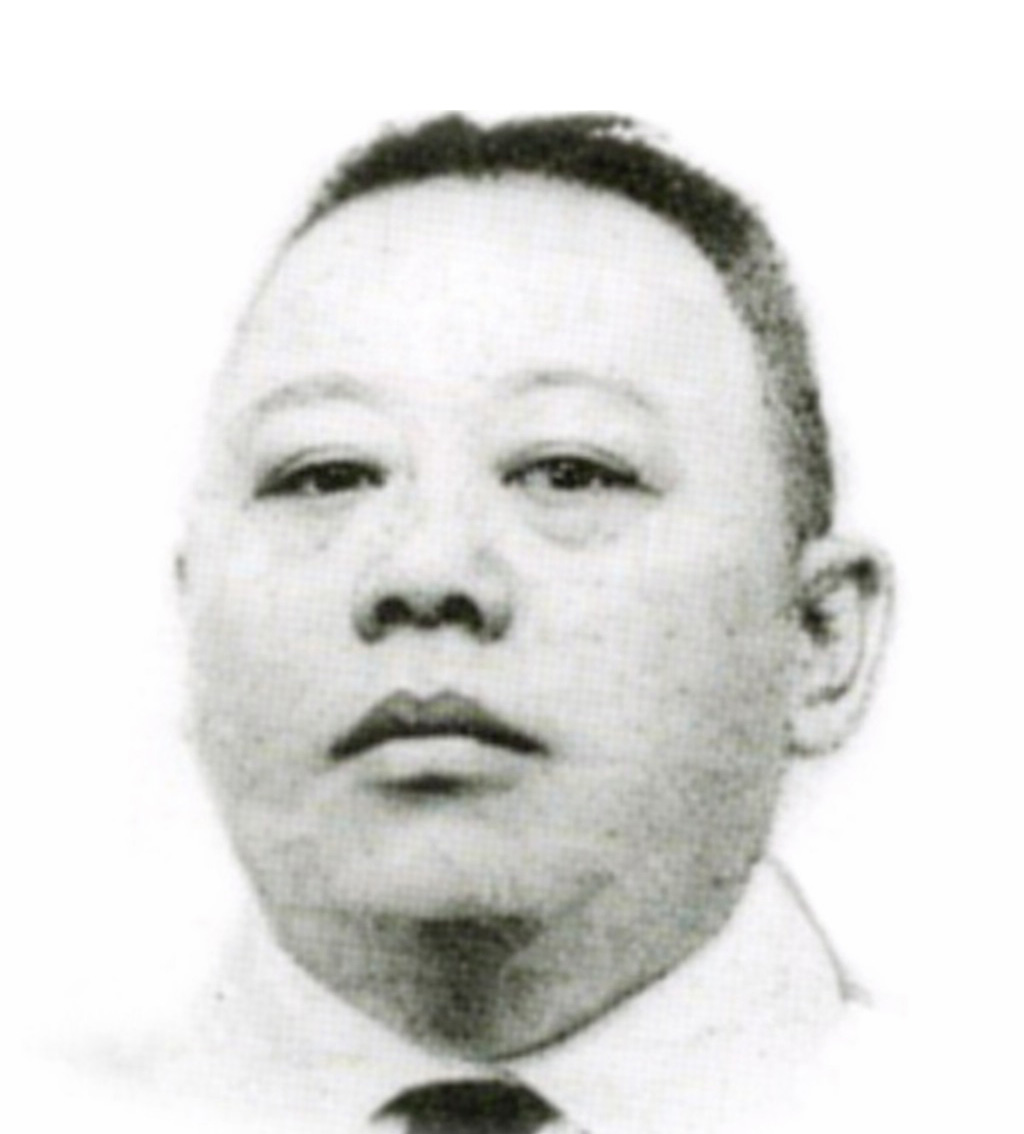
Portrait of Stephen Tann Kau Sai 陈高西

Stephen Tann Kau Sai 陈高西

Kapitan Cina of Tawau | Entrepreneur | War Martyr
1890s  -  30th July 1944

Early Life of Stephen Tann (陈高西)

Origins & Career

Stephen Tann Kau Sai was a Teochew Chinese who married Mary Rose Wong, a Hakka woman. He first worked as a customs clerk in Sandakan before being transferred to Tawau around 1911.

Entrepreneurship Begins

Resigned from government service and purchased 175 acres of land at Pasir Puteh in 1913. Planted coconuts and rubber, ran a liquor store from his home in Sin On, and managed Tawau's water supply distribution.

Community Leadership

Fluent in English and respected as a businessman, he became the unofficial leader of Tawau's Chinese community and was eventually recognized as Kapitan Cina for Tawau.
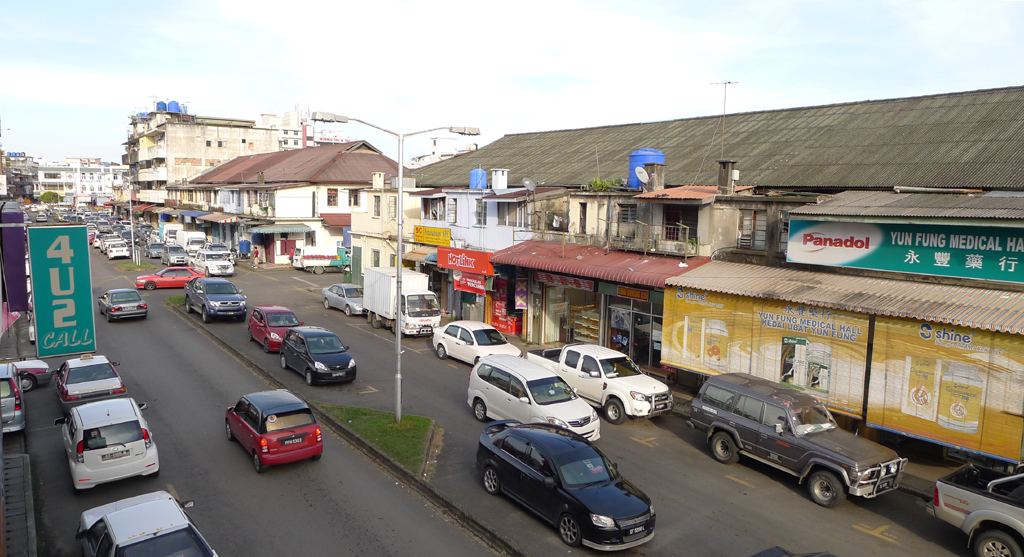
Tawau Society in the Early 20th Century

Multicultural Frontier Town

Tawau was a frontier town with Malays, Chinese, and indigenous groups living alongside colonial administrators.

Education & Religion: The Chinese community established schools to preserve language and culture. In 1922, the Roman Catholic Church built an English - medium primary school on Jalan Kuhara. Mosques and surau were widespread, reflecting Tawau's Muslim majority.

Colonial Administration: The District Office was headed by a British officer, supported by clerks and translators. OKK Abu Bakar (known in Chinese as Ji Kim Shui) was a respected local leader, bridging Malay and Chinese communities.

Chinese Leadership: The colonial system often appointed a Kapitan Cina (Chinese Captain) to represent the community. Stephen Tann was eventually recognized as Kapitan Cina for Tawau.
Japanese Occupation and Resistance

Wartime Resistance and Martyrdom

World War II Context: Japan invaded North Borneo in 1942, imposing strict rule and suspicion on local leaders.

Resistance Movement: In 1943, Tawau patriots secretly organized anti - Japanese activities, with Stephen Tann as their leader. Betrayed by collaborators, he was arrested along with eight others (seven men and one woman).

Execution: On 30 July 1944, they were executed by Japanese forces at Bukit Lalang, Mile 7, near the junction of Apas and Tinagat roads. The site became known among locals as "Massacre Hill" (杀人坡).

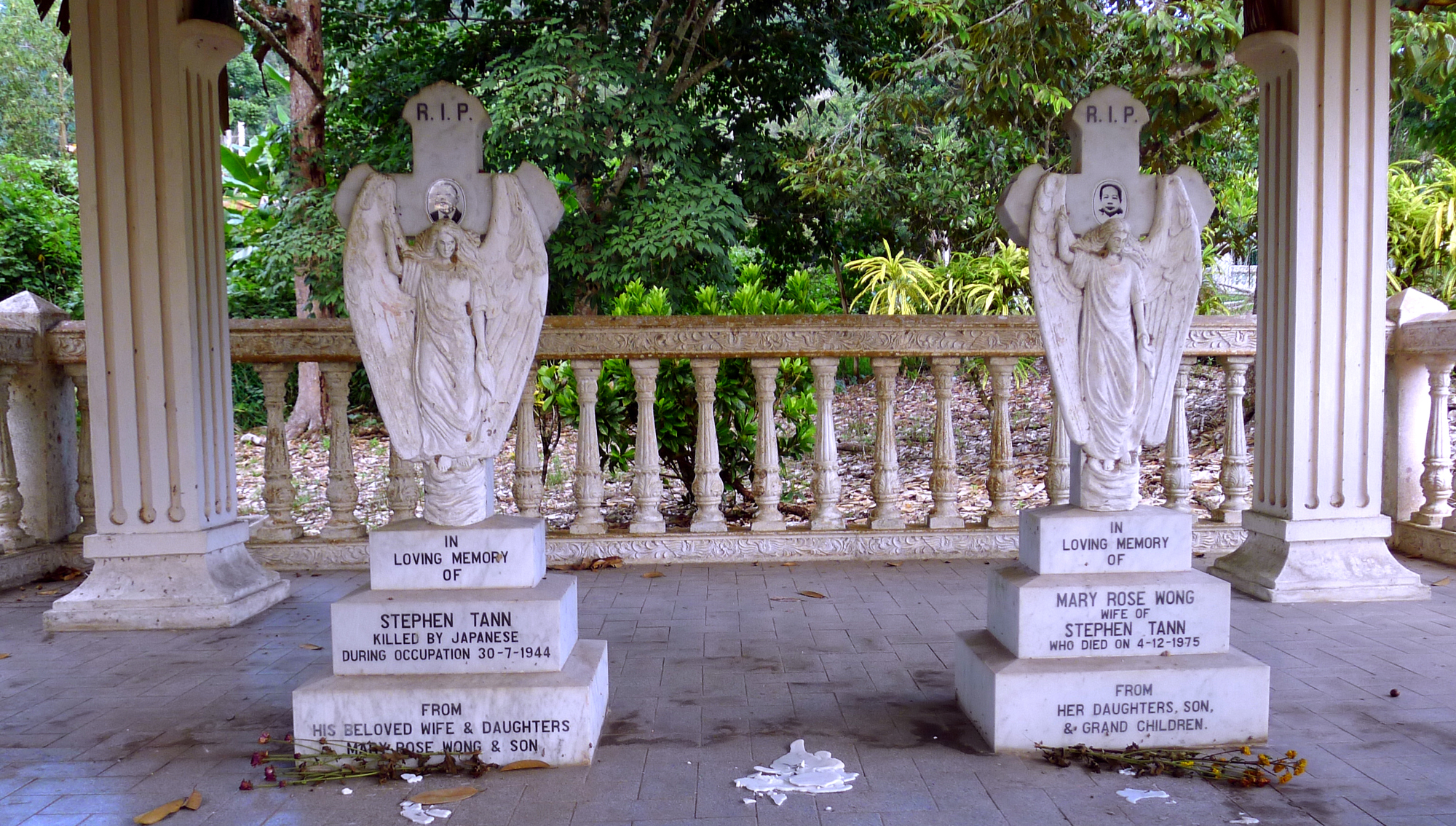
Burial: Stephen Tann's grave lies at Bukit Lalang, Mile 7, still remembered by Tawau's Chinese community.

Legacy and Commemoration

Street Naming

To honor his sacrifice, Tawau's Third Street was renamed Jalan Stephen Tan (史帝文陈街).

Memorial Monument

A monument dedicated to him stands at Kg. Pasir Putih, near SMK Pasir Putih Tawau.

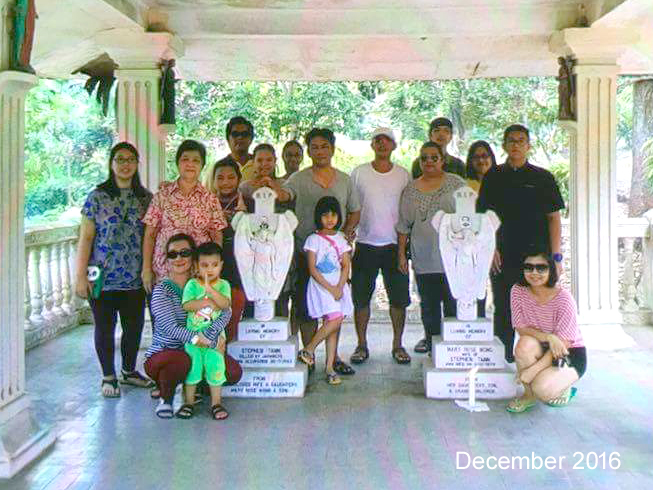
Stephen Tann family photo

Family Legacy

His wife, Mary Rose Wong, lived until 1975. Their daughters, Elizabeth and Josephine Tann, along with grandchildren, carried forward his memory.

Broader Historical Significance

Kapitan Cina Tradition

The Kapitan system was a colonial institution across Southeast Asia, appointing Chinese leaders to mediate between communities and colonial authorities. Other notable Kapitans in Sabah included Lim Wen Cheng (Sandakan), Wu Jin Shui (Menggatal), and Pan Hui Liang (Keningau).

Symbol of Unity: Stephen Tann's leadership and sacrifice symbolize the resilience of Tawau's multicultural society during wartime.

Modern Relevance: Jalan Stephen Tan today is not only a transport hub (home to Terminal Bas Tawau) but also a living reminder of Tawau's layered history - colonial governance, wartime struggle, and community solidarity.

Chronicle of Stephen Tann Kau Sai 陈高西

A poetic chronicle of the life of Kapitan Stephen Tann and Jalan Stephen Tan road.

Stephen Tann's journey

Stephen Tann's journey - from customs clerk to entrepreneur, Kapitan Cina, and ultimately martyr - mirrors Tawau's transformation from a frontier settlement into a multicultural town shaped by colonial rule and wartime resistance. Jalan Stephen Tan is more than a road; it is a memorial woven into Tawau's daily life, connecting buses, markets, schools, and the collective memory of sacrifice and resilience.