Tawau Hills Park: A Volcanic Rainforest Sanctuary
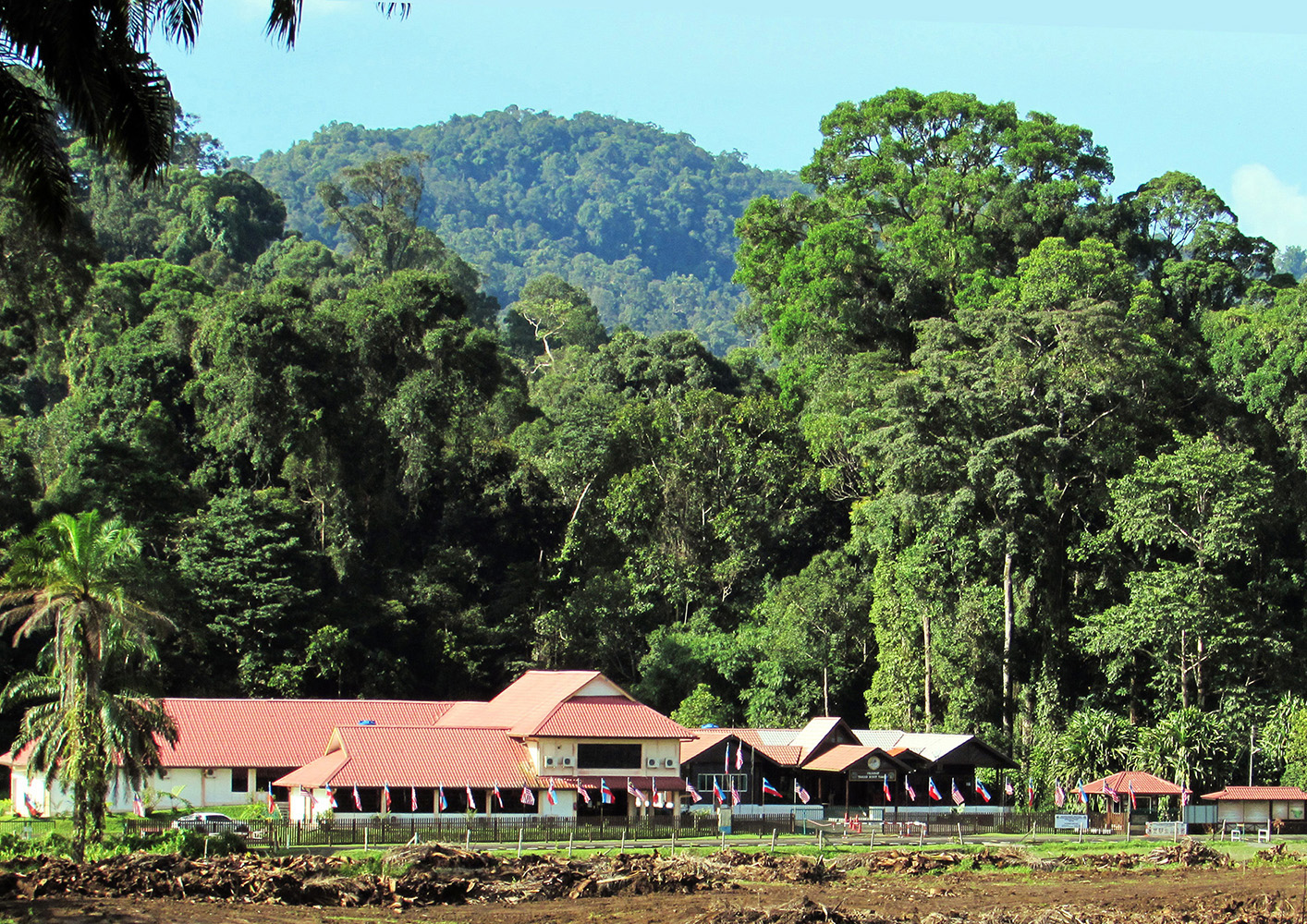
Tawau Hills Park is one of the most important inland protected areas in the Tawau region of Sabah, Malaysian Borneo. Located only a short distance from Tawau town, the park protects a large tract of forested hills, volcanic landscapes, and freshwater systems that play a critical role in supporting both biodiversity and human life in the surrounding lowlands.
Established to conserve forest ecosystems and safeguard water resources, Tawau Hills Park represents the natural backbone of inland Tawau. It is not only a refuge for wildlife, but also a living classroom where geology, ecology, and conservation intersect.
Key Features of Tawau Hills Park
Volcanic Geology
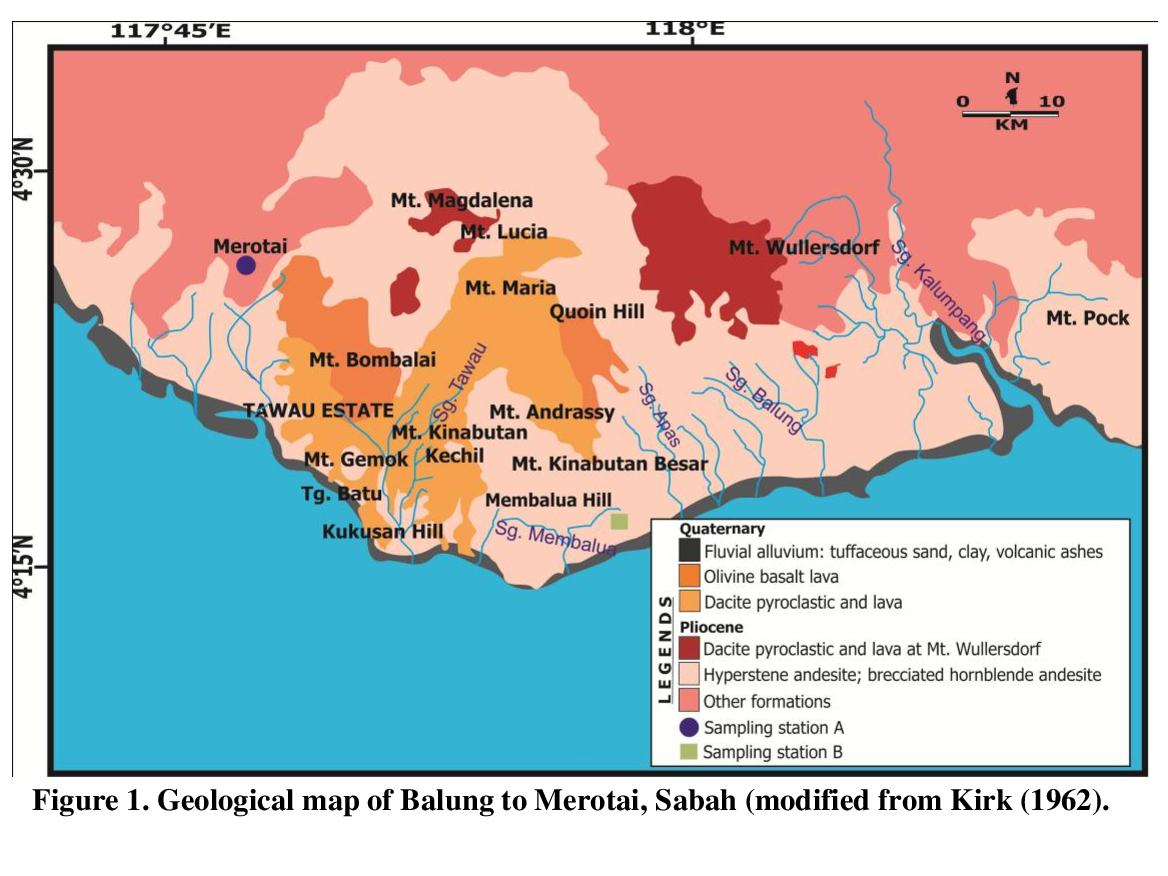
The park is part of a broader volcanic field that shaped much of eastern Sabah millions of years ago. Features include volcanic rock formations, natural hot springs, and waterfalls formed where streams cut through hardened volcanic layers.
Forest Ecosystems
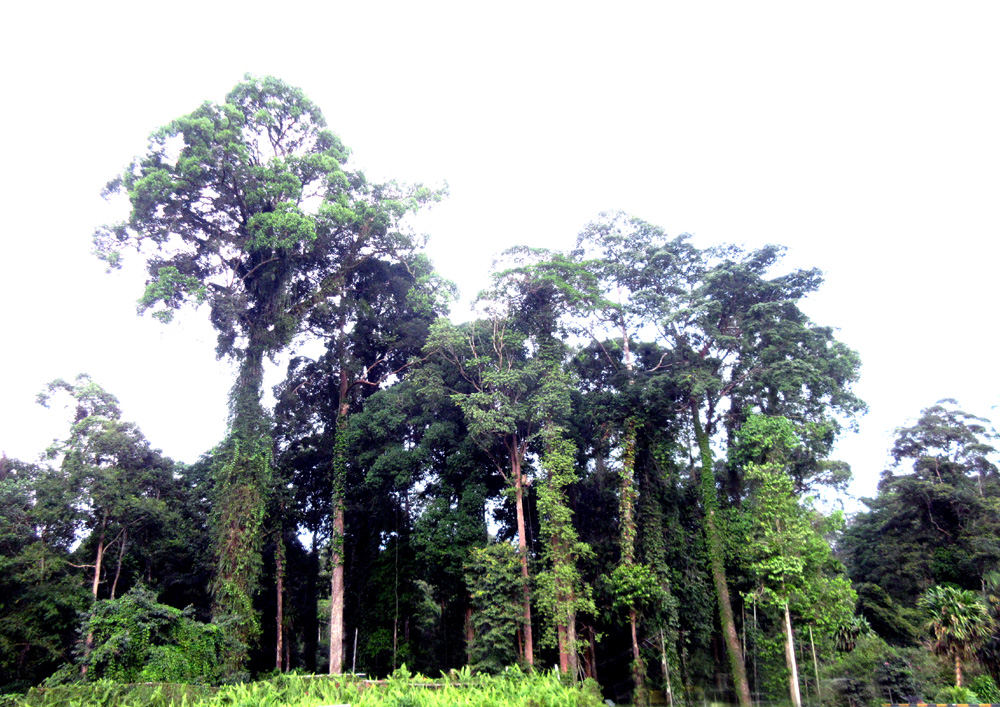
The park is dominated by lowland tropical rainforest, with gradual transitions toward hill and lower montane forest at higher elevations. These forests are dense, layered, and rich in plant diversity with towering dipterocarp trees.
Wildlife Sanctuary
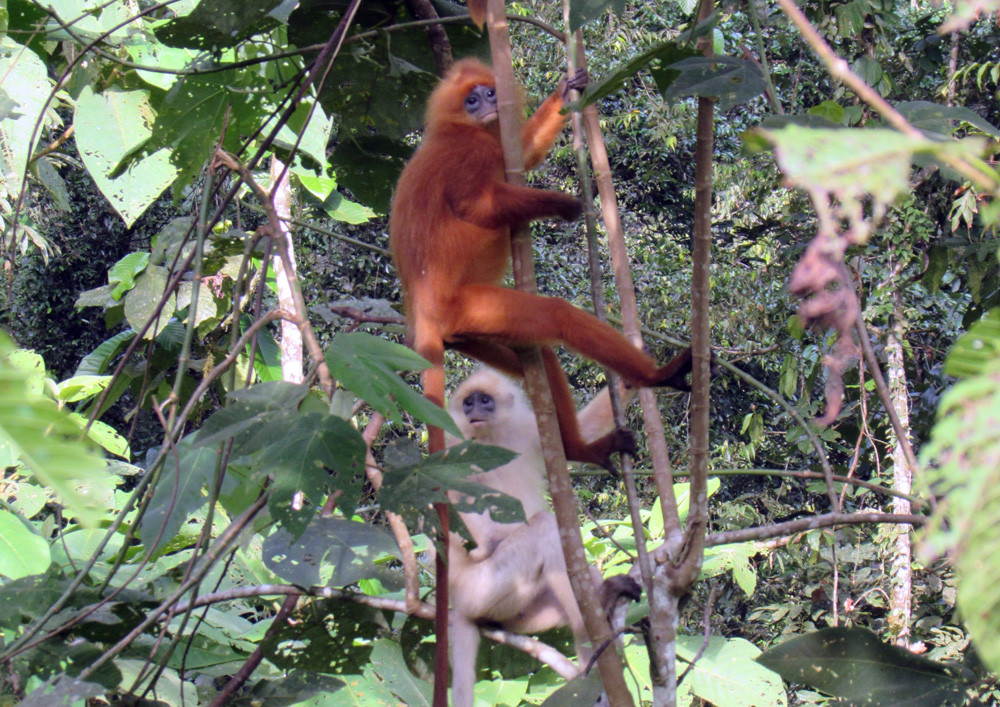
Serves as an inland refuge for many of Sabah's forest-dependent species including Malayan Sun Bears, Clouded Leopards, various hornbill species, primates, reptiles, amphibians, and countless insects.
What Makes Tawau Hills Park Unique
Volcanic Foundation
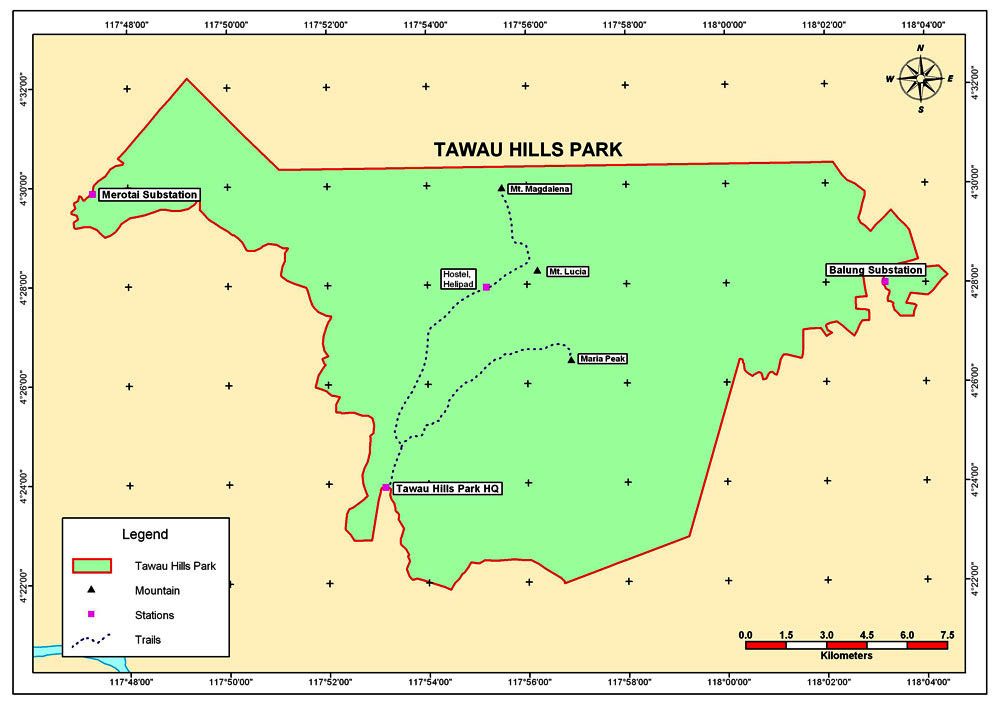
Sits on a rugged volcanic landscape featuring extinct volcanoes like Mt. Magdalena and Mt. Lucia, with natural sulfur hot springs and nutrient-rich soil.
World's Tallest Trees
Home to some of the world's tallest recorded tropical trees, specifically the Yellow Meranti, reaching heights of approximately 96.9 to 100.8 meters.
Water Catchment Hub
Acts as a vital water catchment for the Semporna Peninsula, with at least 7 major rivers originating here, supplying clean water to Tawau town.
Rare Flora & Endemics
The only place in Sabah (besides Tenom) where the Elephant-Ear Orchid is found, with over 150 species of orchids and carnivorous pitcher plants.
Conservation & Water Resources
Water Protection Role
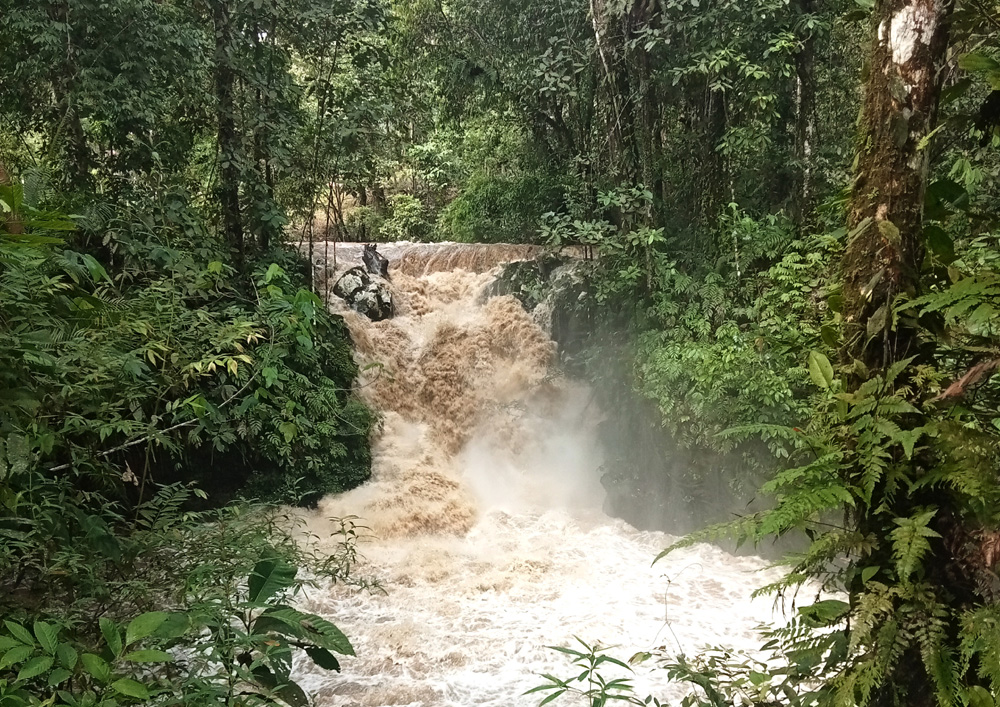
One of the most critical functions of Tawau Hills Park is water protection. Streams originating within the park supply clean water to surrounding areas, including Tawau town.
Healthy forest cover ensures stable water flow throughout the year, reduced sedimentation in rivers, and natural filtration of rainwater.
Conservation Value
Tawau Hills Park is protected to preserve both natural ecosystems and essential environmental services. Conservation priorities include preventing forest degradation, maintaining wildlife corridors, and promoting environmental education.
The park demonstrates how conservation benefits both nature and people.
Conservation Partners
1StopBorneo Wildlife
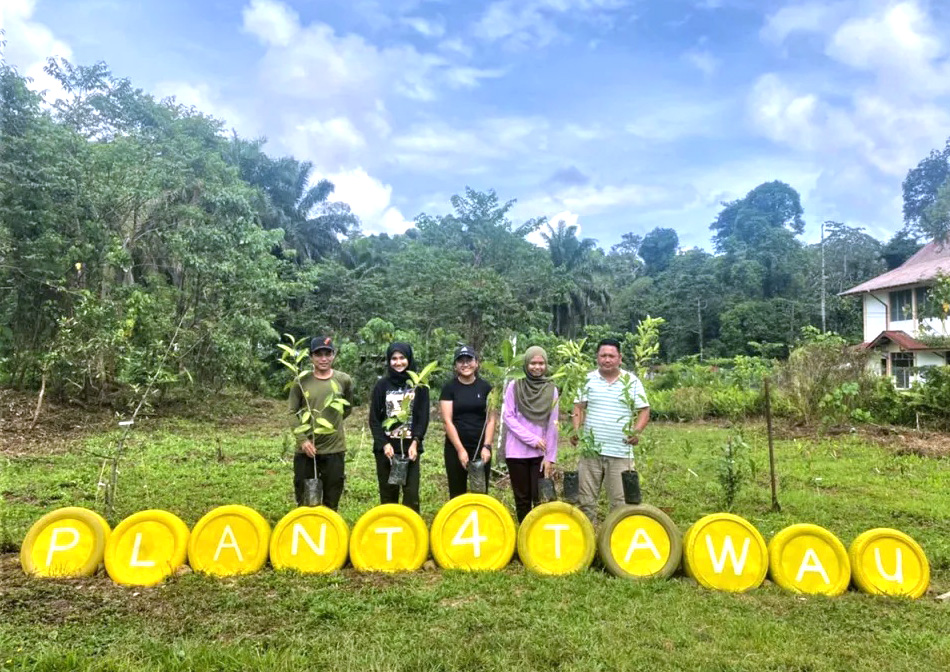
One of the most active local NGOs within Tawau Hills Park, spearheading reforestation initiatives, constructing feeding infrastructure for Red Leaf Monkeys, and publishing educational materials.
WWF-Malaysia
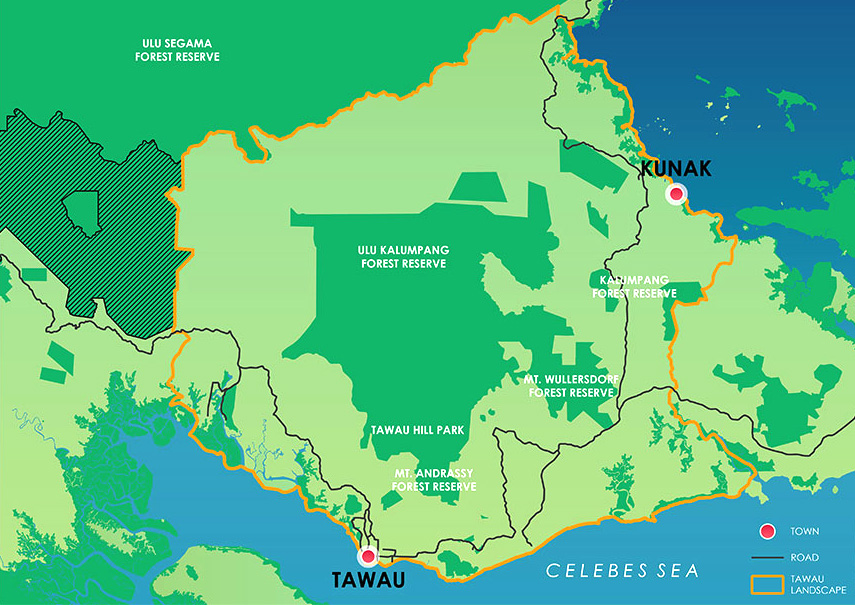
Manages the broader Tawau Landscape, using THP as its central hub. Their strategy focuses on protecting the park's core while restoring riparian reserves and ecological corridors.

Lions Club of Tawau
Provides funding and logistics for major reforestation events, including sponsoring trees, transport, and educational signage within the park.
BORA
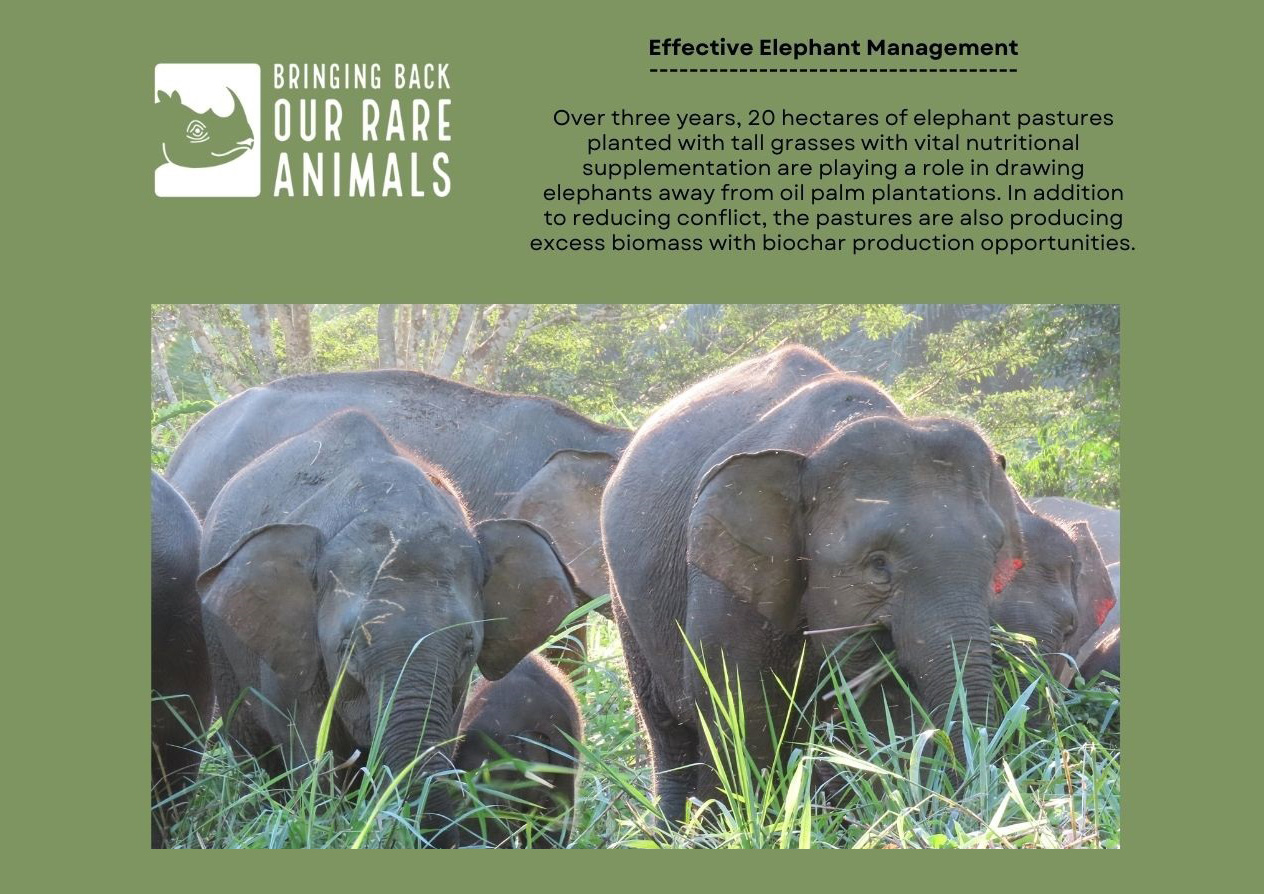
Bringing Back Our Rare Animals contributes healthy, high-quality saplings for reforestation projects to ensure a sustainable food supply for the park's rare mammals.
Location & Access
Getting There
Tawau Hills Park lies inland from the coastal plain of Tawau, rising gradually into forested hills and ridges. The terrain is shaped by ancient volcanic activity, resulting in a landscape of rolling hills, rocky outcrops, waterfalls, and geothermal features.
Distance from Tawau Airport: Approximately 45 km to 50 km from Tawau Airport (TWU).
Visitor Information
The park's elevation creates cooler and wetter conditions compared to nearby lowlands, allowing diverse forest types to thrive. These hills form a natural green barrier that protects the surrounding environment from erosion and flooding.
Best for: Researchers, students, and nature enthusiasts interested in geology, ecology, and conservation.
Google Map
Best for: Researchers, students, and nature enthusiasts interested in geology, ecology, and conservation.