Earth Figs of Borneo
Discover 6 soil-rooted fig species that grow independently without climbing or strangling adaptations, playing vital roles in forest clearings, riverbanks, and secondary growth habitats.
What Are Earth Figs?
Earth figs are Ficus species characterized by their soil-rooted growth habit. Unlike climbing or strangling figs, these species grow as independent small to medium-sized trees with single trunks, anchored firmly in the ground. They occupy unique ecological niches in open areas, forest clearings, and disturbed habitats where they don't compete directly with canopy trees for light.
Where to Find Them
Earth figs in Borneo are primarily found in open ground habitats including forest clearings, riverbanks, roadsides, and regenerating secondary forests. Species like Ficus malayana thrive in well-drained soils, while Ficus uncinata adapts to various soil types. Their grounded growth allows them to colonize areas where other vegetation is sparse or newly disturbed.
Ecological Significance
Earth figs serve as pioneer species in forest regeneration, quickly establishing in disturbed areas. They provide early food resources for wildlife and help stabilize soil. Their year-round fruiting supports diverse animal communities, and their accessible height makes them important for ground-foraging birds and small mammals that can't reach canopy fruits.
6 Earth Fig Species
Ficus beccarii
貝卡榕
Named after Italian botanist Odoardo Beccari. Small to medium tree (6-12m) often found on limestone outcrops. Produces small, clustered figs along branches. Leaves are elliptical with prominent lateral veins.
View Details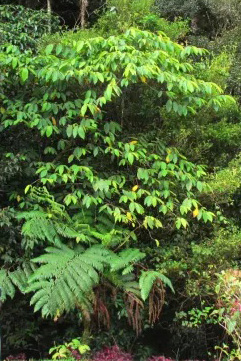
Ficus malayana
馬來榕
Common earth fig reaching 8-15 meters. Named for its distribution across the Malay Archipelago. Produces medium-sized figs directly on branches. Leaves are leathery with distinctive venation patterns.
View DetailsFicus megaleia
巨榕
Named for its large size among earth figs (10-18m). Characterized by exceptionally large leaves. Distribution in Borneo requires further documentation. Likely dioecious like most Ficus species.
View DetailsFicus tarennifolia
塔倫葉榕
Small earth fig (5-10m) named for its distinctive leaf shape resembling Tarenna species. Limited distribution in Borneo. Produces small, inconspicuous figs. Requires further botanical study.
View DetailsFicus treubii
特魯布榕
Named after Dutch botanist Melchior Treub. Medium-sized tree (6-12m) common in secondary forests and disturbed areas. Produces abundant small figs that attract numerous bird species. Leaves are variable in shape.
View DetailsFicus uncinata
鈎榕
Named for its hook-shaped stipules and sometimes leaf tips. Medium tree (7-14m) with distinctive growth habit. Produces clusters of small to medium figs. Commonly found along forest edges and riverbanks.
View DetailsFig Wasp Pollinators
Earth figs maintain the obligate mutualism with fig wasps characteristic of all Ficus species. Pollinator relationships for most earth figs remain undocumented, representing a significant research opportunity:
| Ficus Species | Pollinator Wasps | Non-Pollinator Wasps | Reproductive System |
|---|---|---|---|
| Ficus beccarii | Unknown | Unknown | Presumed dioecious |
| Ficus malayana | Unknown | Unknown | Dioecious |
| Ficus megaleia | Unknown | Unknown | Unknown |
| Ficus tarennifolia | Unknown | Unknown | Unknown |
| Ficus treubii | Unknown | Unknown | Dioecious |
| Ficus uncinata | Unknown | Unknown | Dioecious |
Research Opportunity in Earth Fig Pollination
Earth figs represent one of the least-studied groups in terms of fig-wasp mutualism. Their ground-level growth and often remote habitats have limited detailed pollination studies. Given their importance as pioneer species in forest regeneration, understanding their pollinator relationships could provide insights into ecosystem recovery processes and the role of mutualisms in habitat restoration.
Featured Earth Figs
Ficus malayana
Complete specimen showing characteristic growth form and leaf arrangement
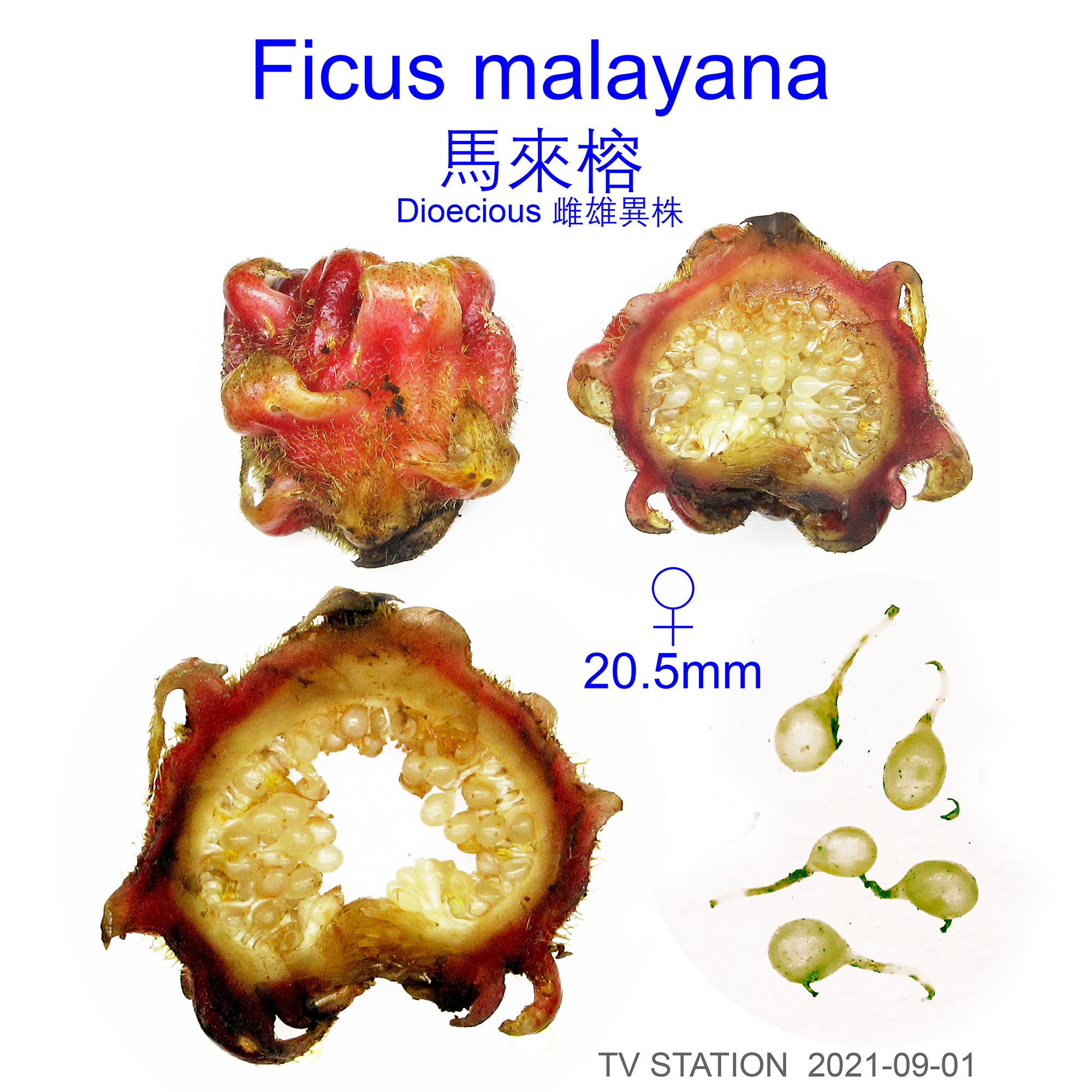
Ficus malayana Detail
Close-up showing leaf venation and fig attachment points

Earth Fig Habitat
Typical open ground habitat where earth figs establish and thrive
Limestone Adaptation
Some earth figs like Ficus beccarii specialize in limestone habitats
The Ground-Level Strategy
Why Grow on the Ground?
Earth figs (also called soil figs or ground figs) represent an ecological strategy distinct from climbing or epiphytic figs. By growing directly in soil with no climbing adaptations, they avoid competition with host trees and can colonize areas where other vegetation is sparse.
Evolutionary Advantages:
- Reduced Competition: Occupy open ground niches away from dense forest competition
- Resource Access: Direct access to soil nutrients without host tree intermediaries
- Early Establishment: Can colonize disturbed areas quickly as pioneer species
- Structural Independence: Don't depend on host trees for physical support
- Accessibility: Ground-level growth makes fruits accessible to terrestrial animals
Ecological Roles
Earth figs serve multiple functions in Borneo's ecosystems:
Ficus treubii is particularly important in secondary forest succession, providing early fruit resources that attract seed-dispersing animals. Ficus malayana serves as a food source for diverse bird communities in forest edge habitats.
Unique Characteristics
Soil-Rooted Growth
Unlike climbing or strangling figs, earth figs grow with single trunks anchored directly in soil. This independent growth form allows them to thrive in open areas without host tree dependencies.
Sun Adaptation
Most earth figs tolerate full sun exposure better than forest interior species. This adaptation allows them to colonize clearings, roadsides, and other open habitats where light levels are high.
Accessible Fruits
Fruits are produced at heights accessible to ground-foraging animals. This makes earth figs particularly important for terrestrial frugivores that can't access canopy fruits.
Rapid Growth
Many earth figs grow relatively quickly compared to forest interior species. This rapid growth allows them to establish quickly in disturbed areas and begin fruiting at younger ages.
Fascinating Facts
Underdocumented Diversity
Earth figs are among the least studied Ficus growth forms in Borneo. Their pollinator relationships, genetic diversity, and ecological roles remain poorly documented compared to more conspicuous stranglers and climbers.
Pioneer Role in Regeneration
Species like Ficus treubii and Ficus malayana play crucial roles in forest succession. By establishing quickly in disturbed areas, they create microhabitats that facilitate the establishment of other tree species.
Riparian Specialization
Several earth figs, particularly Ficus uncinata, specialize in riverbank habitats where their root systems help stabilize banks and their fruits provide food for both terrestrial and aquatic wildlife.
Conservation Significance
Despite their modest appearance, earth figs are ecologically important for maintaining animal communities in fragmented landscapes. They provide critical food resources in areas where forest canopy is disrupted.
Morphological Characteristics of Earth Figs
Growth Form
Earth figs typically grow as small to medium trees (5-18m) with single trunks and spreading crowns. Unlike shrubs, they maintain distinct tree architecture. Roots are non-climbing and form conventional soil-anchoring systems.
- Single trunk development
- Non-climbing root systems
- Spreading crown architecture
- Independent growth (no host needed)
Reproductive Features
Based on available data, most Bornean earth figs appear to be dioecious with separate male and female trees. Fruits are produced on branches and twigs, not on the main trunk. Leaf morphology varies significantly between species.
- Mostly dioecious reproduction
- Branch and twig fruiting
- Variable leaf size and shape
- Obligate fig wasp pollination
Identification Tip: When identifying earth figs, look for the combination of tree form (not climbing or strangling), soil-rooted growth (no aerial roots reaching for hosts), and fruits produced on branches rather than trunk. Habitat is also diagnostic - earth figs typically grow in open areas rather than dense forest interior.