Shrub-Type Ficus Trees of Borneo
Discover 11 remarkable shrub fig species that thrive in Borneo's rainforest understory, providing essential year-round food for wildlife and unique adaptations to shaded environments.
What Are Shrub-Type Figs?
Shrub-type figs are small to medium-sized Ficus species that grow as multi-stemmed bushes rather than tall trees. Typically under 10 meters tall, they have flexible stems, form dense bushy shapes, and often thrive in rocky areas or forest edges where larger trees cannot establish. Unlike strangler figs, they may climb on rocks or other plants but don't envelop their hosts.
Where to Find Them
Shrub figs in Borneo occupy diverse habitats: lowland rainforests (including Sarawak's peat swamps), limestone hills (notably in Mulu National Park), and montane forests (such as Mount Kinabalu's slopes up to 1,500m elevation). They're particularly successful in disturbed areas and forest gaps where their fast growth gives them a competitive advantage.
Ecological Importance
These small figs provide critical year-round fruit resources for birds, mammals, and insects. Their continuous fruiting pattern makes them "fast food" stops during seasonal fruit shortages. They also act as "nurse plants" for forest regeneration by stabilizing poor soils and creating microhabitats for other species to establish.
11 Shrub-Type Ficus Species
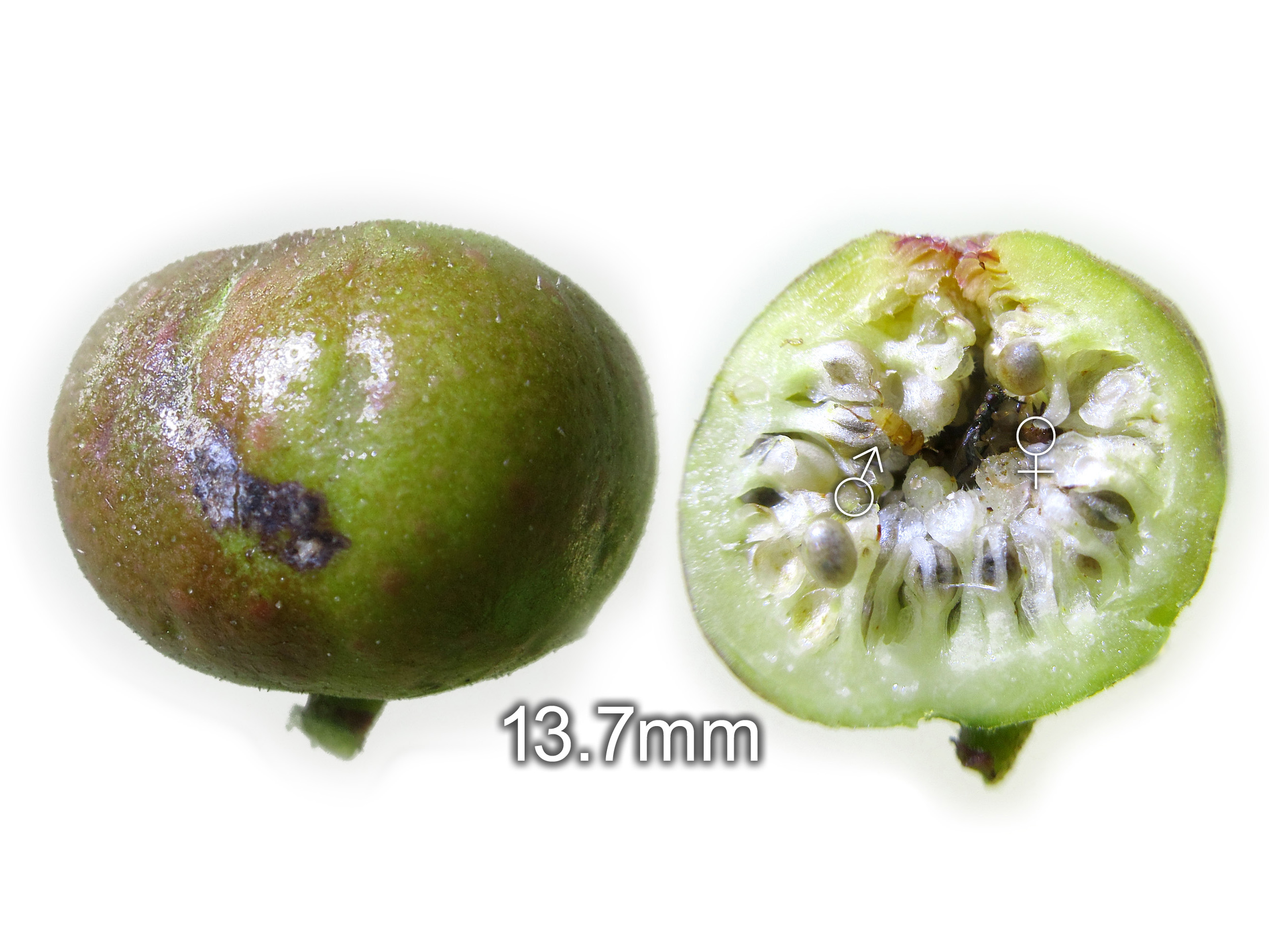
Ficus cumingii
绒毛榕
Small shrub with distinctive hairy leaves, commonly found in limestone areas. Known for its tolerance to dry, rocky conditions.
View Details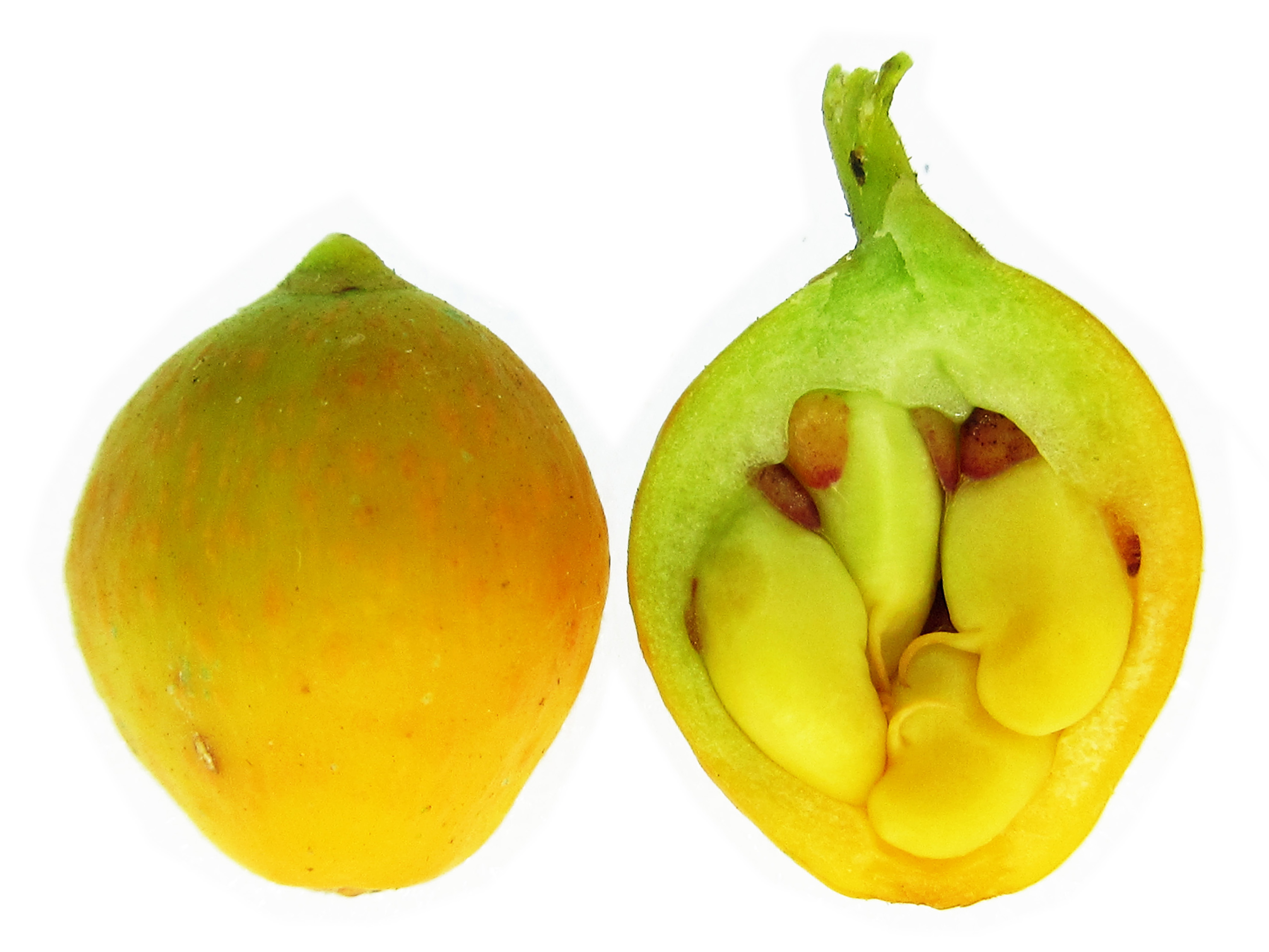
Ficus deltoidea
菱叶金卓叶
Mistletoe fig with distinctive triangular leaves. Widely used in traditional medicine across Southeast Asia.
View Details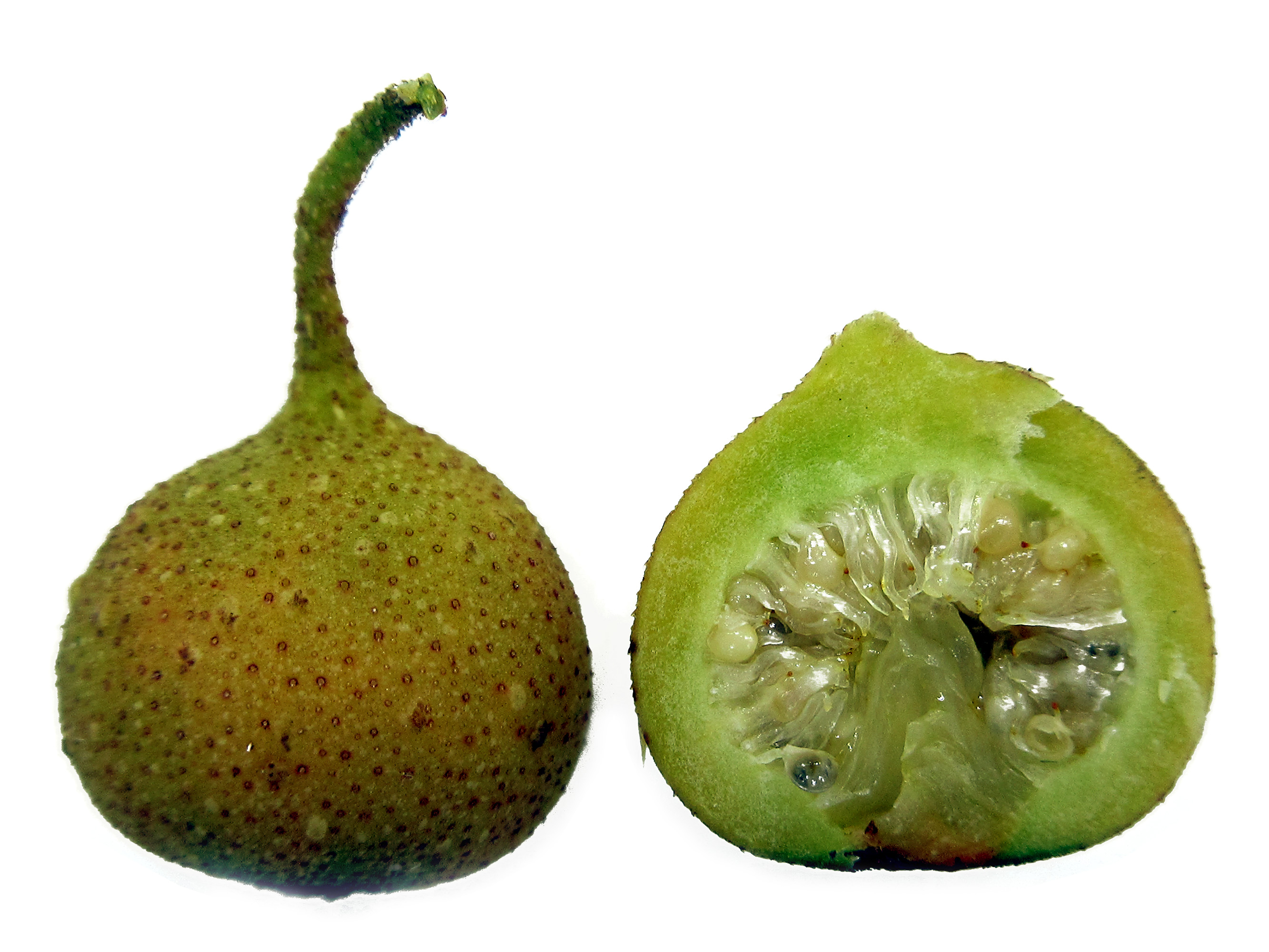
Ficus heteropleura
尾叶榕
Notable for its highly variable leaf shapes, often with elongated tips. Prefers limestone substrates.
View DetailsFicus inaequipetiolata
(无名)
Lesser-known shrub fig with asymmetrical leaf stalks. Found in limited distributions in Bornean forests.
View DetailsFicus midotis
(无名)
Compact shrub species typically found along forest margins and riverbanks in Borneo.
View Details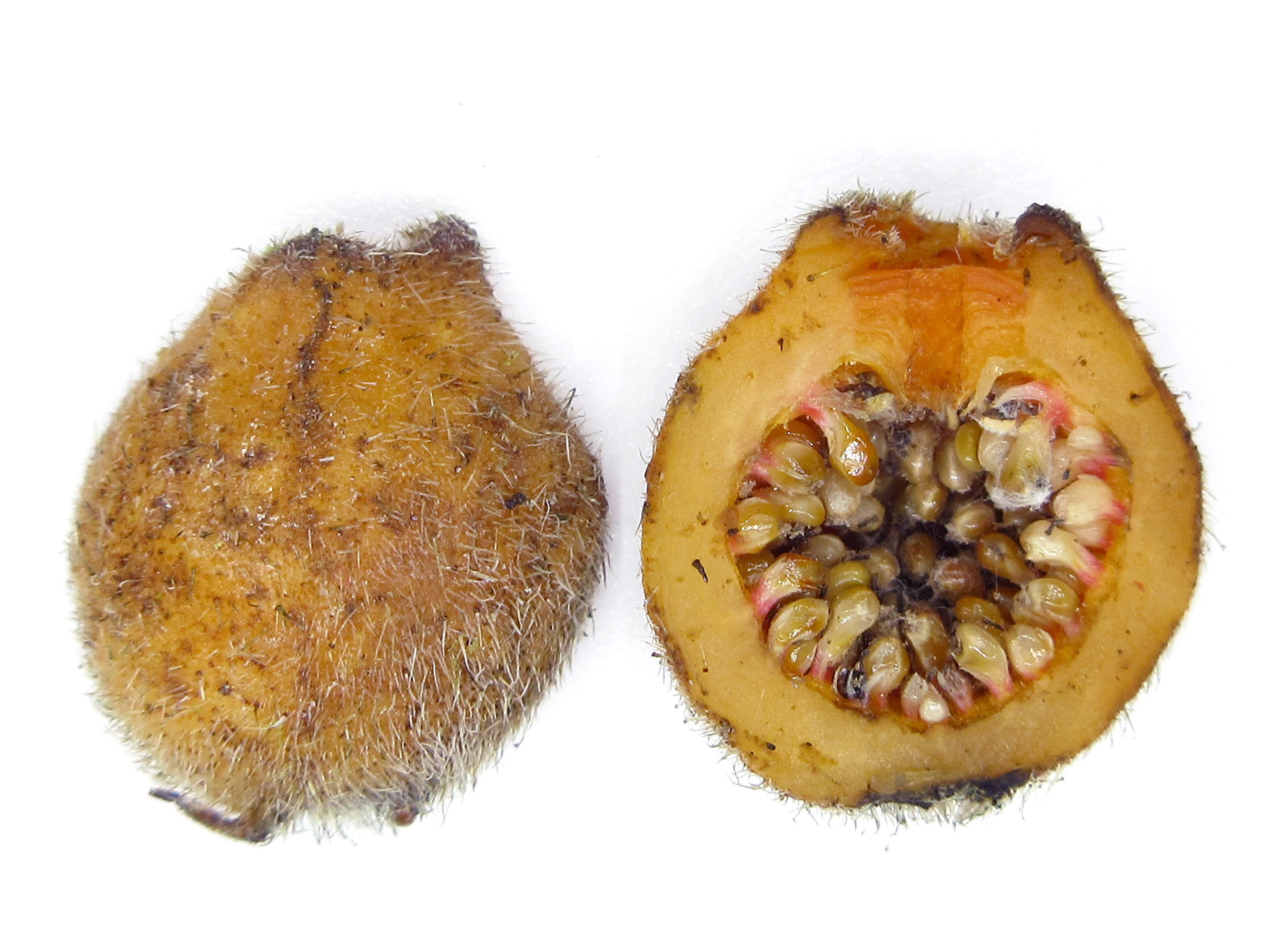
Ficus obscura
暗榕
"Dark fig" named for its preference for deeply shaded forest understory locations.
View DetailsFicus oleifolia
中间榕
Shrub with olive-like leaves containing aromatic oils. Often found in montane forest zones.
View Details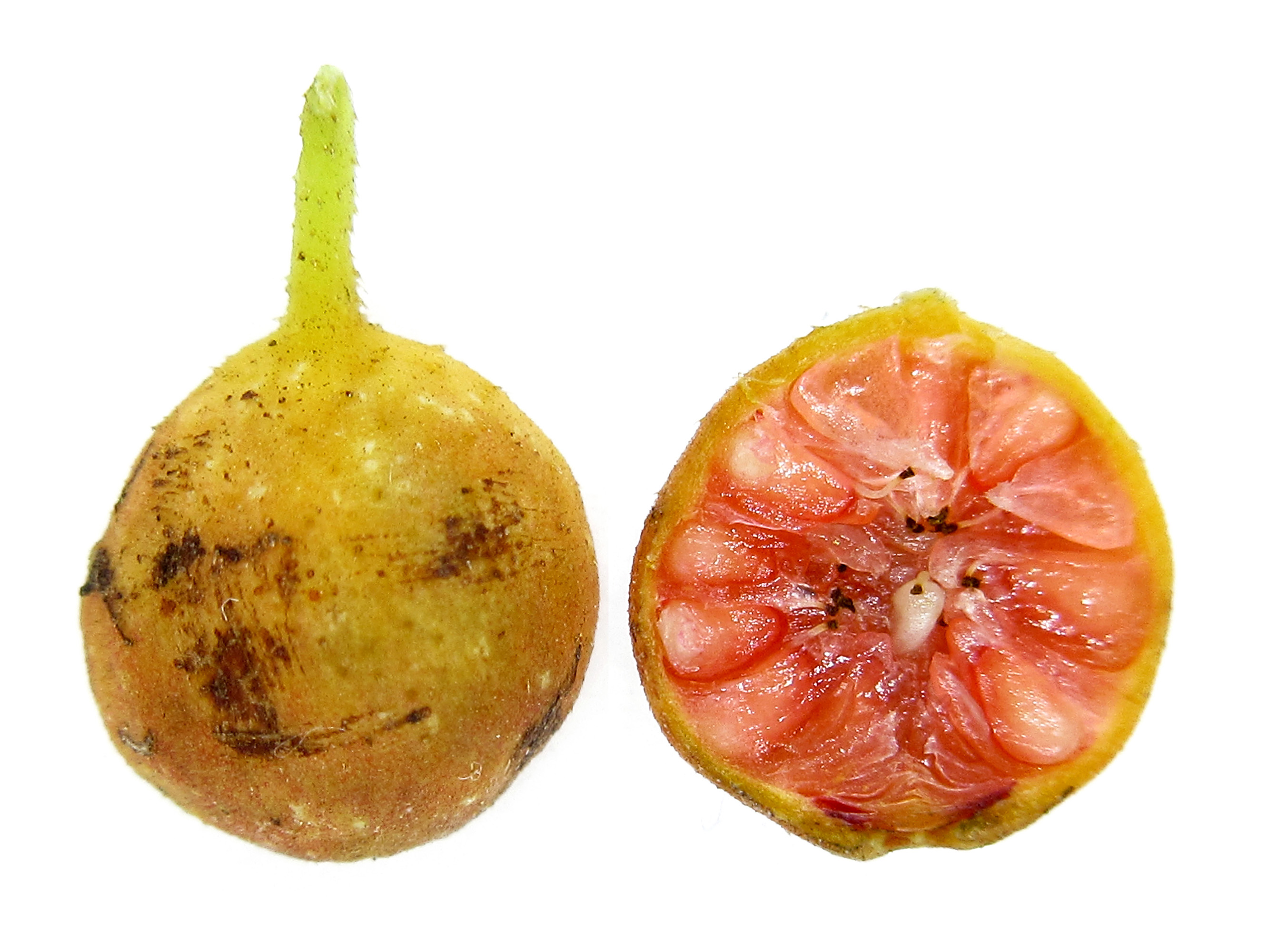
Ficus scaberrima
粗叶榕
Named for its exceptionally rough, sandpaper-like leaves. Fast-growing pioneer species.
View Details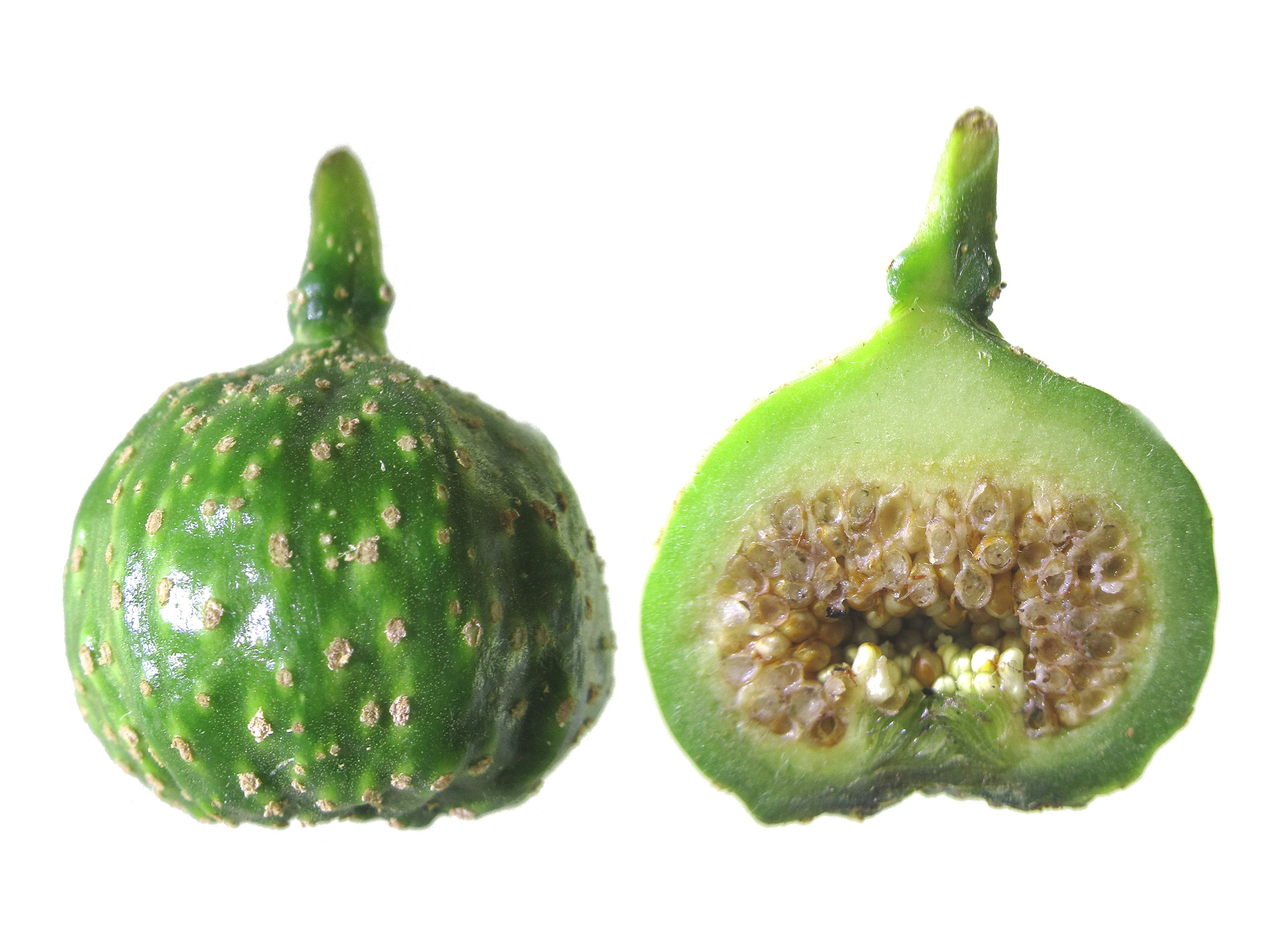
Ficus septica
稔果榕
Contains toxic latex but important for wildlife. One of the fastest-growing figs in disturbed forests.
View Details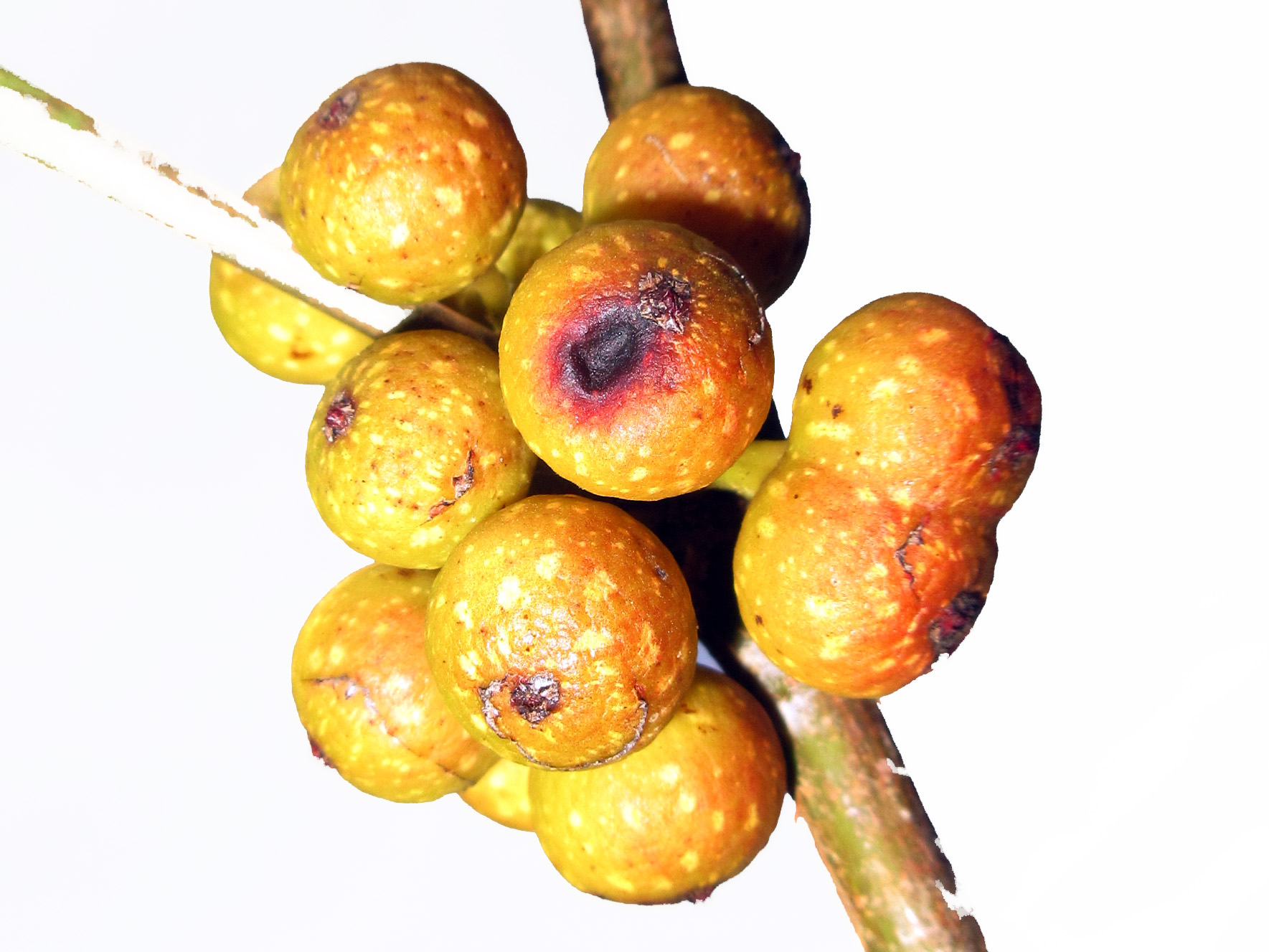
Ficus subulata
假斜叶榕
Versatile shrub that can grow as free-standing or climb on other vegetation. Highly adaptable.
View DetailsFicus sinuata
矩圆叶榕
Distinctive species with dramatically wavy-edged leaves that vary significantly in shape.
View DetailsHow Shrub Figs Compare
| Feature | Shrub Figs | Tall Tree Figs |
|---|---|---|
| Height | 1 - 10 meters | 15 - 40+ meters |
| Stem Structure | Multiple thin stems, bushy form | Single thick trunk, tall form |
| Growth Speed | Fast-growing (pioneer species) | Slow-growing (climax species) |
| Light Requirements | Tolerates shade, understory adapted | Requires full sunlight, canopy position |
| Root System | Shallow, spreading roots | Deep taproots or buttress roots |
| Fruit Production | High yield relative to size | Massive absolute yield |
| Habitat Preference | Forest edges, gaps, disturbed areas | Mature forest interiors |
| Ecological Role | Nurse plants, gap colonizers | Canopy structure, keystone resources |
Key Characteristics of Shrub Figs
Compact Size
Typically 1-10m tall with multiple stems rather than a single trunk. This compact form allows them to thrive in crowded understory conditions.
Variable Leaves
Exhibit remarkable leaf diversity within and between species. Some, like F. sinuata, show dramatic shape variations on the same plant.
Continuous Fruiting
Produce figs year-round, making them critical food sources during seasonal fruit shortages. High fruit-to-biomass ratio compared to larger figs.
Specialized Pollination
All are dioecious (separate male/female plants) with specific agaonid wasp pollinators that have co-evolved with each species.
Did You Know? Fascinating Facts
Productivity Champions
Relative to their size, shrub figs produce more fruit than larger fig trees. A single Ficus septica shrub can produce thousands of figs annually, providing essential food for numerous bird and mammal species.
Traditional Uses
Indigenous communities use shrub fig latex as natural glue and their rough leaves as sandpaper. Ficus deltoidea leaves are brewed into medicinal teas across Southeast Asia for various ailments.
Fast Regeneration
Shrub figs are among the first plants to colonize disturbed areas. Their rapid growth and continuous fruiting help accelerate forest recovery by attracting seed-dispersing animals.
Chemical Defenses
Many shrub figs contain toxic compounds in their latex. Ficus septica produces alkaloids that deter herbivores but have led to its use in traditional medicine for treating infections.
Conservation Status
Most shrub fig species in Borneo are not currently threatened due to their adaptability and wide distribution. However, specialized limestone species like Ficus heteropleura face habitat loss from quarrying. All shrub figs play crucial roles in forest regeneration and should be protected in conservation areas.